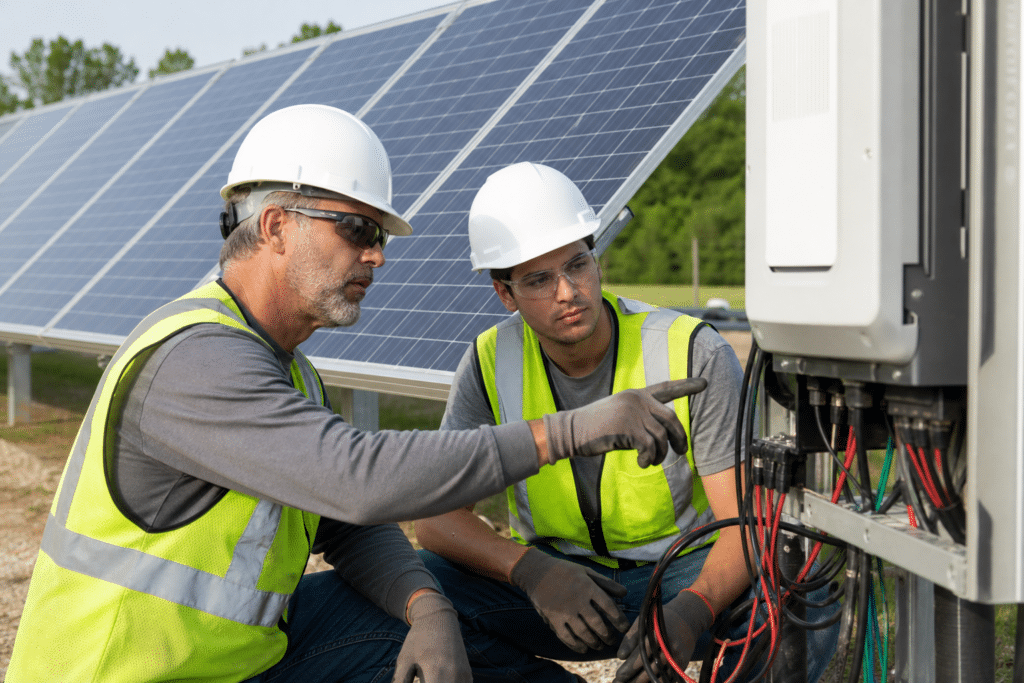
Solar Installer: Duties, Training, Certification and Career Fit
Learn what solar installers do, how PV training and certification work, what the career pays, and whether it fits after 40.
Explore career guidance
Browse practical career guides covering daily work, training routes, pay benchmarks, licensing, safety, and career fit after 35.
126 published guides
Learn what solar installers do, how PV training and certification work, what the career pays, and whether it fits after 40.
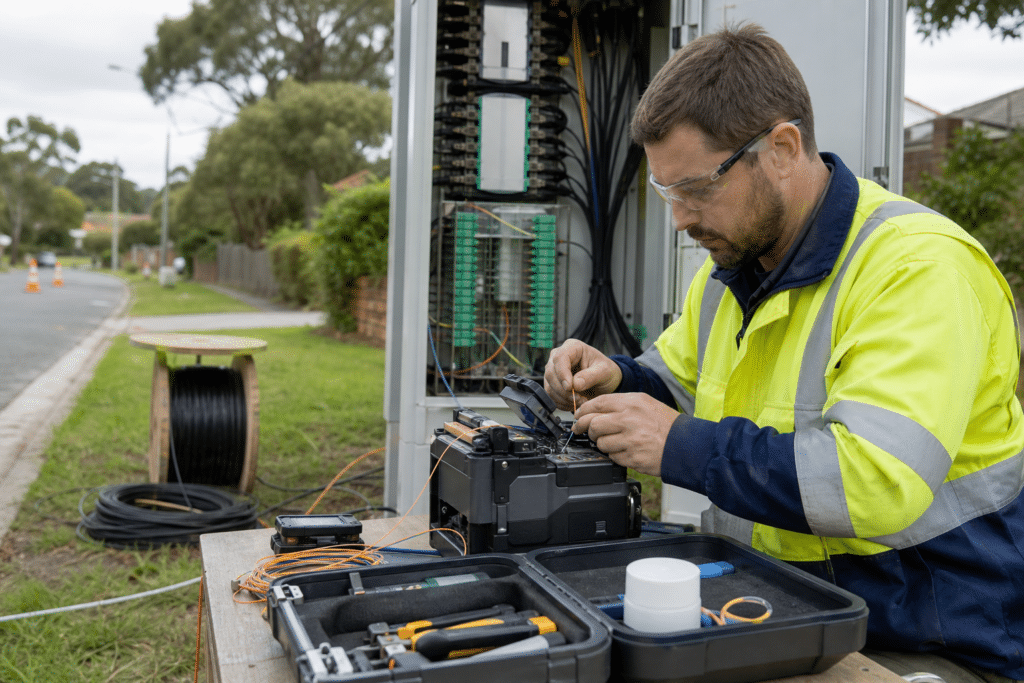
Learn what fiber optic technicians do, how training and CFOT certification work, what jobs pay, and whether the field fits after 40.
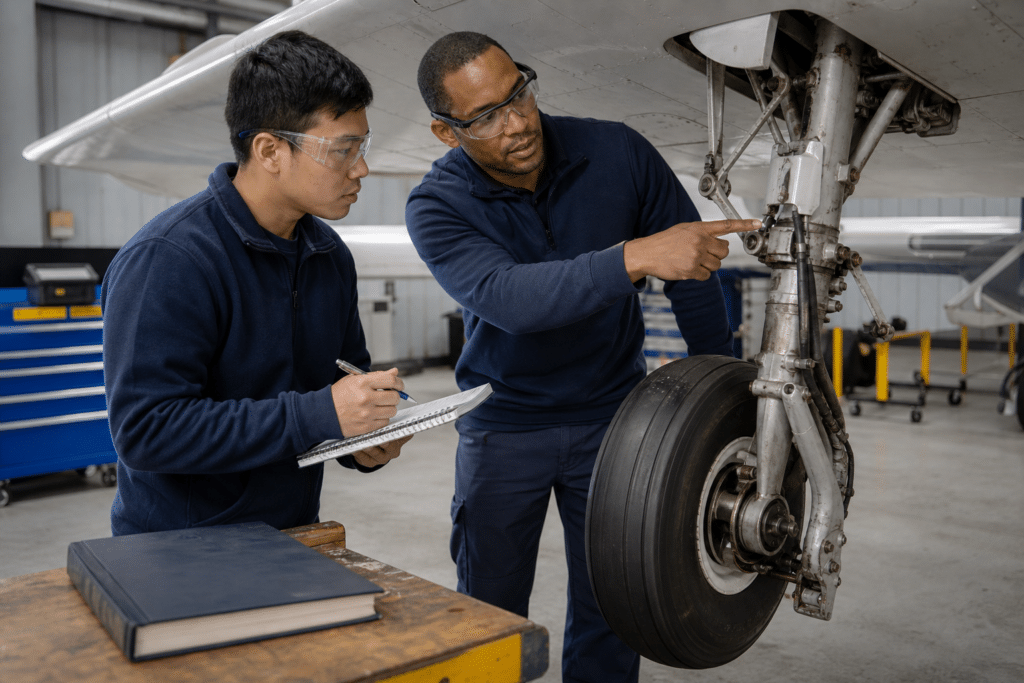
Learn what aircraft mechanics do, how FAA A&P training works, what schools and on-the-job routes involve, and whether the career fits after 40.
A railroad conductor coordinates a train crew and helps move freight or passengers safely over a railroad. The work combines operating rules, radio communication, paperwork, equipment checks, switching instructions, and coordination with the engineer, dispatcher, yard staff, and other crews. It is safety-critical transportation work with irregular schedules and long periods away from home for […]
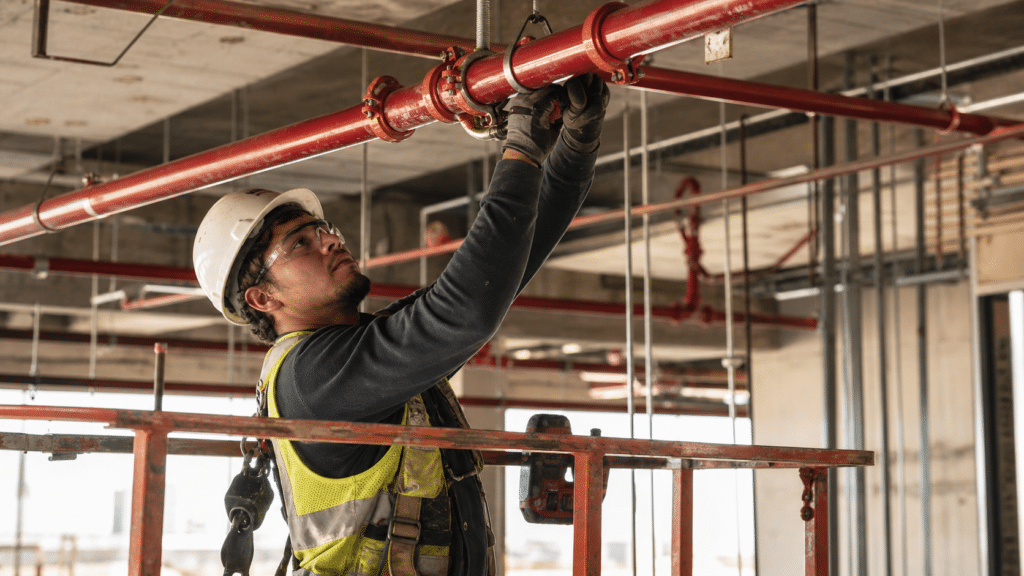
A fire sprinkler installer builds and services piping systems designed to release water when heat activates a sprinkler head. The work may include layout, pipe cutting, supports, fittings, valves, heads, testing, inspection corrections, and maintenance. It is often called sprinkler fitting and combines construction, mechanical work, lifting, and code-based installation details. The trade is often […]
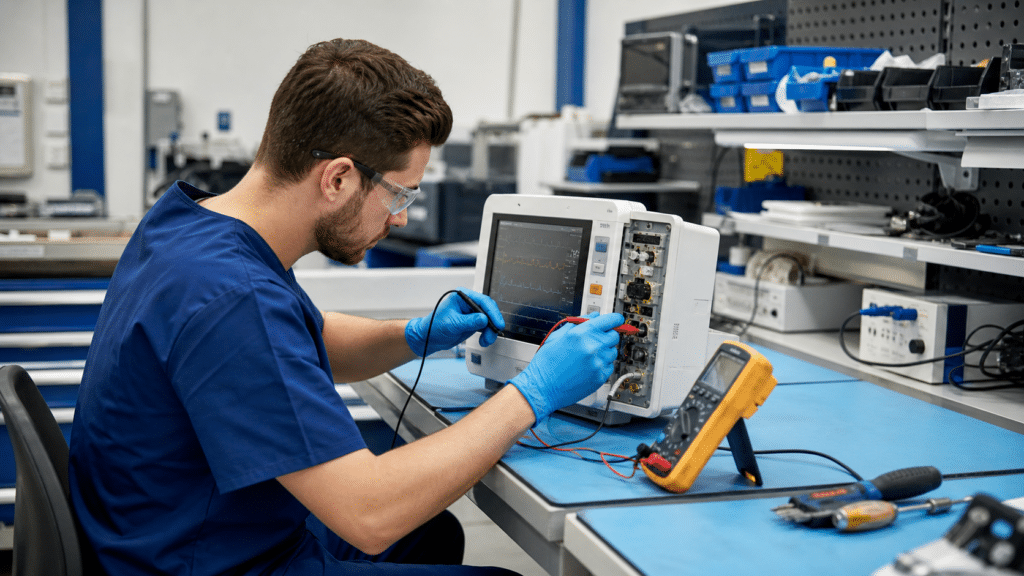
A medical equipment repairer keeps patient-care equipment working safely and reliably. The work can include installation, testing, calibration, preventive maintenance, troubleshooting, software updates, and repair records for equipment used in hospitals, clinics, laboratories, or home care. It is a technical healthcare career, not clinical care, so the role requires equipment knowledge, documentation, and careful communication […]
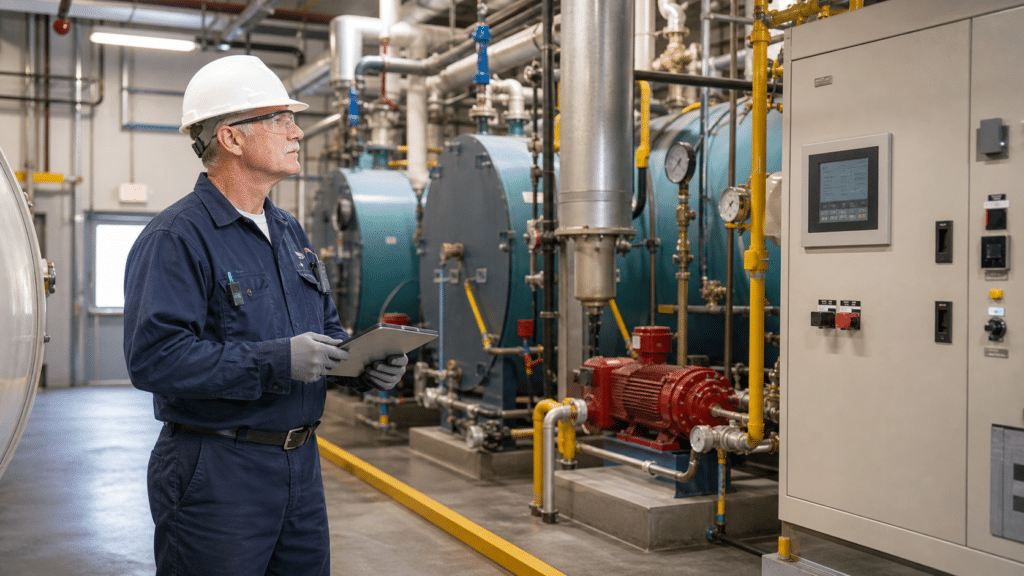
A stationary engineer operates and maintains the mechanical systems that keep a large building, plant, campus, or facility working. The job can involve boilers, chillers, pumps, compressors, generators, turbines, heating and cooling controls, and water or fuel systems. The title sounds like an engineering degree, but the work is generally hands-on and may require local […]
A power plant operator controls and monitors the equipment used to generate electricity. The work combines control-room attention with field rounds, equipment checks, operating procedures, and emergency response. It is a technical career, but it is not the same as being an electrician, engineer, or lineworker. The plant type and shift schedule shape the actual […]
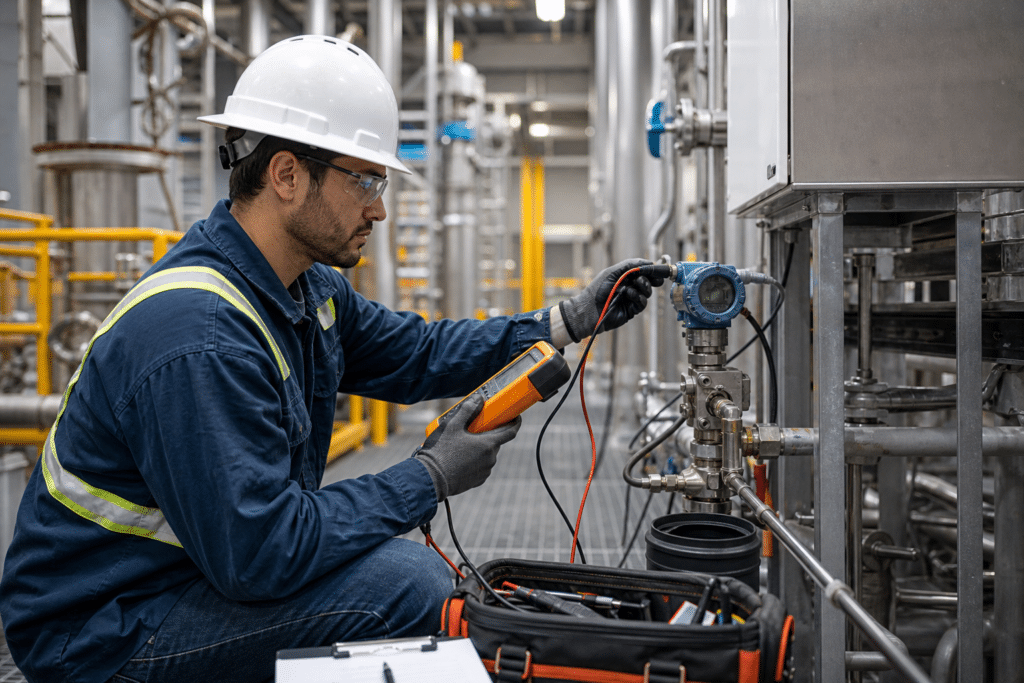
An instrumentation technician keeps measurement and control devices accurate enough for a plant or facility to run safely. The work may involve sensors, transmitters, control valves, wiring, calibration records, and troubleshooting a signal that does not match what the process is doing. The role sits between field equipment, electrical systems, and automated controls. The title […]
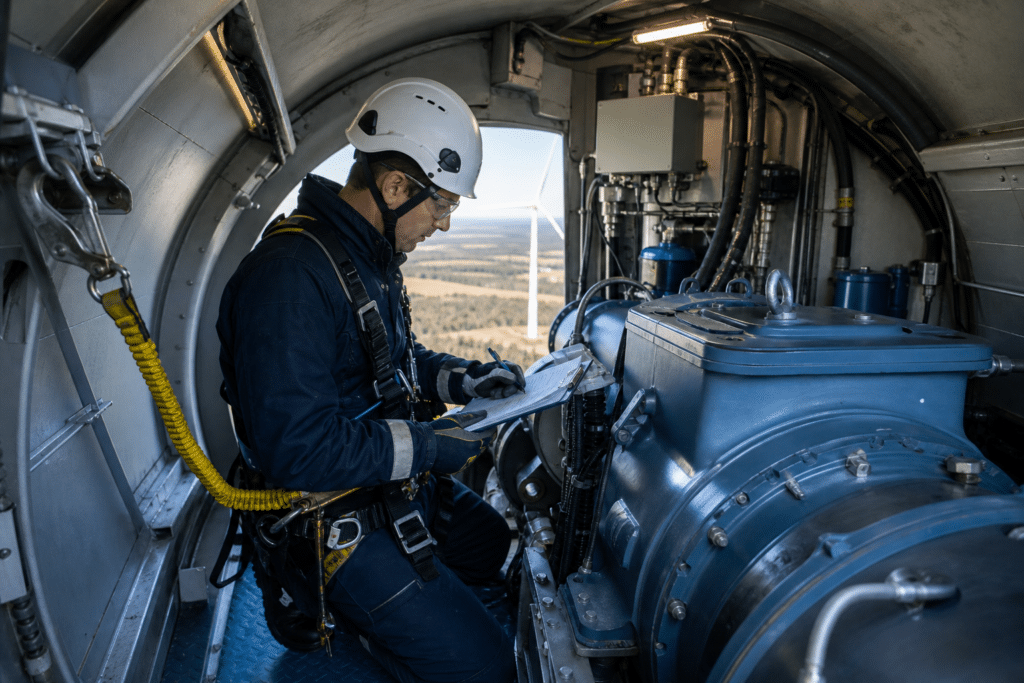
A wind turbine technician inspects, maintains, and repairs the equipment that converts wind into electricity. The work can take place at the base, inside the nacelle, or high on the tower, and it may involve mechanical systems, electrical testing, hydraulics, safety equipment, and detailed service records. Height, weather, travel, and rescue procedures are part of […]
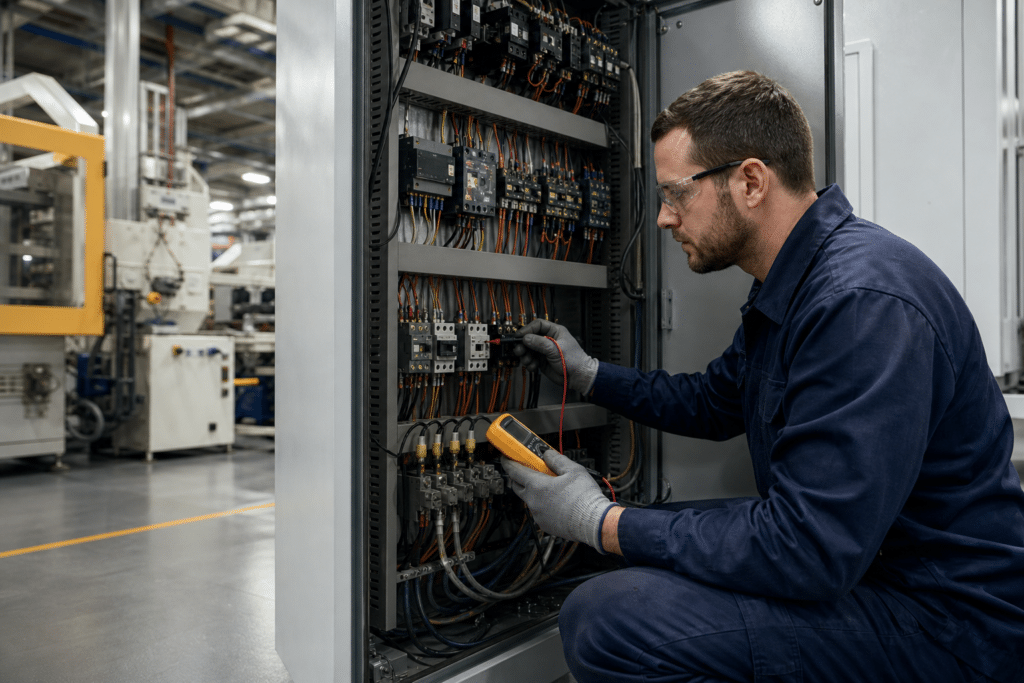
Learn what industrial electricians do, how training works, what skills employers seek, and how to judge the path after 40.
Learn how to become a diesel mechanic, compare school, on-the-job training and apprenticeships, and understand ASE certification, CDL needs and first-job expectations.