Practical career guidance for adults 35+ · U.S. launch edition Source-first

Energy Auditor: Duties, Training, Pay and Career Fit

An energy auditor examines a building or facility to find where energy is being used or lost. The work may include utility bills, insulation, HVAC equipment, lighting, air leakage, controls, and operating habits. A useful audit connects measurements to decisions the owner can actually make, including the cost, disruption, and likely benefit of each recommendation. […]
Read the guide

Occupational Safety Technician: Duties, Training, Pay and Career Fit

An occupational safety technician helps identify hazards, support inspections and training, maintain records, and follow corrective actions inside an established safety program. The work may involve measurements, equipment checks, incident documentation, job observations, and communication with supervisors or workers. It is a practical entry into safety work, but the technician must know when an issue […]

Read the guide

Water Quality Technician: Duties, Training, Pay and Career Fit

A water quality technician collects and tests samples to help answer whether water meets the required limits for its intended use. The work may take place at a treatment plant, laboratory, industrial site, river, construction project, or public-health program. The employer and sample type shape the job, but reliable collection, preservation, testing, and records are […]

Read the guide

Building Inspector: Duties, Training, Pay and Career Fit

A building inspector visits construction sites and existing properties to check whether work follows building codes, approved plans, and local requirements. The job combines field observation with office records and conversations about corrections. Depending on the inspection, the work may involve framing, structure, electrical, plumbing, energy, life safety, or finished details, so the local authority […]

Read the guide

Chemical Plant Operator: Duties, Training, Pay and Career Fit

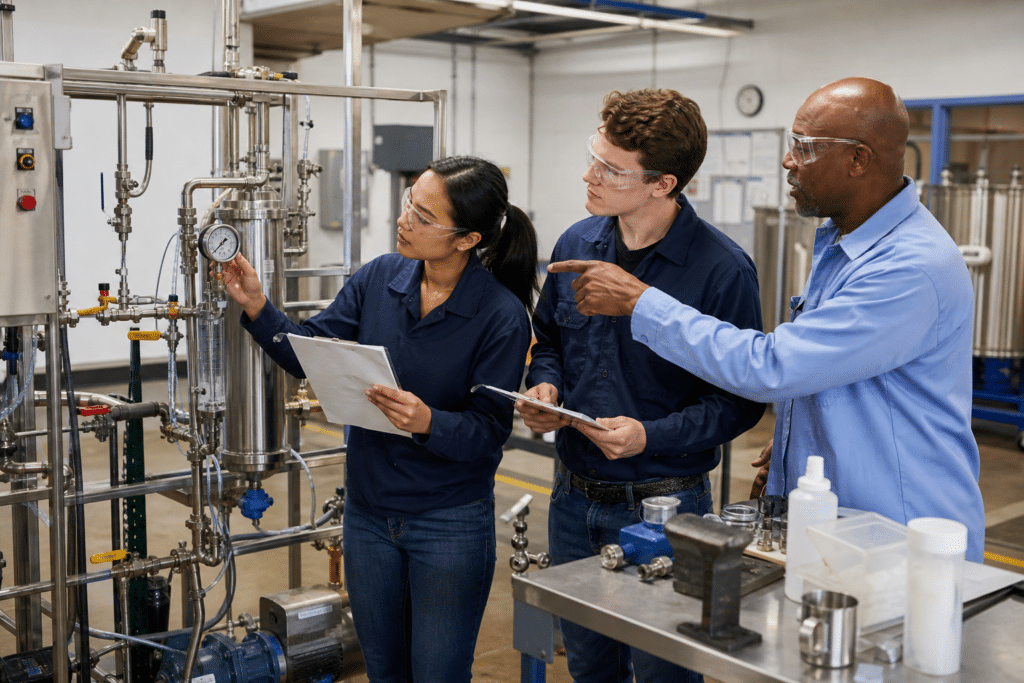
A chemical plant operator controls a process that turns raw materials into a product. The work may involve pumps, tanks, reactors, heat exchangers, control screens, samples, valves, and written procedures. Operators watch trends, make approved adjustments, and respond when the process moves outside normal conditions. The job requires technical focus, safety discipline, and comfort with […]

Read the guide

Drafting Technician: Duties, Training, Pay and Career Fit

A drafting technician uses CAD software to turn design information into drawings that other people can build from. The work may support construction, manufacturing, utilities, architecture, or engineering. Drafting is not simply tracing: the technician manages dimensions, layers, revisions, symbols, references, and the details that keep a drawing consistent with the project. What does a […]

Read the guide

Water Treatment Operator: Duties, Certification, Pay and Career Fit

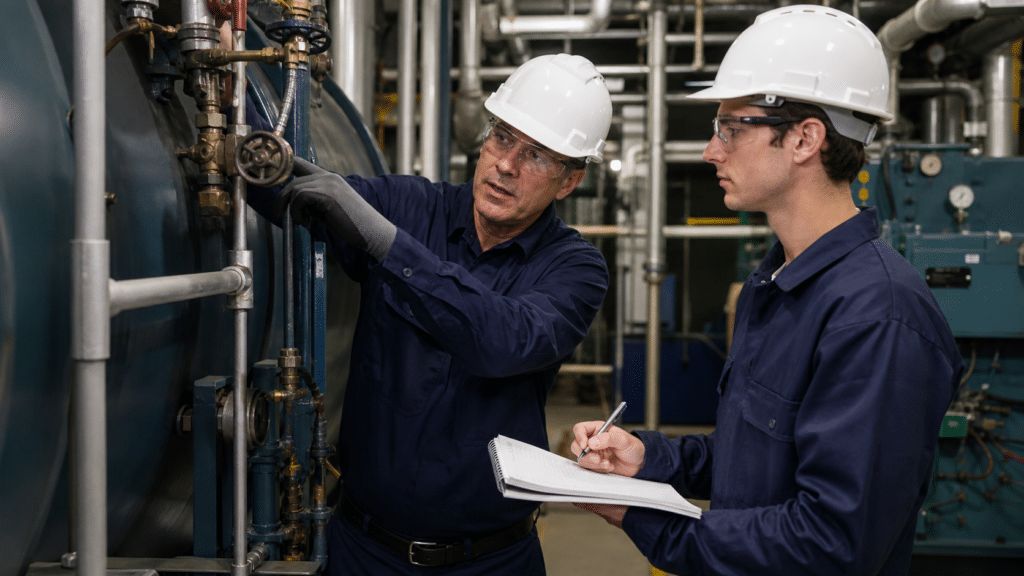
A water treatment operator manages the equipment and processes that make water usable or remove pollutants from wastewater. The work combines control screens, pumps, samples, chemicals, records, and rounds through a plant. It is public-service work, but the daily tasks are technical and hands-on, with certification and shift requirements that vary by state and facility. […]

Read the guide

CNC Programmer: Duties, Training, Pay and Career Fit

A CNC programmer turns a part drawing into instructions a computer-controlled machine can follow. The work sits between design and machining: the programmer chooses tools, plans cutting moves, accounts for material and tolerances, and helps prove out the job. The role suits someone who enjoys precision and problem solving, but it also requires respect for […]

Read the guide

Mechanical Technician: Duties, Training, Pay and Career Fit

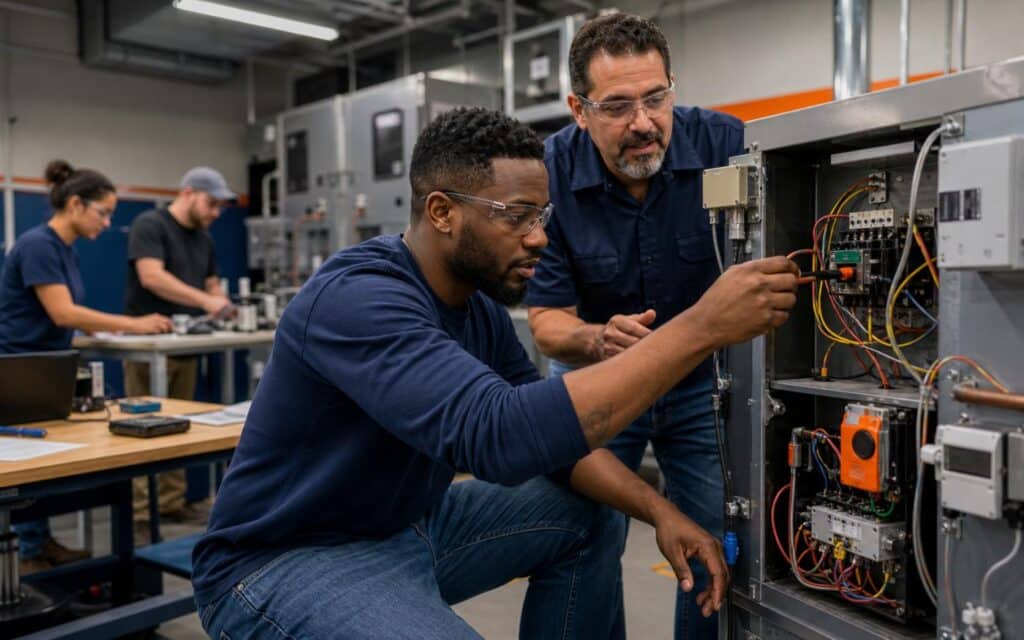
Mechanical technicians turn engineering plans into working parts, equipment, and test results. Depending on the employer, the job may sit in a test lab, factory, field-service team, or maintenance department. Because the title is broad, compare the actual machines, tools, measurements, drawings, and troubleshooting expectations instead of assuming every mechanical technician role is the same. […]

Read the guide

Industrial Engineering Technician: Duties, Training, Pay and Career Fit

An industrial engineering technician studies how work moves through a factory, warehouse, laboratory, or service operation. The work may involve observing processes, measuring time and materials, organizing production data, updating layouts, and helping test improvements. It is analytical work that stays close to the people and equipment doing the job, so listening carefully matters as […]

Read the guide

Biomedical Equipment Technician: Duties, Training, Pay and Career Fit

A biomedical equipment technician keeps patient-care equipment working safely in hospitals, clinics, laboratories, and home-care settings. The work may include inspection, preventive maintenance, calibration, troubleshooting, installation, vendor coordination, and service records. It is technical healthcare support, not patient care, but a missed fault can affect clinicians and patients who depend on the equipment. The job […]

Read the guide

Electronics Technician: Duties, Training, Pay and Career Fit

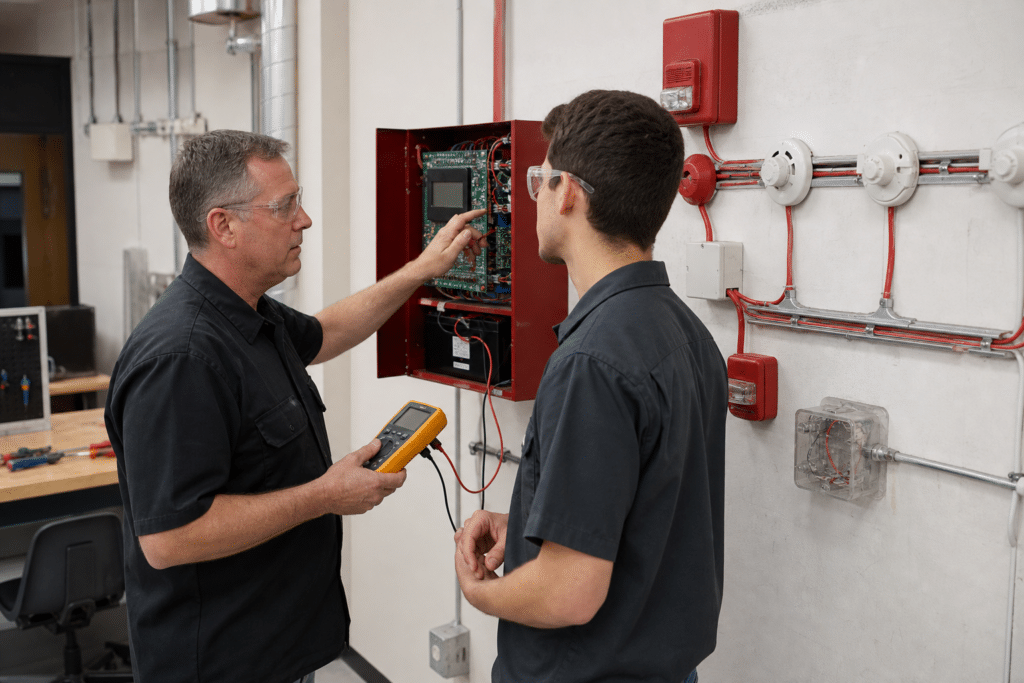
An electronics technician builds, tests, troubleshoots, or repairs electronic equipment. The job can be bench-based, production-based, field-based, or tied to a specialized system such as communications, industrial equipment, or aerospace. Because the title covers several levels of work, the circuit types, test instruments, documentation, and troubleshooting authority matter more than the title alone. That range […]

Read the guide