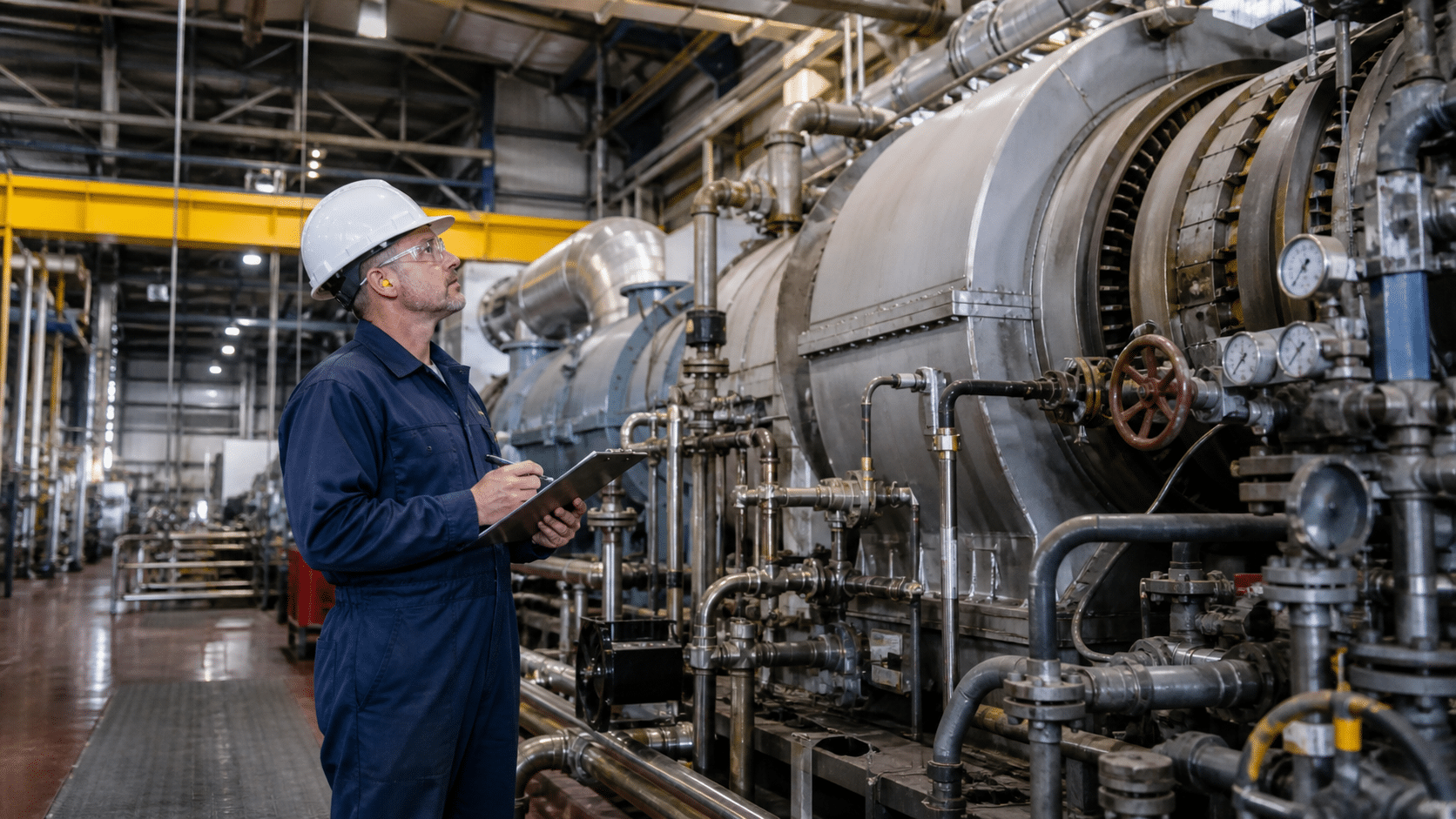
A water quality technician collects and tests samples to help answer whether water meets the required limits for its intended use. The work may take place at a treatment plant, laboratory, industrial site, river, construction project, or public-health program. The employer and sample type shape the job, but reliable collection, preservation, testing, and records are important in every setting.
What does a water quality technician do?
Daily tasks depend on the program, but may include:
| Task | Typical work |
|---|---|
| Sampling | Collect water from wells, rivers, pipes, tanks, or discharge points |
| Field checks | Measure temperature, pH, turbidity, conductivity, or dissolved oxygen |
| Laboratory work | Prepare samples, run tests, clean equipment, and record results |
| Chain of custody | Label, preserve, transport, and track samples correctly |
| Reporting | Enter data, flag unusual results, and prepare summaries |
| Follow-up | Return to a site or escalate a result for further investigation |
Accuracy matters more than dramatic fieldwork. A mislabeled bottle or late sample can make a result unusable. Good technicians follow the method, record what happened, and say when a result needs review.
How do you become a water quality technician?
The closest BLS benchmark is environmental science and protection technicians. The BLS says these workers typically need an associate degree, although requirements range from a high school diploma to a bachelor’s degree depending on the position.
Useful study includes chemistry, biology, environmental science, statistics, laboratory methods, spreadsheets, and technical writing. Experience in environmental technician work, water treatment, wastewater, laboratory operations, or quality control may transfer.
Do not assume a water quality technician can operate a treatment plant. Operator licensing and laboratory credentials are separate questions. Read the posting and check the relevant state or agency rules.
Is the work mainly field or laboratory based?
It can be either. A field technician may drive between sites, carry equipment, work outdoors, and sample in heat, cold, mud, or rain. A laboratory technician may spend more time at a bench, following controlled methods and maintaining records. Some jobs split the week between both settings.
Employers may require protective clothing, eye protection, gloves, respirators, or safety training for chemicals and contaminated sites. Follow the employer’s procedures and never treat an environmental sample as harmless simply because it looks clean.
Water quality technician pay and outlook
The BLS reports a median annual wage of $55,090 for environmental science and protection technicians in May 2025. It projects 7% growth from 2025 to 2035, with about 5,300 openings per year. This is a benchmark for the broader occupation, not a salary promise for every water quality technician posting.
Pay varies with laboratory certification, public or private employment, travel, industry, geographic area, and whether the work includes compliance investigations or specialized analysis.
Is it a good second career after 40?
The path may suit someone who wants practical science without becoming a research scientist. Previous work in healthcare laboratories, manufacturing quality, water operations, agriculture, construction, or facilities can provide relevant habits. You will need to be comfortable with records, repeatable methods, and occasional field conditions.
Before choosing a program, search for local postings and note the required degree, tests, software, driving, schedule, and physical demands. A short course may help, but employers still need evidence that you can sample carefully and document the result.
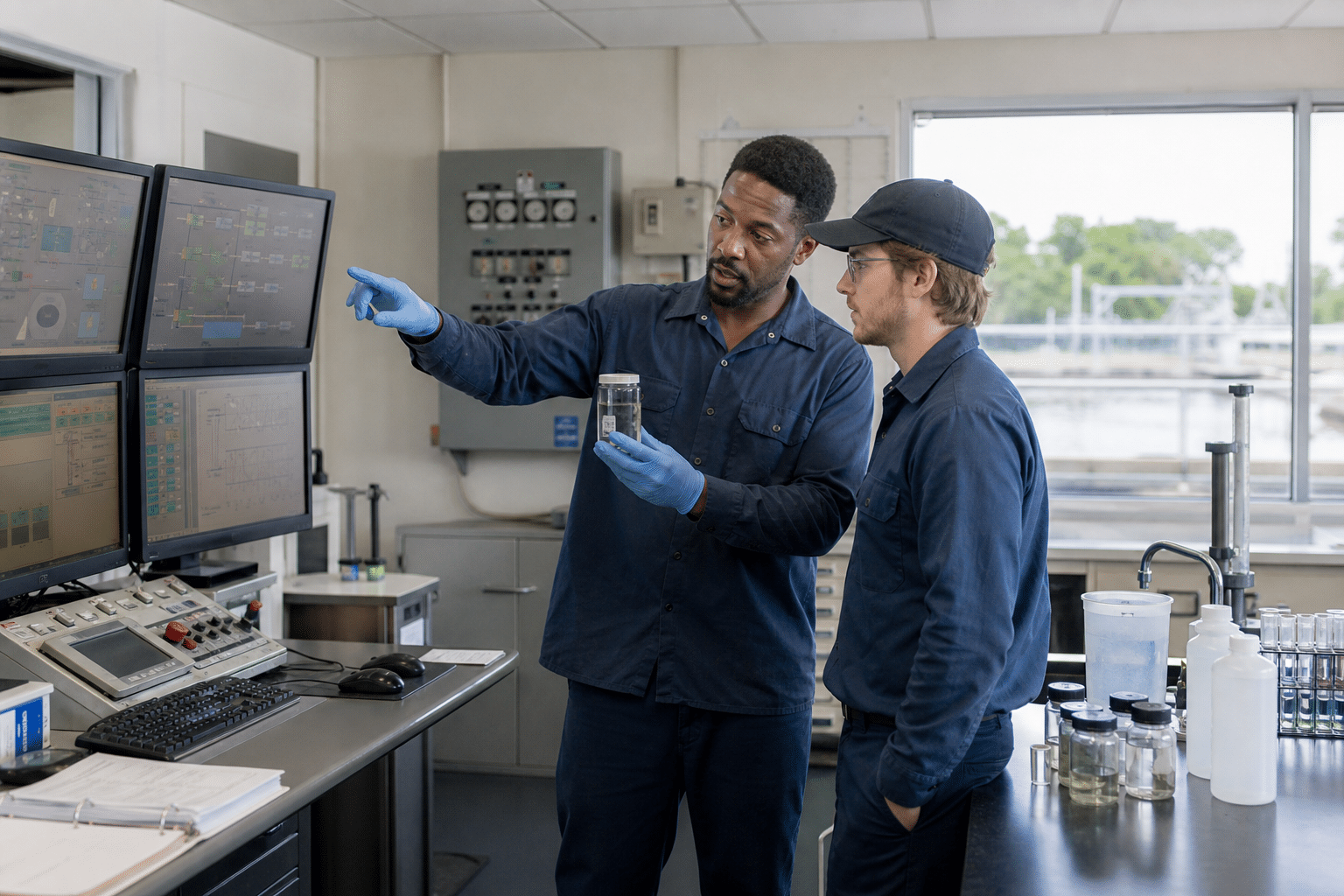
The sample can be the hardest part: The technician may need to choose the right location, flush or prepare the line, preserve the container, record weather or site conditions, and keep the chain of custody intact. A perfect laboratory procedure cannot repair a sample collected at the wrong time or place.
Bottom line
Water quality technicians turn samples into dependable information about environmental and public-health conditions. The work can be field-based, lab-based, or a mix. Start by identifying the sample types and employer requirements in your area, then choose training that matches that actual job.
Plan sampling around the decision it supports
Before collecting a bottle, understand why the sample is needed and which method, location, container, preservative, holding time, and field measurements apply. A convenient sample is not necessarily a representative one. Review the plan and label containers before reaching the site. If conditions force a deviation, record it rather than quietly treating the sample as routine.
Field contamination can come from hands, dirty equipment, reused tubing, vehicle dust, or sampling in the wrong order. Follow the program’s clean-handling procedure and use blanks or duplicates when required. Never rinse a container that was supplied with preservative unless the method specifically says to do so.
Know when a result needs review
An unusual value can reflect a real water condition, a calibration problem, transcription error, expired reagent, damaged container, or missed holding time. Check the quality-control information before reporting a conclusion. Repeat a test only under the approved method, and preserve both the original result and the reason for any rerun.
When entering data, verify station codes, sample times, units, dilution factors, and qualifiers. A decimal or unit error can make a reasonable result look alarming. Flag uncertainty for the laboratory lead or project manager instead of editing the number until it appears normal.
Evaluate training with the laboratory or field program in mind
Ask employers which sample types, instruments, and approved methods a new technician uses. A drinking-water laboratory, wastewater plant, industrial discharge program, and stream-monitoring team have different routines. Find out whether the position requires state laboratory recognition, operator credentials, medical clearance, or only employer qualification. Choose coursework that includes hands-on sample handling and records, not chemistry theory alone.
Ask how the organization handles samples that arrive warm, late, leaking, mislabeled, or without complete custody records. A trustworthy laboratory has a documented acceptance and rejection process, even when a client wants a result quickly. New technicians should not be pressured to hide a condition that affects validity. Learning to communicate a rejected sample clearly and arrange recollection is part of quality work, not an administrative inconvenience.
Good laboratories also track instrument maintenance, reagent lots, temperature records, and staff competency. Ask whether trainees learn these quality-system tasks, since dependable results require more than performing the test itself.
Sources
- U.S. Bureau of Labor Statistics: Environmental Science and Protection Technicians
- OSHA: Occupational Safety and Health Administration
Reviewed September 3, 2026: Water quality technician work can sit in a laboratory, treatment plant, field program, industrial site, or public-health setting. Ask which samples, instruments, and regulations the job uses before choosing training. See water treatment operator work.