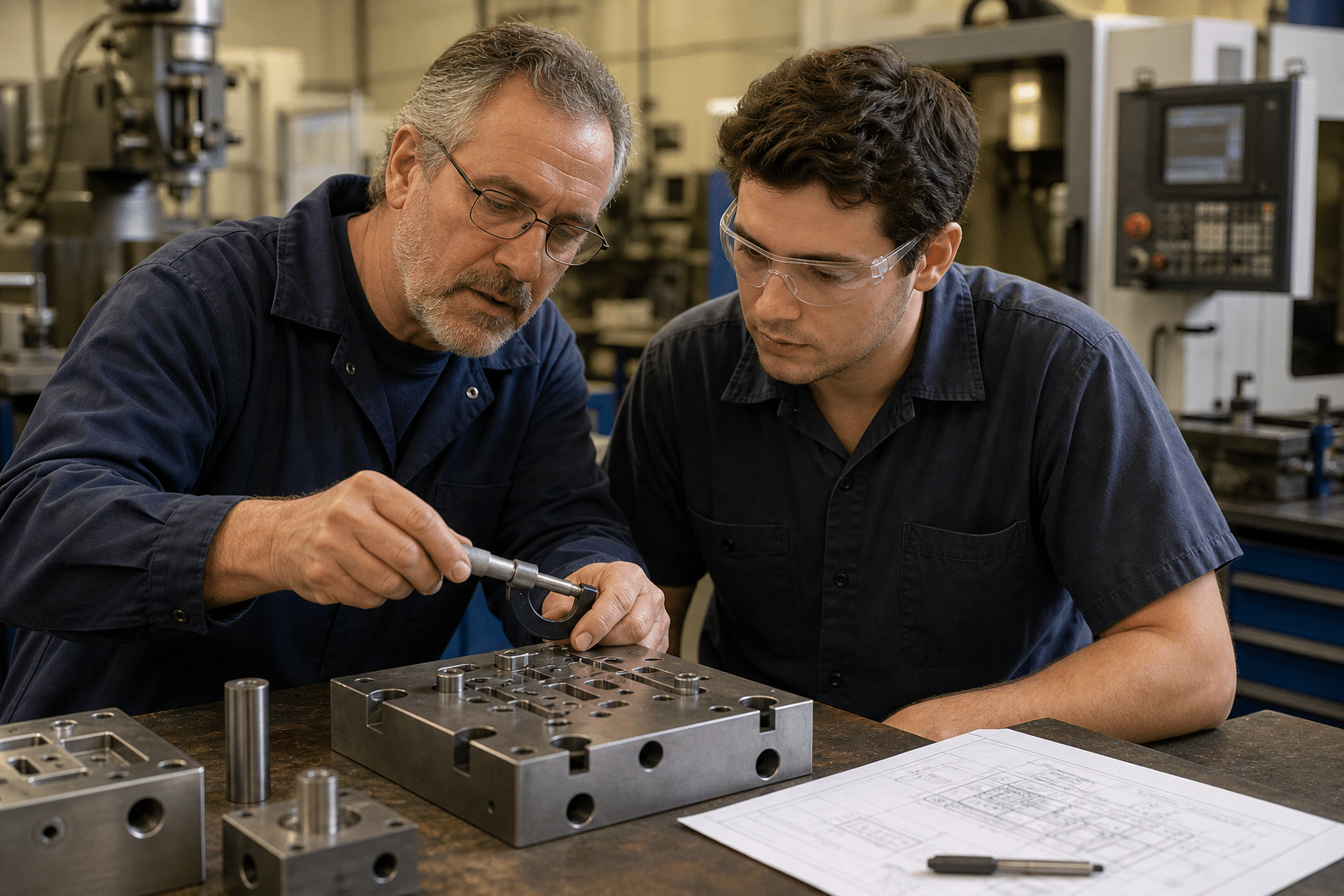
Mechanical technicians turn engineering plans into working parts, equipment, and test results. Depending on the employer, the job may sit in a test lab, factory, field-service team, or maintenance department. Because the title is broad, compare the actual machines, tools, measurements, drawings, and troubleshooting expectations instead of assuming every mechanical technician role is the same.
What does a mechanical technician do?
A mechanical technician helps engineers, production teams, and customers build, test, install, and troubleshoot mechanical systems. Common assignments include:
| Setting | Typical work |
|---|---|
| Test lab | Set up tests, collect data, and compare results with specifications |
| Manufacturing | Support assembly, tooling, fixtures, and production problems |
| Field service | Install, inspect, and troubleshoot customer equipment |
| Maintenance | Repair machinery and prevent repeat failures |
| Engineering support | Build parts, prepare layouts, and report findings |
The role can involve reading technical drawings, taking measurements, using hand and power tools, documenting results, and explaining a problem clearly to the next person in the process. Some positions are hands-on all day; others combine shop work with CAD, spreadsheets, and test reports.
How is it different from related jobs?
A mechanical technician usually works close to the equipment or the testing process. An engineer is more likely to own the design, calculations, or technical decisions. A maintenance mechanic focuses on keeping operating machinery available, while a technician may support design validation, production, installation, or service.
Our maintenance mechanic career guide covers the repair-focused path. Other nearby titles include millwright, mechanical engineering technician, electromechanical technician, and manufacturing technician. Read the job description carefully: two employers can use the same title for very different mixes of shop, lab, field, and computer work.
How do you become a mechanical technician?
Many entry-level candidates start with an associate degree, certificate, or employer training in mechanical technology, manufacturing, CAD, mechatronics, or a related field. Useful foundations include:
- mechanical measurement and shop math
- technical drawings and basic CAD
- materials, fasteners, and mechanical systems
- safe tool and equipment use
- spreadsheets, test records, and technical writing
A short program can help you build a portfolio: a fixture, repair log, CAD drawing, measurement exercise, or documented test. Experience in assembly, maintenance, quality, HVAC, automotive work, or another hands-on trade can also transfer, especially when you can explain how you diagnose problems and follow specifications.
Mechanical technician pay and outlook
The U.S. Bureau of Labor Statistics reports a median annual wage of $74,510 for mechanical engineering technologists and technicians in May 2025. It projects 1% employment growth from 2025 to 2035 and about 3,100 openings per year on average. This is a useful national benchmark for the mechanical-engineering-technician occupation, not a promise for every mechanical technician posting. Pay varies with industry, location, overtime, travel, and the amount of design or troubleshooting responsibility.
What is the work environment like?
Mechanical technicians may work in manufacturing plants, laboratories, engineering offices, customer sites, or repair areas. The environment can include noise, standing, lifting, heat, rotating equipment, chemicals, or tight production schedules. Employers should provide task-specific training, protective equipment, and procedures. Review the actual physical requirements before applying, particularly for field and plant roles.
Is mechanical technician a good second career after 40?
It can be a practical option when you enjoy figuring out how things work and want a role that connects planning with physical results. Your previous experience may help with customer service, documentation, supervision, maintenance, construction, logistics, or quality control. The main questions are whether you want shop or field work, how much training you need, and whether the local employers offer a realistic entry point.
Before enrolling, search local postings for “mechanical technician,” “mechanical engineering technician,” “manufacturing technician,” and “field service technician.” Compare the tools, shifts, credentials, and pay—not just the titles.
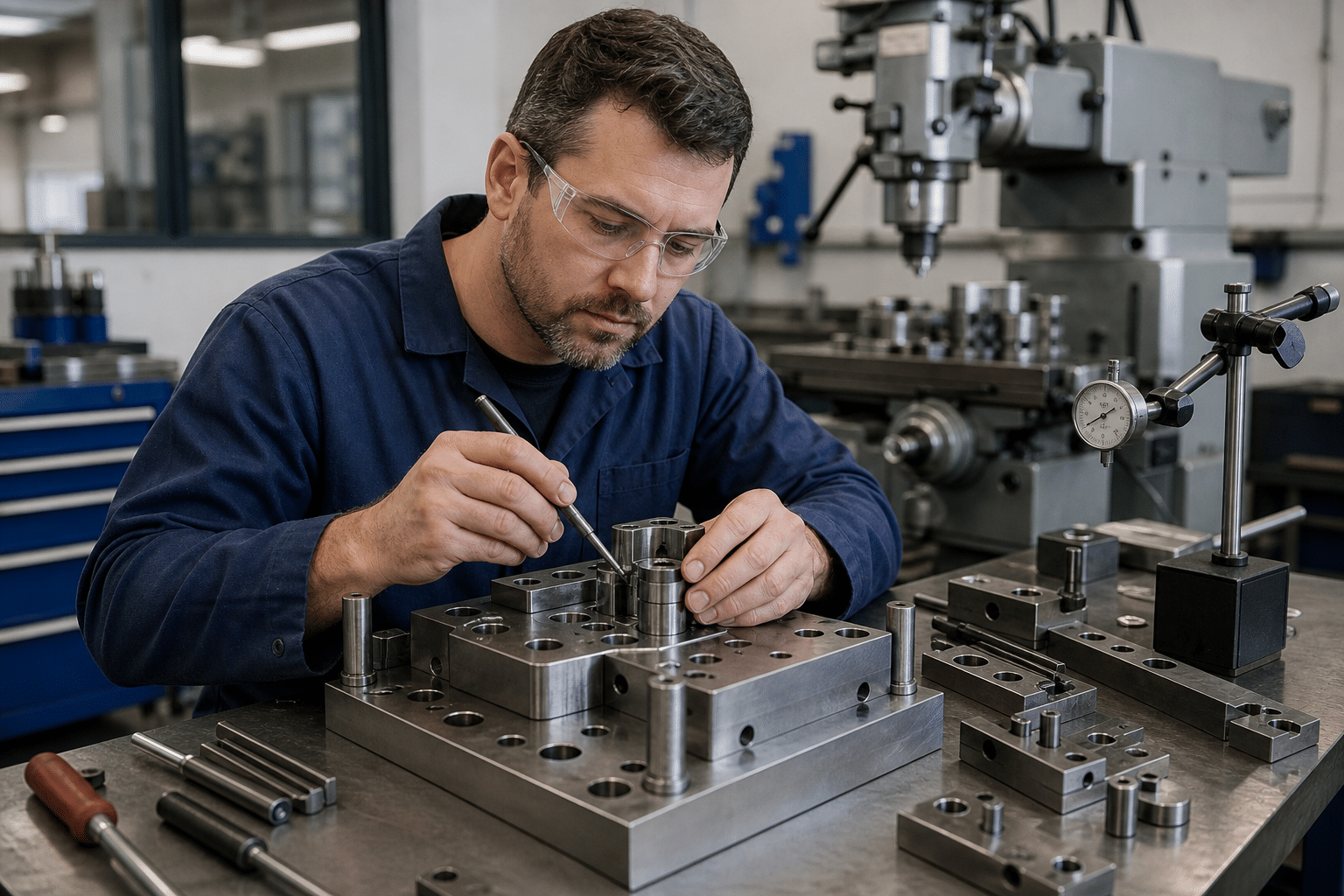
A test result needs a physical explanation: If a mechanism binds or vibrates, the technician may check alignment, fit, lubrication, fasteners, material, and the test setup before declaring the design wrong. Clear notes and measurements help engineering decide whether the fix belongs in the part, the assembly, or the procedure.
Turn a test request into a clear setup
A mechanical technician supporting development may receive a question such as whether a bracket deflects beyond a specified limit under load. Before building the setup, the team needs the current drawing, test objective, approved loading conditions, measurement locations, and acceptance basis. The engineer or responsible specialist owns those decisions; the technician helps make the physical setup match them.
A fixture can influence the result. Mounting, alignment, looseness, and the position of a measuring device may change what is observed. Document the setup with a sketch or photograph and identify anything that differs from the plan. If the result is unexpected, preserve the observation and review the setup with the responsible person before modifying the specimen.
Use a portfolio to show measurement judgment
A permitted training project could compare a manufactured part with its drawing. Include the features measured, instrument used, readings, and questions that arose. Explain why the instrument is suitable for the feature and tolerance. A neat report with unsupported pass marks tells an employer less than a modest exercise with clear reasoning and a documented correction.
If your background is repair, describe how you distinguished a damaged component from an assembly problem. If it is drafting, show how you translated a drawing into a physical part or test. These examples help connect earlier work to engineering support. They also expose the skills you still need, such as measurement practice, material knowledge, or structured data recording.
Compare workshop and field responsibilities
Ask how much work involves prototype builds, repeated production checks, customer installation, or breakdown support. A development laboratory may provide varied experiments but frequent design changes. A field position may offer independent assignments after training, along with travel and customer deadlines. Neither setting can be understood from the technician title alone.
During an interview, ask who checks fixtures and test plans, how lifting and moving parts are handled, and whether the company supplies specialty instruments. For a career changer, the most useful first assignment is one with understandable responsibilities and accessible technical review. Keep examples of completed work when permitted, with confidential details removed. Over time, a record of careful builds and explained test results can support a move into a more specialized product or testing team.
Bottom line
Mechanical technician is a flexible umbrella title for people who build, test, install, measure, and troubleshoot mechanical systems. A technical certificate or associate program can strengthen your entry, while hands-on experience can be a real advantage. Start with the work setting you want, then choose the job title and training that match it.
Sources
- U.S. Bureau of Labor Statistics: Mechanical Engineering Technologists and Technicians
- OSHA: Occupational Safety and Health Administration
Reviewed September 3, 2026: Mechanical technician jobs range from test labs to factories, field service, and maintenance. Ask which equipment, measurement tools, and documentation the role uses each week. See electromechanical technician work.