
Instrumentation technician training prepares people to measure and control process conditions such as temperature, pressure, flow, level, and composition. A strong program connects classroom theory with calibration, loop checks, sensors, control valves, drawings, and safe troubleshooting. For a career changer, the useful comparison is not certificate versus no certificate; it is supervised practice versus a program that stays mostly theoretical.
This page focuses on choosing training. For the job itself, its work settings, and career fit, see our instrumentation technician career guide.
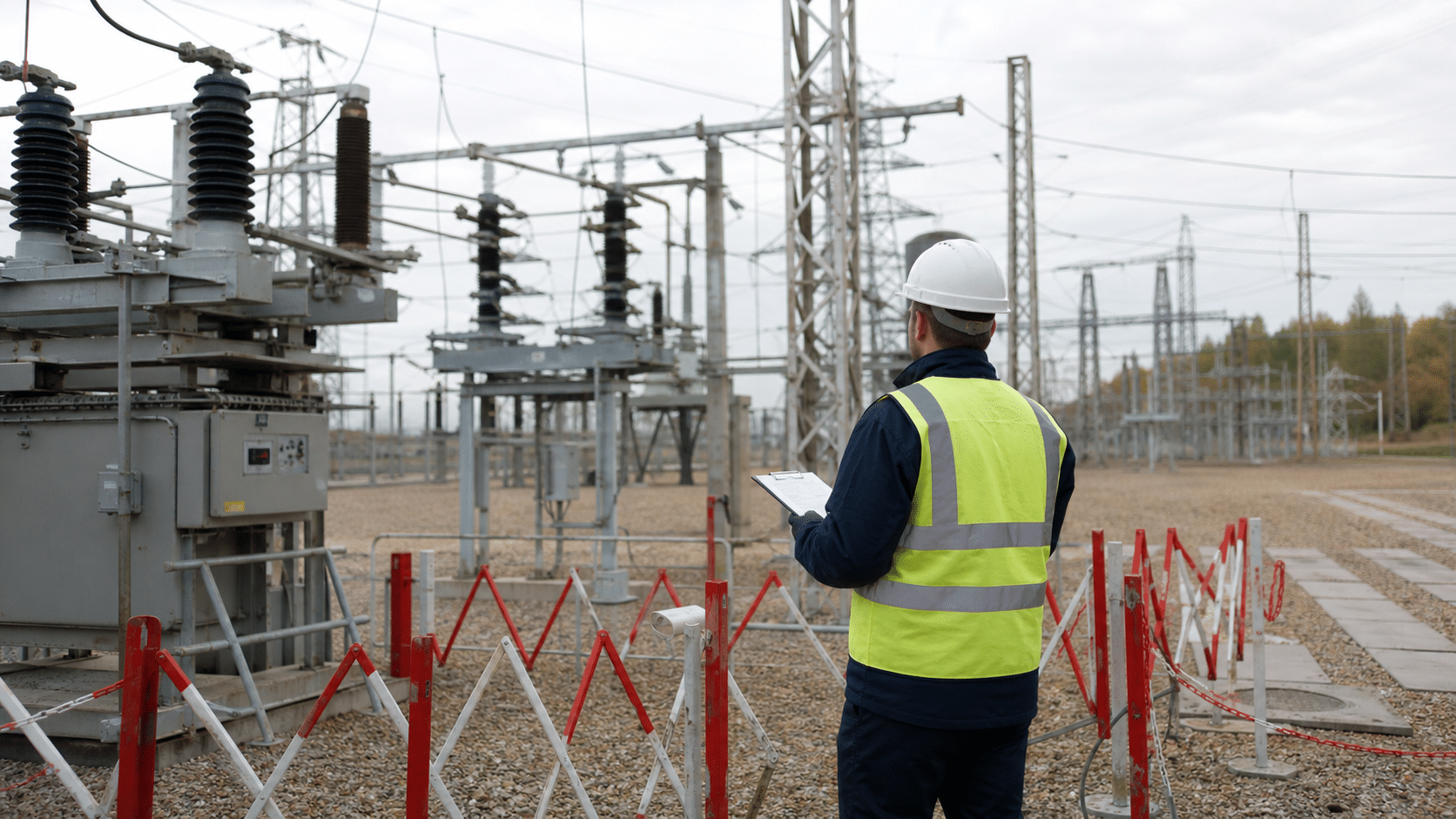
Look for a complete loop: Students should have a chance to identify a sensor, wire or inspect the signal path, calibrate the device, test the controller response, and explain the result. A course that only names instruments may leave graduates unprepared for the fault-finding employers actually need.
What should instrumentation technician training include?
The title covers several related jobs. In one plant, the technician may focus on calibration. In another, the work may include troubleshooting PLC inputs, tuning a loop, testing safety instruments, or helping engineers start up new equipment.
| Area | Typical work |
|---|---|
| Inspection | Check instruments, wiring, tubing, valves, and protective enclosures |
| Calibration | Compare a device with a known standard and document the result |
| Troubleshooting | Trace a bad reading, signal fault, failed input, or control problem |
| Installation | Mount, wire, configure, and test new instruments |
| Preventive maintenance | Test critical devices before they fail in production |
| Documentation | Record as-found data, repairs, settings, and return-to-service checks |
The work is a blend of electrical, mechanical, measurement, and computer skills. A technician may use a multimeter, calibration source, communicator, pressure hand pump, loop calibrator, drawings, and a laptop during the same job.
How do you become an instrumentation technician?
There is no single national license for the title. Employers commonly look for a technical certificate, associate degree, apprenticeship, military experience, or related industrial experience. Useful subjects include electrical fundamentals, process measurement, control systems, blueprint reading, programmable logic controllers, and workplace safety.
Experience as a controls technician, electrician, maintenance mechanic, calibration technician, or electronics technician can transfer well. It does not automatically qualify someone to work on every process, hazardous location, or safety instrumented system.
Training should include lockout/tagout, electrical safety, instrument documentation, and the limits of each test device. Some employers require additional site-specific qualifications for chemical plants, refineries, utilities, or confined spaces.
Where do instrumentation technicians work?
Common settings include manufacturing plants, refineries, chemical facilities, power generation, water treatment, food production, and building or process automation. The job may be inside a control room, in a workshop, or outdoors tracing a signal at the equipment.
Plant work can involve noise, heat, chemicals, heights, rotating equipment, and shutdown work under time pressure. The technician must follow permits and isolation procedures. A neat calibration record is part of the safety system, not paperwork added afterward.
Instrumentation technician pay and outlook
Instrumentation technician is a broad job title, so a single salary number can mislead. A useful BLS comparison is electrical and electronic engineering technologists and technicians, an occupation that includes testing, maintenance, and support work involving electrical and electronic systems. Another relevant comparison may be industrial machinery mechanics or electro-mechanical technicians, depending on the employer.
Use those benchmarks as a starting point, then compare local job postings by industry, shift, travel, overtime, and required experience. Pay can rise with shutdown work, specialized process knowledge, troubleshooting ability, and responsibility for critical control systems. The benchmark is not a guaranteed instrumentation technician wage.
Is instrumentation a good second career after 40?
It can fit someone who likes diagnosing problems carefully and wants a technical role close to real equipment. Maintenance, electrical, electronics, automation, and manufacturing experience can reduce the learning curve. The work still demands comfort with documentation, testing standards, and continued training.
Before enrolling, read local postings and note whether employers want an entry-level technician, an instrument fitter, a calibration specialist, or a controls technician. Compare the shift pattern, physical access requirements, and time needed to become useful on the job. Those details matter more than the title alone.
Understand the whole measurement path
A pressure value on a control-room screen depends on more than the transmitter. The process connection, sensing element, configuration, wiring or communications, input handling, and display all contribute to the result. For a classroom exercise, sketch that path and identify where a fault could enter. This gives a trainee a way to organize questions instead of assuming that an unexpected reading means the field device needs adjustment.
On an operating process, investigation must follow the plant’s authorization and isolation procedures. Ask how trainees learn to coordinate with operations before a test affects an input, alarm, or control function. A bench exercise and a connected plant instrument carry different consequences. That distinction should be explicit in the employer’s qualification process.
Keep the condition found separate from the repair
A calibration record should preserve what the instrument indicated before adjustment as well as the result afterward. Otherwise, reviewers may lose evidence about how the device behaved during earlier production. The approved procedure defines the checks, tolerances, and documentation; a career guide cannot supply one sequence for every instrument.
When considering a course, ask to see a completed practice record. Can a reader identify the instrument, reference equipment, test conditions, observations, and final status? Does the exercise include deciding what to do when a result is outside the acceptance limits? These questions reveal whether students learn measurement discipline alongside operating a calibrator.
Compare fitter, calibration, and controls positions
Some employers need installation skills, including mounting and tubing. Others need laboratory calibration, field maintenance, or control-system troubleshooting. List the tasks in nearby vacancies and compare them with your experience. An electrical worker may need process knowledge; a mechanical worker may need signal and circuit fundamentals. Select training around the missing skills and the equipment you can realistically work on locally.
Ask about shutdown travel, on-call support, access to current drawings, and the time allowed for documentation. Also clarify which advanced work requires separate qualification. Testing a safety-related function or changing control configuration should have a defined review path. The first job should make those limits understandable and provide supervised opportunities to progress. That is a more useful indicator of training quality than the number of instrument brands mentioned in an advertisement.
Bottom line
Instrumentation technicians make industrial measurements trustworthy and control systems responsive. It is a practical path for a careful problem-solver, but the right training depends heavily on the plant and equipment. Start with the local job titles, then build the electrical, measurement, controls, and safety skills those employers actually request.
Sources
- U.S. Bureau of Labor Statistics: Electrical and Electronic Engineering Technologists and Technicians
- U.S. Bureau of Labor Statistics: Industrial Machinery Mechanics, Machinery Maintenance Workers, and Millwrights
- OSHA: Control of Hazardous Energy (Lockout/Tagout)
Reviewed September 3, 2026: Instrumentation work combines measurement, calibration, control loops, sensors, valves, and plant procedures. Ask which systems the employer uses and how much work is in the field or control room. Compare it with controls technician work.