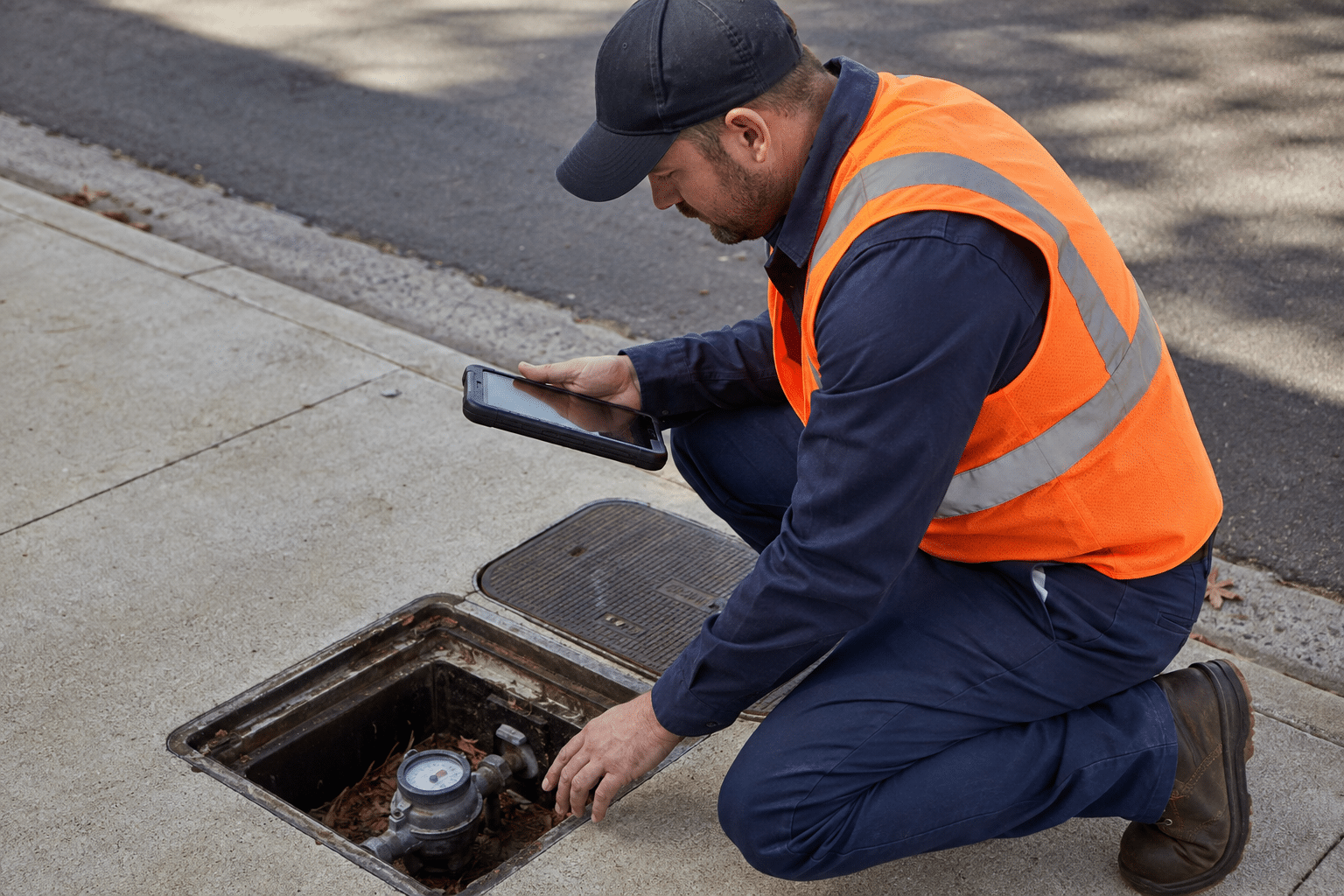
A water meter inspector checks whether a meter and its service connection are installed, accessible, secure, and recording use correctly. The work supports accurate billing and can reveal leaks or damaged equipment before they become larger problems.
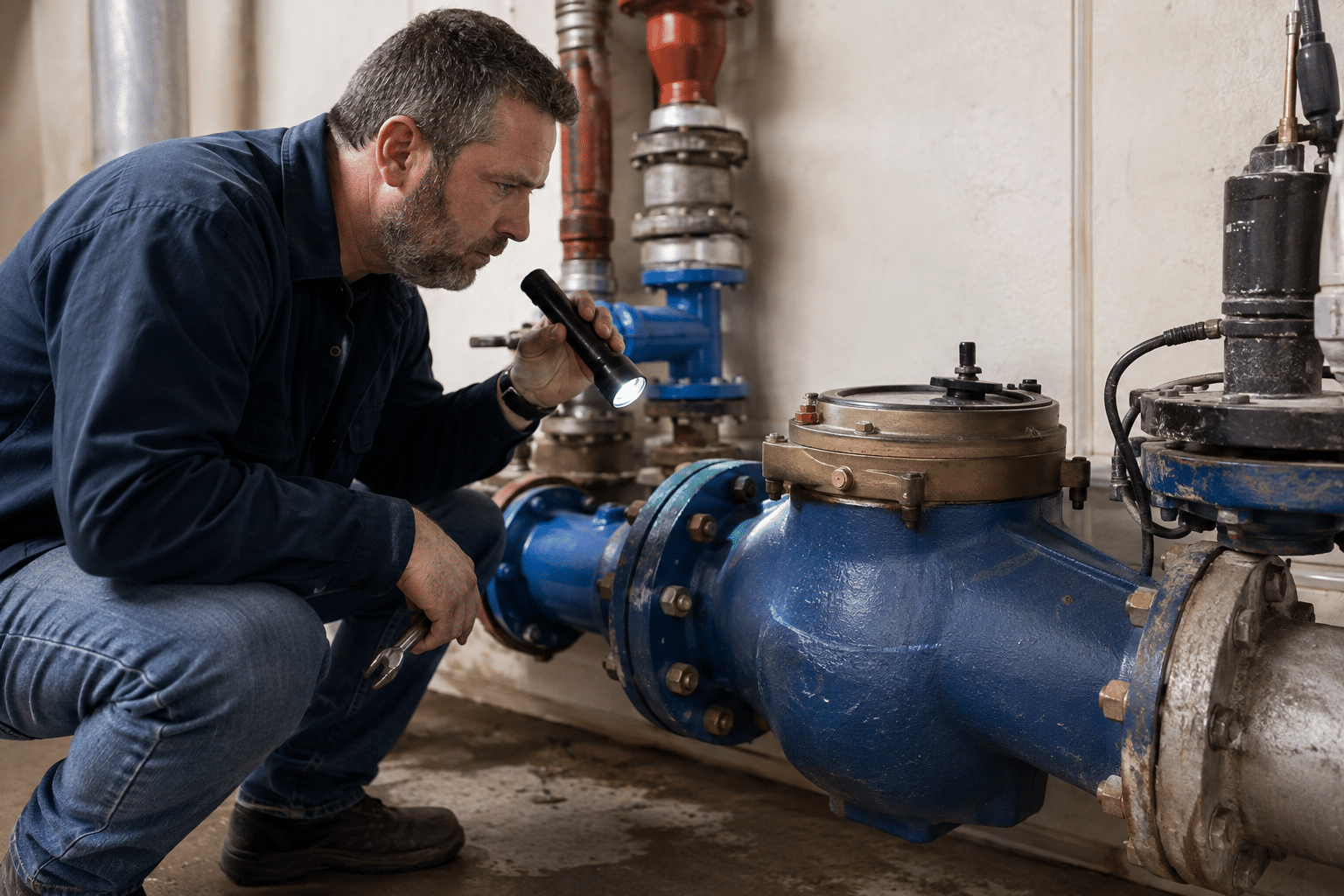
What does a water meter inspector do?
Duties may include reading or testing meters, comparing usage records, checking seals, looking for tampering or leaks, inspecting boxes and valves, documenting access problems, and verifying new installations. Some inspectors work with smart meters and handheld data systems. Others focus on commercial meters, construction inspections, or customer complaints.
Training and work conditions
Employers often look for a high school diploma, driver’s license, basic plumbing knowledge, comfort with tablets and meters, and good customer communication. Utilities usually teach local procedures, safety rules, and billing systems on the job. Expect outdoor work, crouching, walking, driving between properties, and occasional difficult conversations about high bills.
Pay and career fit
This title is not always separated in national wage tables. Pay depends on the utility, public-sector grade, location, and whether the job includes repair or enforcement work. The career may fit after 40 for someone from field service, plumbing, facilities, construction, meter reading, or customer support. Ask whether the role is mostly inspection, installation, or customer education.
For related paths, see water meter technician, water conservation technician, and water distribution operator.
What a normal week can include
Most water meter inspectors move between planned work and unexpected questions. The planned side may include inspections, readings, preventive tasks, scheduled service, or a review of records from the previous shift. The unexpected side is where judgment matters: a customer reports a problem, an alarm appears, a measurement does not match the drawing, or a component behaves differently from yesterday. Good work starts by confirming the condition before changing anything.
Because these jobs support homes, apartment properties, businesses, and public utility sites, the worker may coordinate with operators, customers, engineers, contractors, dispatchers, or a supervisor. A short, accurate handoff is often as important as the physical task. It should explain what was observed, what was tested, what was changed, and what remains open.
Tools, records, and technical judgment
The day-to-day equipment for a water meter inspector commonly includes meter registers, endpoint transmitters, inspection forms, handheld devices, seals, and utility databases. The list changes by employer, but the habit is consistent: use the right instrument, check that it is suitable for the task, and record enough information for another person to understand the result. An unreadable register, broken seal, reversed installation, or unexpected consumption pattern may require a second visit or a specialist review.
A strong inspection record identifies the meter, location, reading, seal condition, visible damage, and reason for escalation. Photos must show the useful detail rather than merely prove that someone visited. Clear notes matter when billing staff, maintenance crews, and customers later need to understand why a meter was tested or replaced.
Training that actually helps
Useful preparation includes basic plumbing, meter-reading systems, safe access to pits or confined-looking spaces, and the utility’s procedures for suspected tampering or leaks. New inspectors normally learn the local meter inventory and route software on the job. Ask whether the employer supplies protective equipment and pays for any required safety instruction.
For a water meter inspection role, ask whether beginners start with visual checks, register verification, leak indicators, or customer-side investigations. Find out who reviews disputed readings and how the utility teaches local meter types and service rules. Paid ride-alongs with an experienced inspector are more useful than a generic certificate that never puts you beside an installed meter.
Safety and working conditions
Safety depends on the setting. A water meter inspector may face electricity, moving machinery, pressure, chemicals, heights, vehicles, weather, confined areas, or stored energy. The correct response is not to improvise. It is to follow the hazard assessment, use the required PPE, isolate equipment when required, and stop when the conditions do not match the work plan.
The day may involve a route of basements, pits, mechanical rooms, yards, and occupied properties. Ask how often inspectors lift covers, kneel, work near traffic, drive between stops, or speak with customers about access. A realistic ride-along will tell you more about the pace and physical fit than the title alone.
Career fit after 40
This path can suit someone who brings reliability, patience, customer awareness, or practical troubleshooting from another industry. The strongest transferable skill is often not a specific tool; it is the ability to notice a change, ask a precise question, and complete the record. field service, observation, and accurate records can be learned, but it is easier when you already respect procedures and take pride in leaving a site or workstation in better condition.
At first, similar meter models and service configurations can be easy to confuse. Build a repeatable check sequence, confirm the account and serial number before recording results, and ask an experienced inspector to explain unusual installations. Accuracy and respectful customer communication usually matter more than trying to move through a route too quickly.
Where the role can lead
With experience, a water meter inspector may move toward meter technician, utility investigator, field supervisor, or distribution-operations role. Advancement depends on demonstrated competence, additional education, employer structure, and sometimes a license or industry credential. Before applying, ask what the previous person in the role moved on to and whether internal training is available.
Questions to ask before applying
- What does the title mean at this company, and what tasks are outside the role?
- What equipment, software, PPE, and documentation system will I use?
- How are new workers trained and signed off for independent work?
- What are the schedule, travel, physical, and emergency expectations?
- What is the next realistic step after I become competent?
How to judge an offer
Ask whether the position is mainly visual inspection, customer appointments, field troubleshooting, or a step toward meter installation. Clarify the service territory, weather policy, driving time, production expectations, and procedure for reporting a damaged or inaccessible meter. Those details reveal the real job more clearly than the title.