Practical career guidance for adults 35+ · U.S. launch edition Source-first

Utility Locator: Duties, Training, Pay and Career Fit

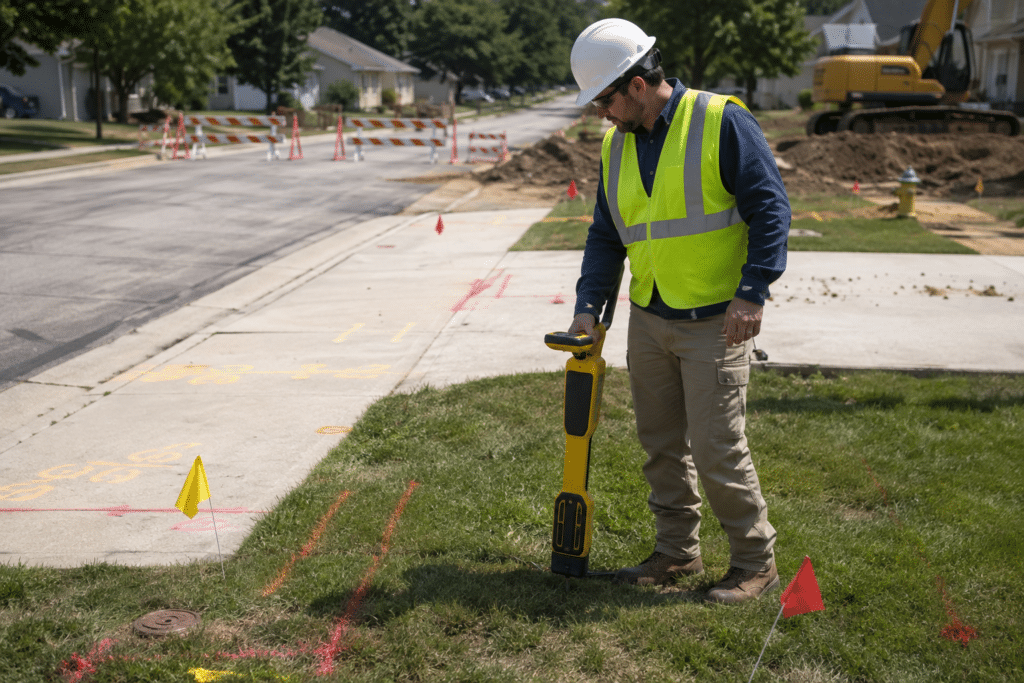
A utility locator marks underground lines before excavation begins. The work protects digging crews and the public, but it also involves incomplete records, changing site conditions, weather, driving, and the need to explain what the marks do and do not mean. Locators may work around electric, gas, water, sewer, and telecommunications infrastructure, so careful documentation […]
Read the guide

Boiler Inspector: Duties, Training, Certification, Pay and Career Fit

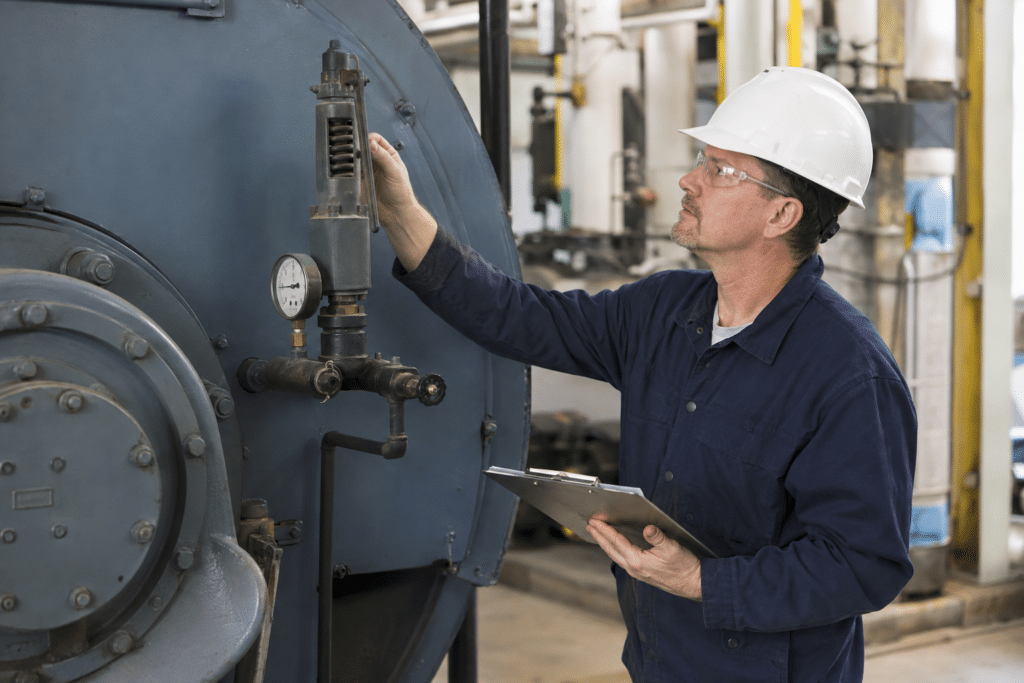
A boiler inspector examines equipment that produces heat and pressure, then records whether it meets the applicable safety and inspection requirements. The work can involve visual checks, documentation, code references, witness points, and conversations with owners or contractors. The title covers different assignments by state and employer, so the actual authority, certification, and equipment should […]

Read the guide

Fire Suppression Technician: Duties, Training, Pay and Career Fit

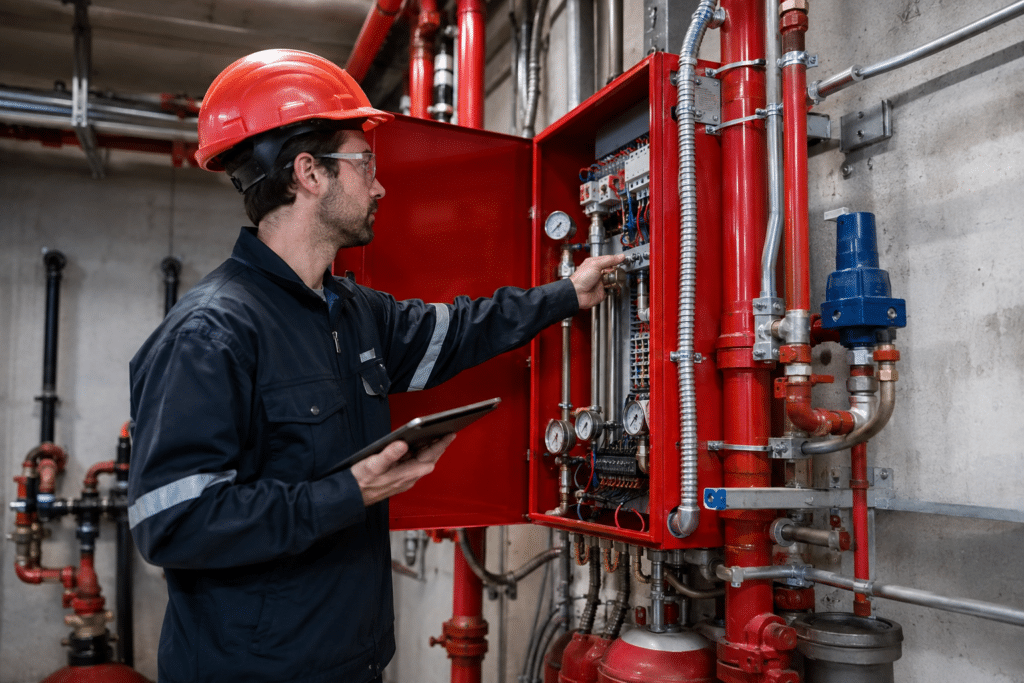
A fire suppression technician installs, tests, maintains, or repairs equipment intended to control a fire. The work may involve sprinkler piping, pumps, valves, clean-agent systems, special-hazard protection, or the connections between suppression and alarm equipment. It combines field work with code-aware documentation, and the correct training depends heavily on the system and the local authority. […]

Read the guide

Industrial Mechanic: Duties, Training, Pay and Career Fit

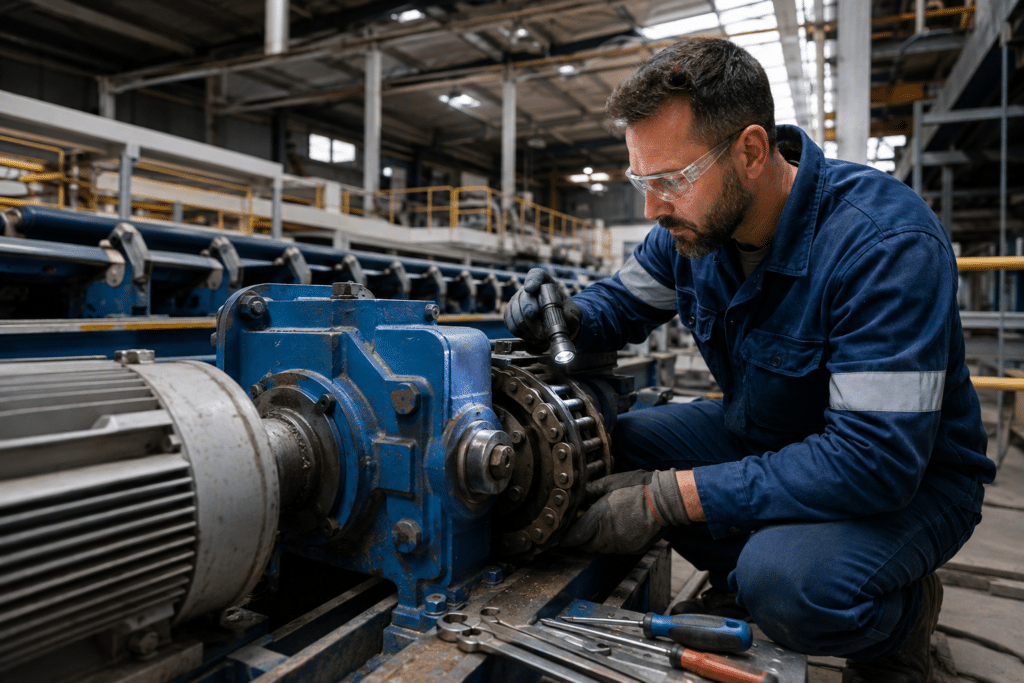
An industrial mechanic keeps production equipment running safely, often around conveyors, pumps, gearboxes, bearings, motors, hydraulics, and compressed-air systems. The title overlaps with millwright and industrial maintenance roles, so the equipment, shift, and level of troubleshooting matter more than the job title alone. This can be a strong second-career path for someone who likes finding […]

Read the guide

Hydrology Technician: Duties, Training, Pay and Career Fit

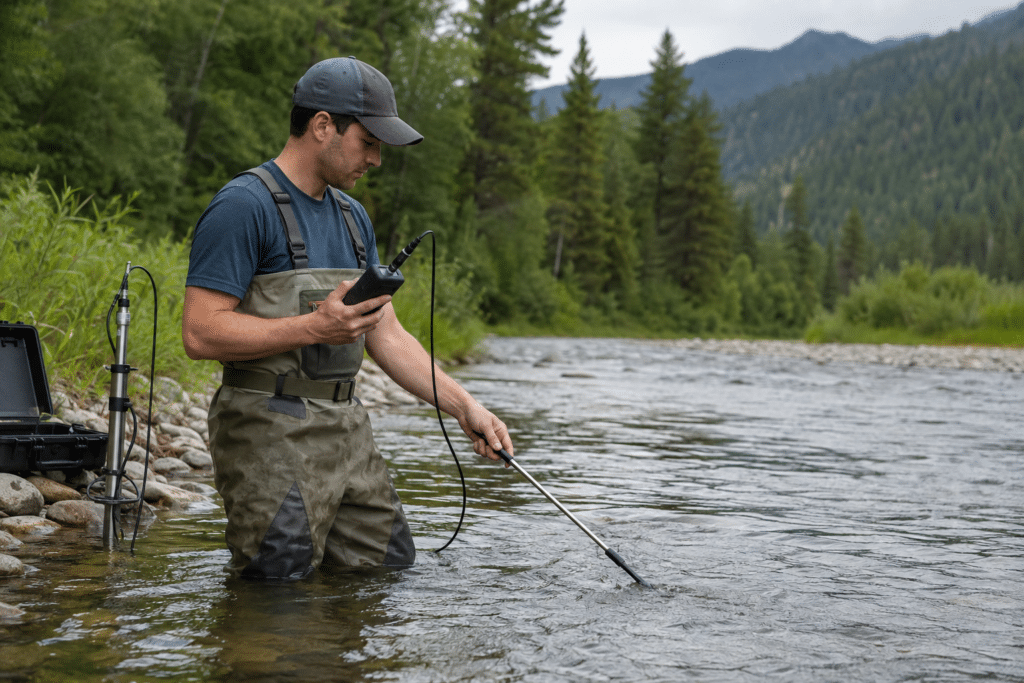
A hydrology technician collects and checks measurements about surface water and groundwater. The work may support flood monitoring, water-supply planning, environmental studies, engineering projects, or scientific programs. It mixes field conditions with instruments, samples, data checks, and reports, so the job requires patience with both the physical site and the quality of the record. What […]

Read the guide

Water Resource Specialist: Duties, Training, Pay and Career Fit

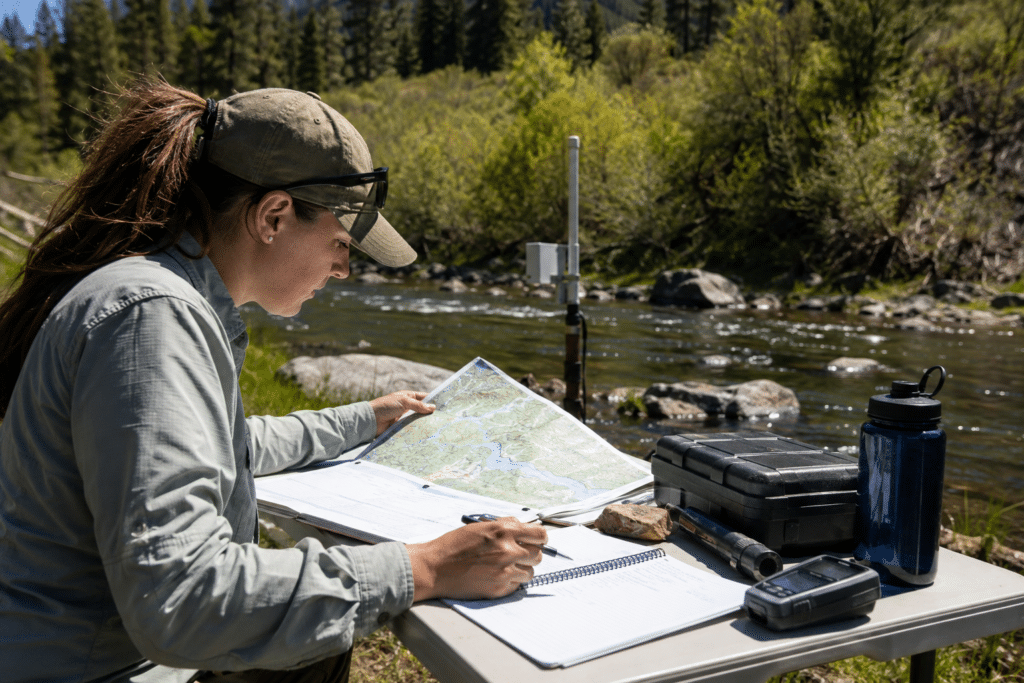
A water resource specialist studies how water is used, moved, protected, and managed. The work may combine field information, technical reports, permits, data analysis, planning, and conversations with utilities, landowners, agencies, or project teams. It is broader than a single field technician role, so the employer’s mission and the balance between office and field work […]

Read the guide

Welding Inspector: Duties, Training, Certification, Pay and Career Fit

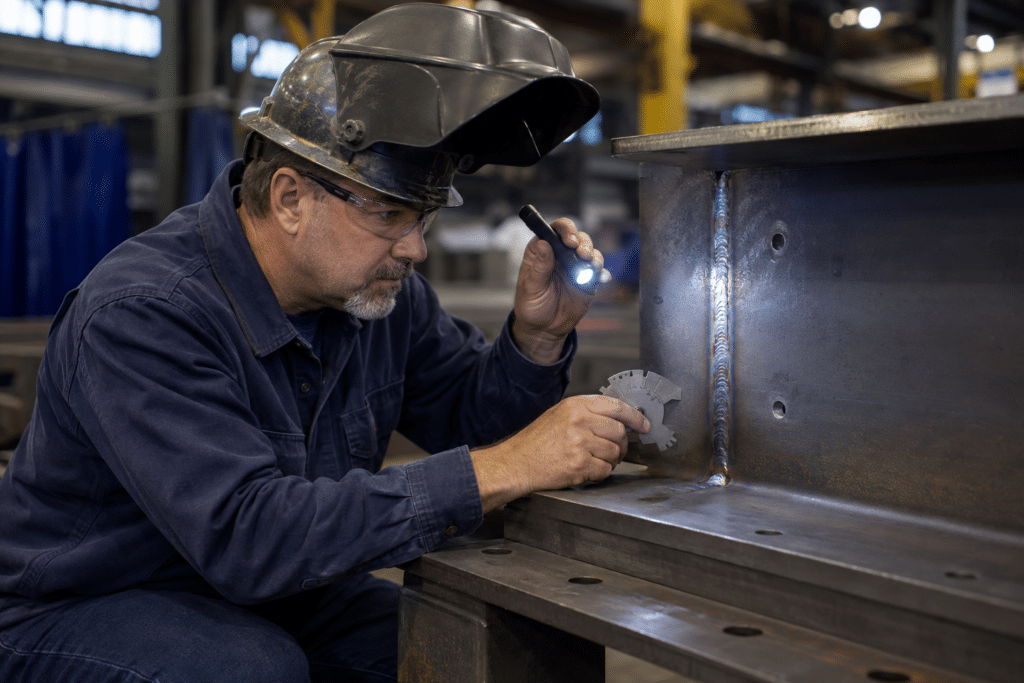
A welding inspector checks whether welded work matches the drawing, code, specification, and acceptance criteria for the job. The work may happen in a fabrication shop, on a construction site, in a plant, shipyard, or around heavy equipment. It is evidence-based work: the inspector observes the weld, reviews the records, uses the required inspection method, […]

Read the guide

Pipeline Inspector: Duties, Training, Certification, Pay and Career Fit

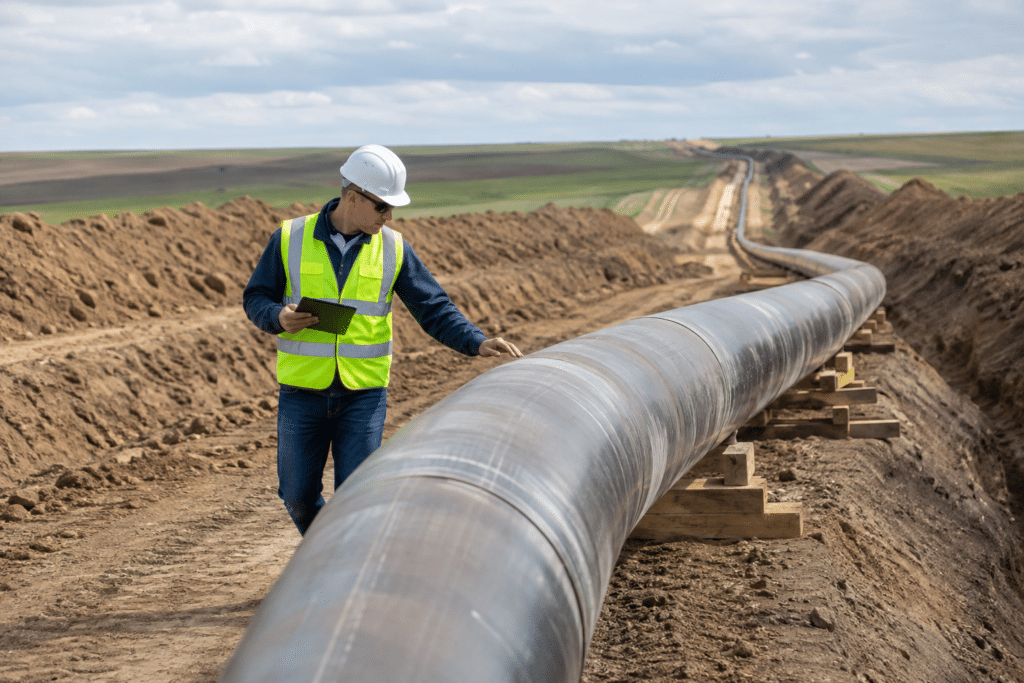
A pipeline inspector checks whether construction, materials, installation, testing, and records match the requirements of a pipeline project. The system may carry natural gas, water, chemicals, or other products, and the inspector’s focus can shift between welds, coatings, crossings, pressure tests, and documentation. The role is field-heavy and detail-heavy, with travel and weather often part […]

Read the guide

Geophysical Technician: Duties, Training, Pay and Career Fit

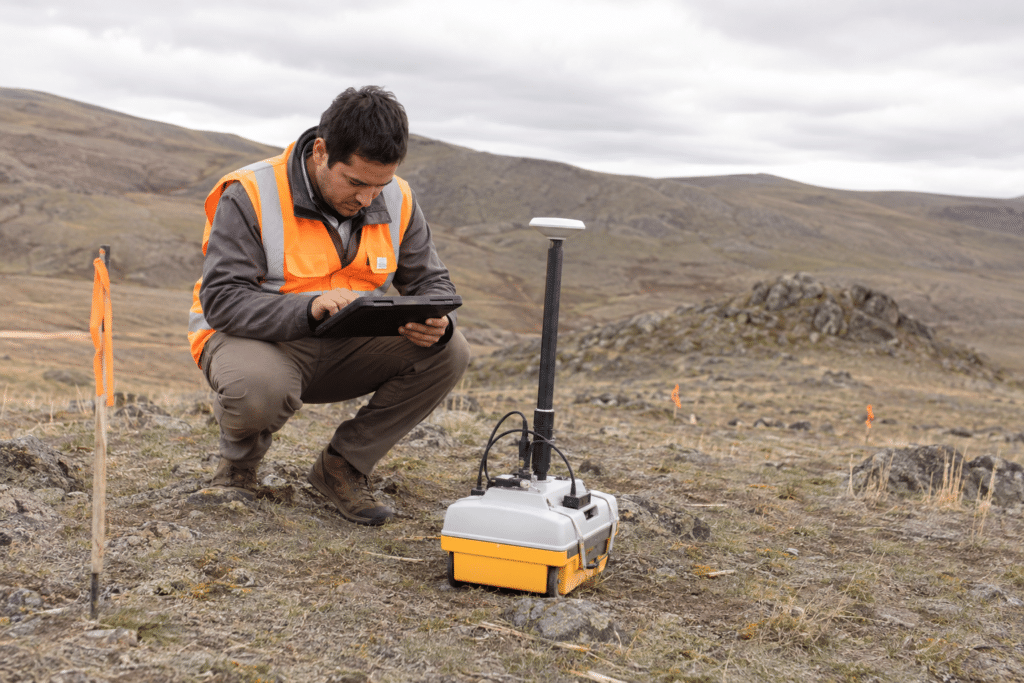
A geophysical technician supports surveys that measure conditions below or around the ground. The work may help locate buried features, understand site conditions, monitor changes, or support engineering and environmental decisions. It combines equipment setup, field logistics, data quality checks, and careful records, so the job is as much about reliable measurements as it is […]

Read the guide

Geology Technician: Duties, Training, Pay and Career Fit

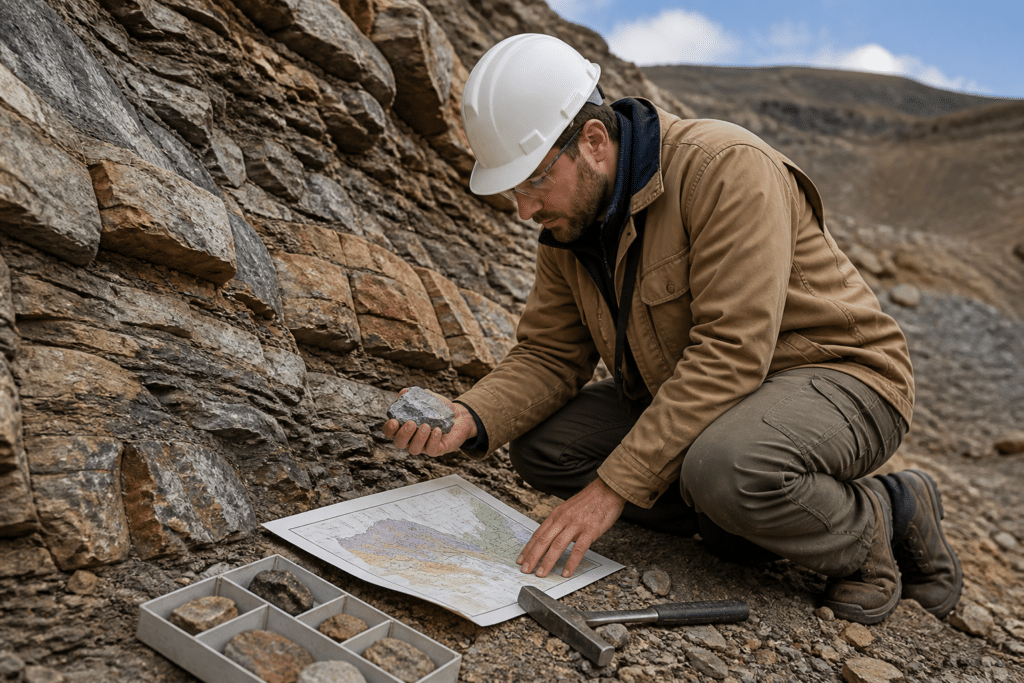
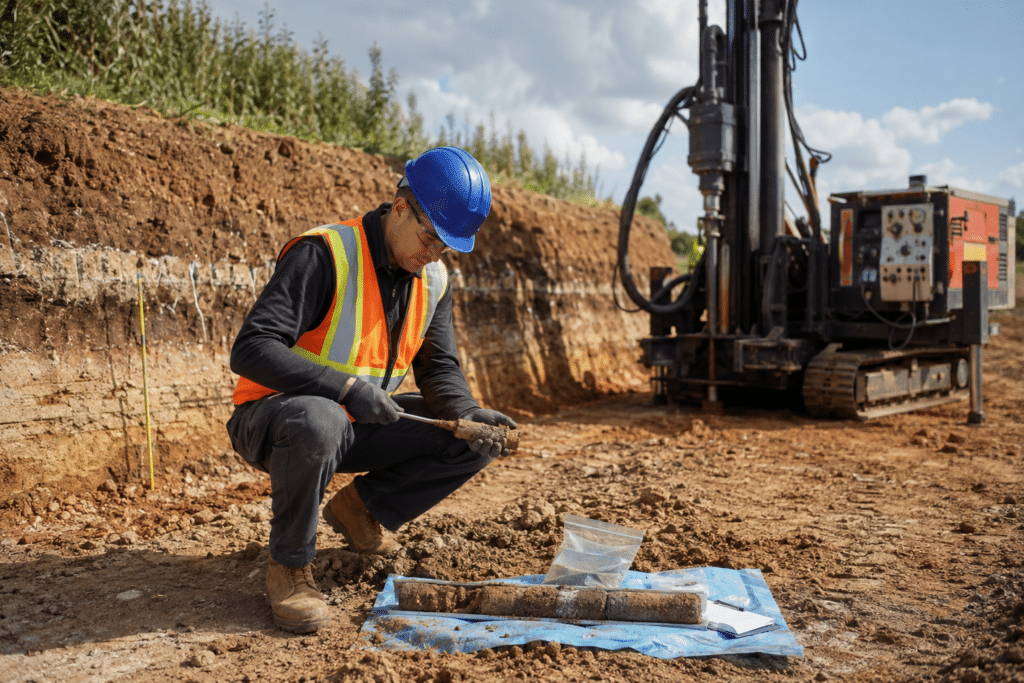
A geology technician helps collect, prepare, and document physical evidence about rocks, soil, minerals, and the ground beneath a project. The setting might be a mine, environmental investigation, construction site, laboratory, water study, or public agency. The work is practical and methodical, with samples and records that other professionals will use to make larger decisions. […]

Read the guide