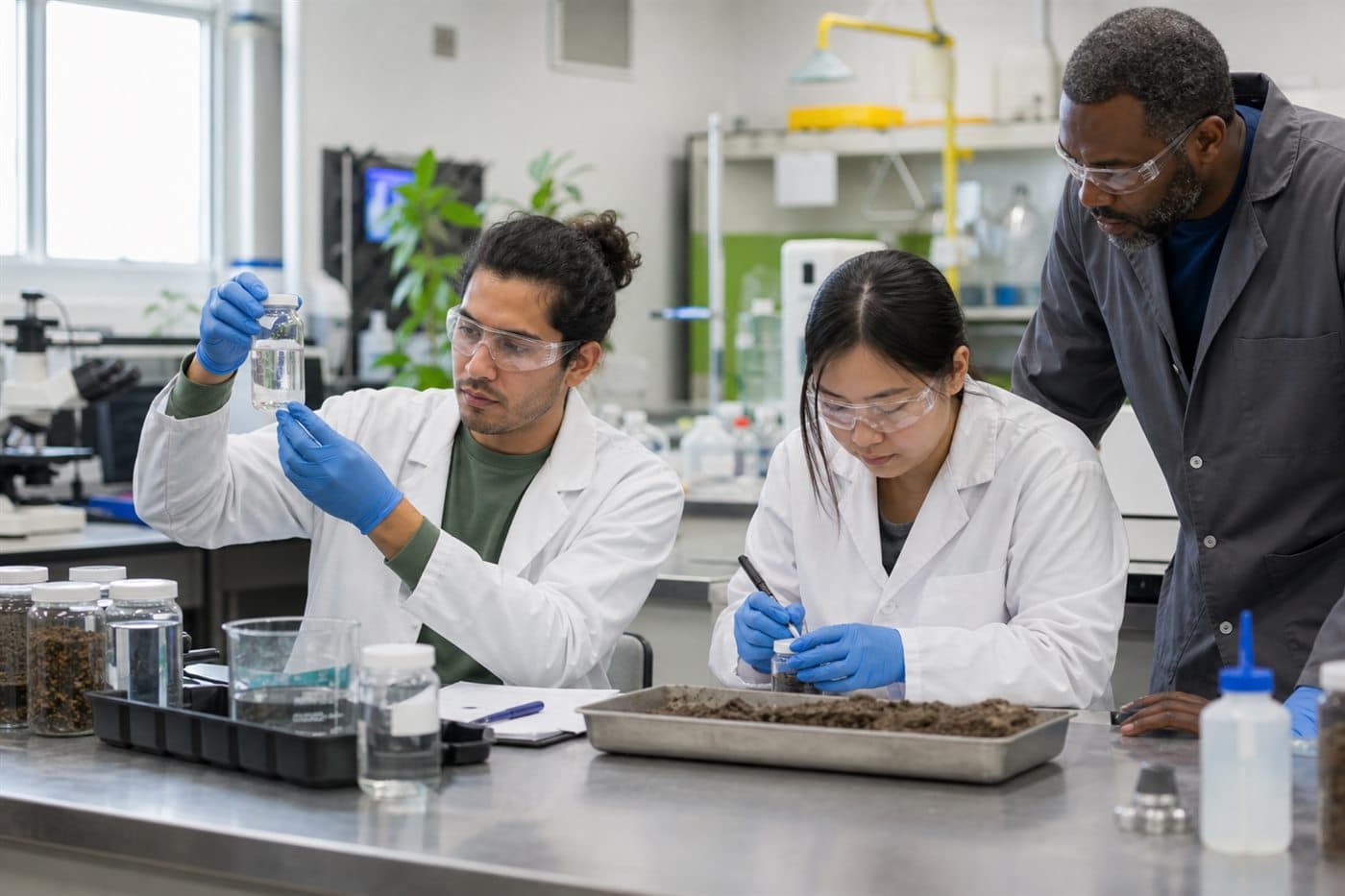
A laboratory technician prepares samples, runs tests, records results, and helps keep a laboratory’s work accurate and organized. The setting might be a hospital, water lab, food plant, pharmaceutical company, environmental service, or research department. Because the same title covers different work, the sample type, method, schedule, and quality system matter more than the label.
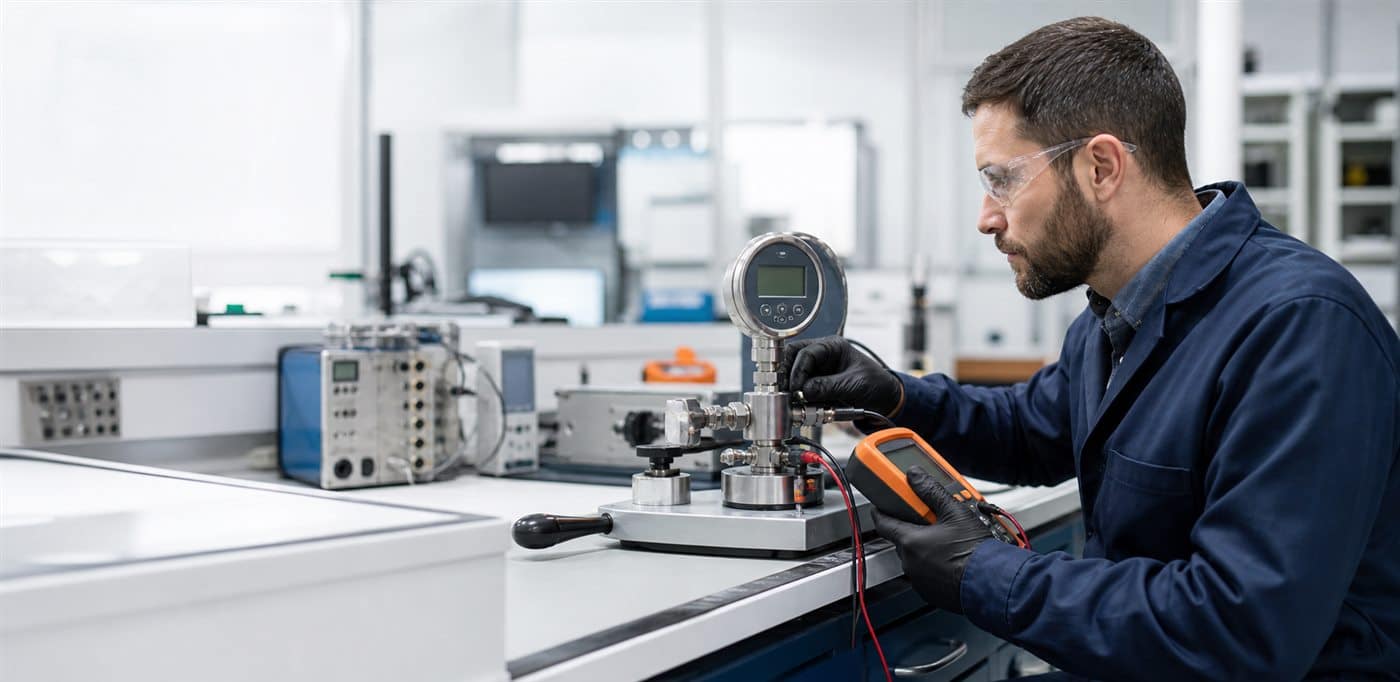
Small handling errors can change the result: The technician may need to check a sample against the request, prepare it in the correct order, use the right control, and record any condition that could affect the test. The work rewards consistency, but it also requires speaking up when a sample or procedure does not make sense.
What does a laboratory technician do?
A technician follows a defined method, watches for problems, and documents what happened. Some roles are highly repetitive. Others require more troubleshooting, instrument maintenance, or communication with scientists, nurses, operators, or clients.
| Area | Typical work |
|---|---|
| Sample handling | Receive, label, prepare, store, and track samples correctly |
| Testing | Run approved chemical, biological, physical, or quality tests |
| Equipment | Calibrate, clean, check, and report problems with instruments |
| Quality control | Run controls, review results, and flag an unreliable run |
| Records | Enter results, maintain chain of custody, and complete required logs |
| Safety | Handle chemicals, biological material, sharps, waste, and spills correctly |
The work rewards consistency. A rushed label or undocumented change can make a result unusable. Good technicians know when to stop a run and ask for help instead of quietly forcing a questionable result through.
How do you become a laboratory technician?
Requirements depend on the laboratory. Clinical laboratories may require an associate degree, approved coursework, certification, or state-specific credentials. Environmental, industrial, food, and research laboratories may ask for chemistry, biology, environmental science, or laboratory technology training.
An environmental technician or water quality technician may already have field sampling and documentation experience. Someone coming from a biomedical equipment technician role may understand instruments and preventive maintenance, but not the science or credentialing required for clinical testing.
Training commonly includes lab math, chemistry or biology, sample integrity, quality systems, instrument operation, data entry, and hazard communication. Check the rules for the specialty and state before paying for a program. A general laboratory certificate may not qualify you for a regulated clinical role.
Where do laboratory technicians work?
Laboratory technicians work in hospitals, clinics, public-health agencies, water and wastewater facilities, manufacturing plants, food companies, pharmaceutical production, universities, and contract laboratories. Some work at a bench. Others collect samples in the field or support production quality on a factory floor.
Schedules vary. Hospitals and production plants may operate around the clock. Environmental and research labs may have more regular hours, but deadlines, seasonal sampling, or urgent batches can change the week. Ask about weekends, exposure controls, standing, repetitive work, and protective equipment.
Laboratory technician pay and outlook
For clinical work, the closest BLS benchmark is clinical laboratory technologists and technicians. It covers a regulated healthcare laboratory occupation and should not be used as a universal number for food, environmental, industrial, or research technicians.
Compare postings by laboratory type, credential, shift, sample volume, instrument responsibility, and location. A technician who performs medical testing under state rules may follow a very different path from one who tests water, production materials, or soil. BLS data is a benchmark, not a promise for every laboratory title.
Is laboratory work a good second career after 40?
It may suit someone who prefers careful procedures, evidence, and a controlled work area. Experience in healthcare support, manufacturing, quality, environmental work, or equipment maintenance can transfer. The trade-off is that accuracy often matters more than speed, and much of the work may involve records that other people never see.
Before enrolling, visit or call local laboratories and ask what entry-level roles accept. Confirm the required education, certification, schedule, and exposure controls. The word "laboratory" covers too many settings for a generic course promise to be useful.
Pick a sample type before picking a course
Start with a product or question that interests you. A food laboratory may test ingredients or finished batches. An environmental laboratory may process water and soil from many clients. A research group may prepare experiments whose procedures change as the project develops. Ask an employer which samples arrive most often and what an entry-level technician does with them. This gives a much clearer training target than the word laboratory on a course brochure.
For a career change, make a simple comparison of prerequisites, practical classes, placement opportunities, and the first job each program supports. Someone with manufacturing experience may have a shorter route into materials or production testing than clinical testing. A biology graduate returning to work may need current bench practice more than another broad academic qualification. Let the employers’ requirements identify the gap.
What a sample receipt problem teaches you
Imagine a client sends a container with an incomplete label and an unclear collection time. Before testing, the laboratory needs to establish whether the sample meets its acceptance rules. The technician records the discrepancy and follows the agreed resolution process. Quietly filling in a likely time would make the record look complete while hiding a limitation that could affect the result.
This is a useful example to discuss during an interview. Ask how the laboratory handles rejected samples, missing instructions, and urgent requests. The answer shows whether quality procedures are supported when a customer or production team wants a quick result. Also ask who authorizes changes to a method and how the laboratory identifies the version currently in use.
Prepare evidence of careful bench work
A training portfolio can include a dilution calculation, an equipment check, and a short report explaining an unexpected result. Use classroom or permitted practice data, with no client or patient information. Show units, the original readings, and any correction clearly. A supervisor should be able to follow your reasoning without watching the exercise.
When considering an offer, separate the advertised shift from the real finishing time. Samples may have processing deadlines, and production laboratories may receive work late in a shift. Ask about cross-training, time at the bench versus sample preparation, and whether technicians progress toward more complex instruments. These details determine both the daily routine and the next skill you can acquire.
Bottom line
Laboratory technicians produce dependable test work by protecting samples, following methods, checking equipment, and documenting results. Choose the laboratory type first. Clinical, environmental, industrial, food, and research roles can share basic habits while requiring different training and credentials.
Sources
- U.S. Bureau of Labor Statistics: Clinical Laboratory Technologists and Technicians
- U.S. Bureau of Labor Statistics: Biological Technicians
- OSHA: Laboratory Safety
- CDC: Clinical Laboratory Improvement Amendments (CLIA)
Reviewed September 3, 2026: Laboratory technician duties change by sample type, employer, safety rules, and method. Check whether a program leads to clinical, environmental, food, industrial, or research work. Compare it with medical laboratory technician work.