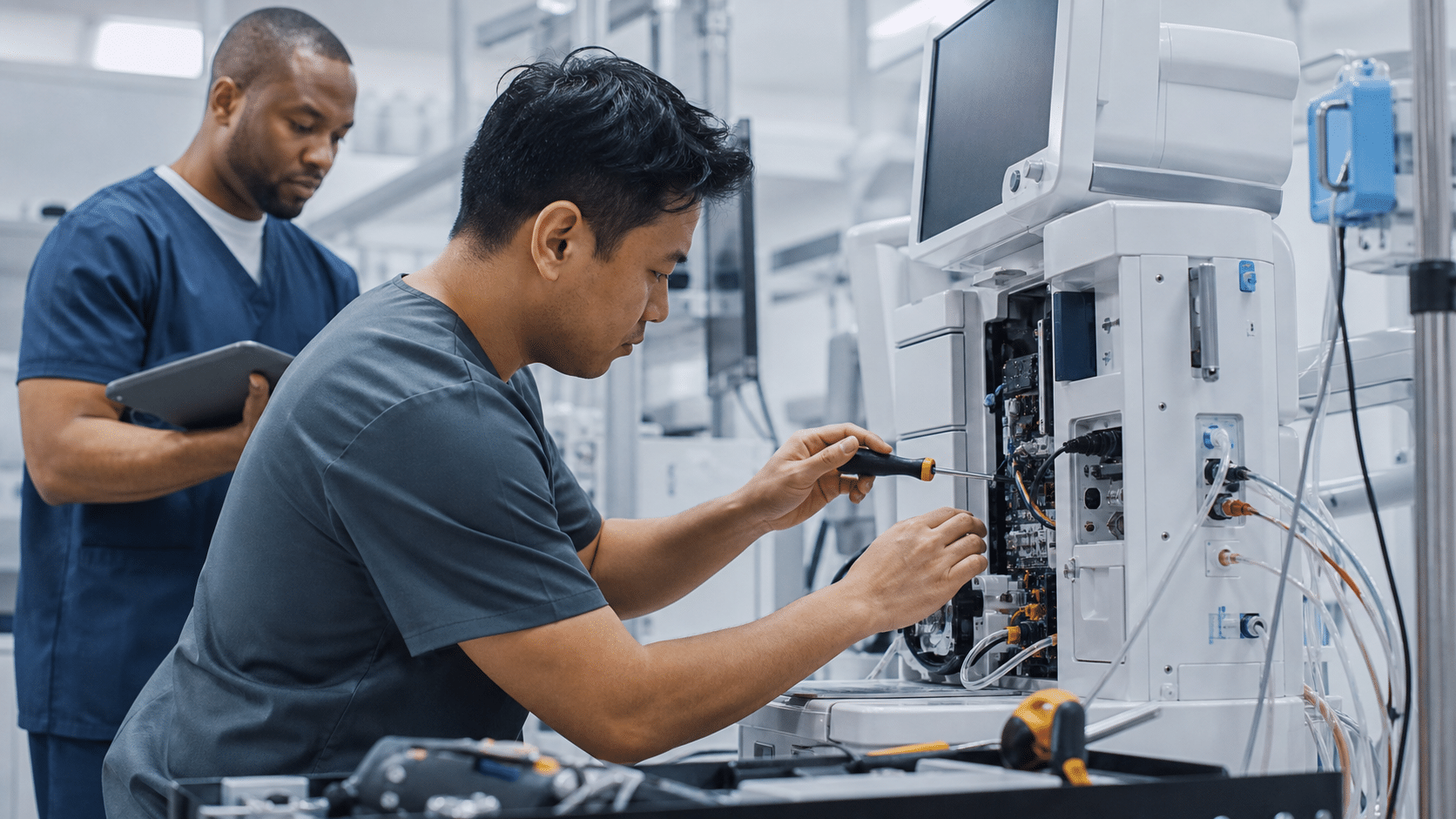
A sterile processing technician cleans, inspects, assembles, sterilizes, stores, and tracks reusable medical instruments. The work sits behind the operating room, but it directly affects whether instruments are ready, complete, and safe for use. It requires careful procedures, repetitive handling, documentation, and comfort working in a hospital environment where timing and accuracy both matter.
The title can sound more specialized than it is. Employers may also use terms such as central service technician or sterile processing technician. The department, equipment, shift, and training expectations matter more than the label.
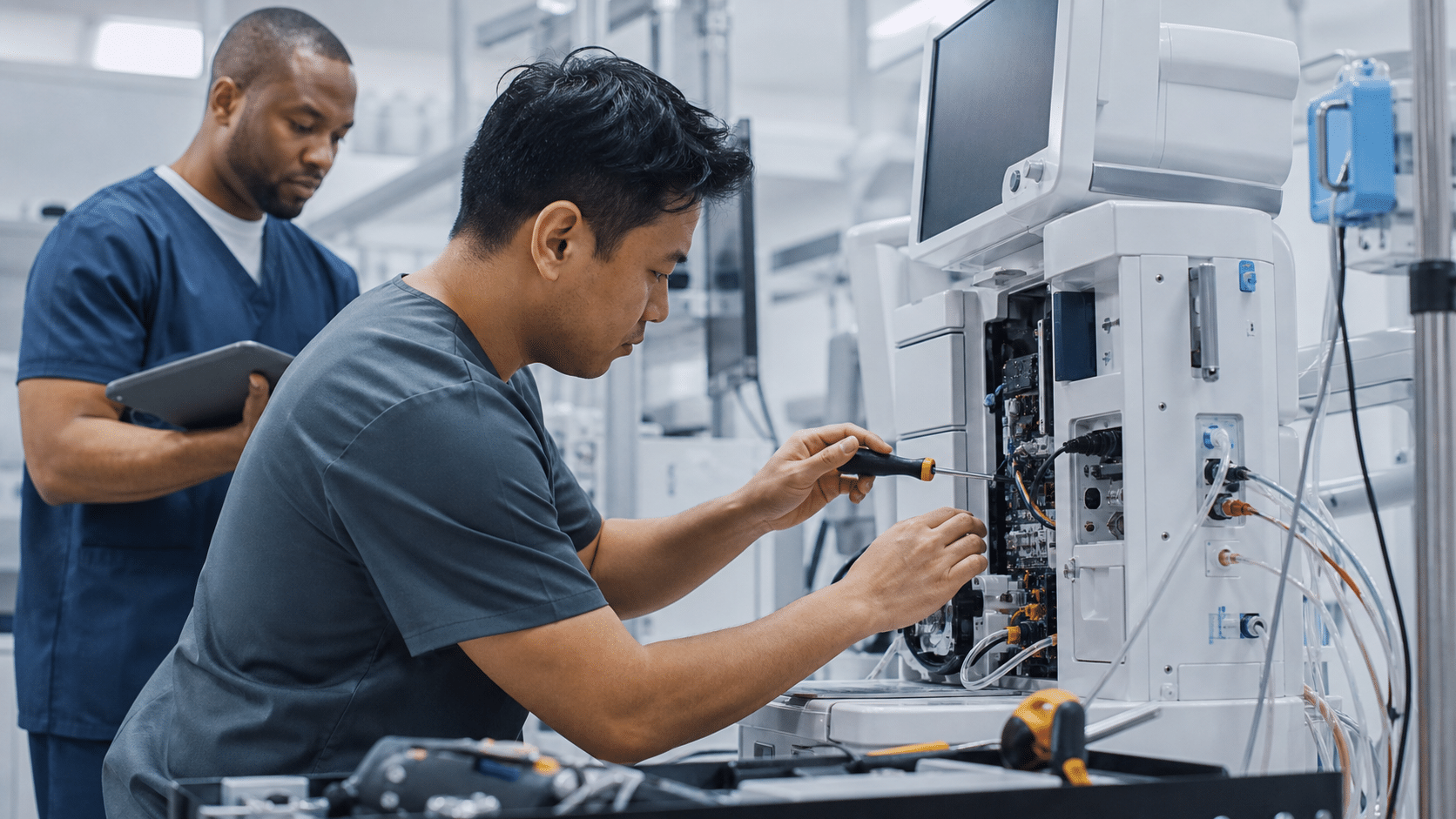
A tray is not finished when it looks clean: The technician checks the instruments, confirms that moving parts function, assembles the tray against the count sheet, selects the correct sterilization process, and verifies the load record. Missing one item or skipping one inspection step can affect the next procedure, which is why the workflow is deliberately controlled.
What does a sterile processing technician do?
A typical workflow begins when used instruments arrive from a procedure area. The technician follows safety procedures while sorting and transporting items, then cleans them using manual methods or specialized equipment. After cleaning, each item is inspected for damage or residue.
Technicians may assemble instrument sets, package them for sterilization, operate sterilizers or other processing equipment, document cycle information, and store processed items so they can be located when needed. They may also answer requests from operating-room staff and report missing, damaged, or improperly processed equipment.
This is not the same job as a medical laboratory technician. A laboratory technician works with specimens and test results, while sterile processing work focuses on reusable instruments and infection-prevention procedures. See our guides to the medical laboratory technician and laboratory technician paths for that different kind of work.
Where do sterile processing technicians work?
Hospitals are the best-known employers, but they are not the only option. Jobs may exist in ambulatory surgery centers, specialty clinics, dental facilities, device-processing services, and organizations that support healthcare operations. Large hospitals can offer more specialized departments and shift choices. Smaller facilities may give one technician a broader range of responsibilities.
How do you become a sterile processing technician?
There is no single nationwide route that applies to every employer. Many people start with a high school diploma or equivalent, complete a sterile processing training program, and apply for entry-level work. Some employers provide on-the-job training; others prefer coursework, clinical practice, or an industry certification.
Before paying for a program, read actual job postings in the area where you want to work. Compare prerequisites, hands-on hours, exam preparation, background-check rules, and whether the program is recognized by the employers you are targeting. Requirements can vary by state, facility, and department.
The U.S. Bureau of Labor Statistics groups related work under Medical Equipment Preparers, an occupation that includes preparing, sterilizing, installing, or cleaning healthcare equipment. That benchmark is useful context, but it is not a promise that every sterile processing job has the same pay or outlook. Start with the employer’s exact duties and requirements.
What skills matter?
- Careful attention to cleaning, inspection, packaging, and documentation steps.
- Comfort following written procedures without skipping steps under time pressure.
- Ability to stand, lift trays, wear protective equipment, and work around heat, moisture, and cleaning agents.
- Professional communication with nurses, surgical staff, supervisors, and supply teams.
- Willingness to learn equipment instructions and infection-prevention practices.
Is sterile processing a good second career after 40?
It can fit someone who wants a healthcare setting without direct bedside care. The work has a clear purpose and a measurable process, and previous experience in manufacturing, quality assurance, inventory, cleaning, food safety, or regulated operations can transfer well.
The tradeoffs are real. Hospitals may require evenings, nights, weekends, or holidays. The work is repetitive at times, and mistakes can have serious consequences. A realistic first step is to shadow the department if possible, review local postings, and ask a training provider how much supervised practice is included.
Bottom line
A sterile processing technician protects the reliability of healthcare procedures by preparing reusable instruments through a controlled workflow. It is a practical second-career option for detail-oriented adults who prefer structured work, can handle physical demands, and are willing to meet the training standards of local employers.
Protect the instrument through every step
Sterile processing work follows a one-way logic from contaminated receipt through cleaning, inspection, assembly, packaging, sterilization, storage, and distribution. Learn the department’s zones and never move an item backward casually. Personal protective equipment, hand hygiene, transport containers, and environmental controls change by area. Speed cannot repair a break in that flow.
During assembly, match the instrument and set list, inspect surfaces and function, and follow manufacturer instructions for preparation and sterilization. Do not guess about a hinged, lumened, powered, or delicate device. Missing instruments, retained soil, incorrect packaging, and undocumented substitutions must be handled through the department’s process before the tray reaches a procedure.
Evaluate training beyond certification
Certification requirements and employer preferences vary, but an exam does not replace supervised practice. Ask how trainees rotate through decontamination, assembly, sterilizers, and case-cart work; how competency is documented; and who answers questions during evenings or weekends. The job includes standing, heat, protective equipment, repetitive handling, urgent requests, and exact records. A realistic department tour is essential before committing.
Traceability continues after sterilization. Loads, cycles, biological and chemical indicators, equipment status, package integrity, storage conditions, and distribution records must remain connected under the department’s policy. If a monitor fails or a package is compromised, staff need to know which items may be affected and how they are contained. Never release an item because a case is urgent when the required evidence is incomplete. Ask how the department handles loaner instruments and rapid turnover. These situations create pressure because devices may arrive late, instructions may differ, and cleaning time cannot be negotiated away. A well-run service has clear cutoffs and escalation. Career changers should judge whether they can maintain concentration during repetitive work while responding calmly to urgent requests from the operating room.
Ask how damaged or incomplete sets are reconciled between procedures. A reliable tracking process prevents one missing instrument from becoming an urgent surprise when the tray is opened.
Learn the handoff, not only the machine
Sterile processing is built around handoffs. A tray may move through cleaning, inspection, assembly, packaging, sterilization, storage, and return to service. A mistake at any point can follow the instrument downstream, so the work rewards people who can slow down, verify the record, and ask a question when something does not make sense.
When you compare programs, look for supervised practice with the full workflow, not just classroom terminology. Ask how students learn to identify incomplete sets, protect damaged instruments, and document a discrepancy. Those are the moments when careful habits become part of patient safety.
- U.S. Bureau of Labor Statistics: Medical Equipment Preparers
- U.S. Bureau of Labor Statistics: occupations not covered in detail
- CDC: Disinfection and Sterilization