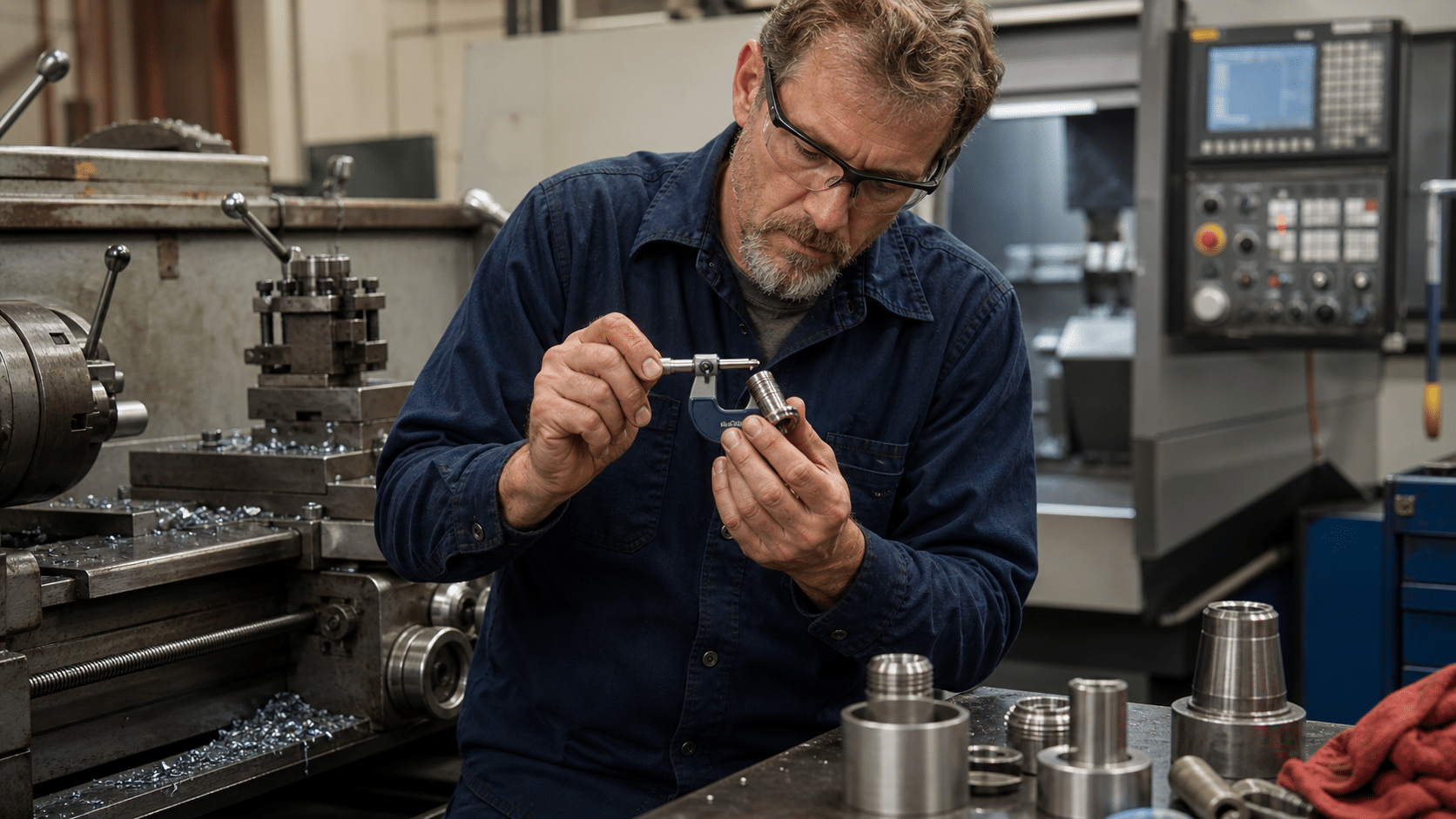
A production technician helps a manufacturing line produce consistent work. The job may involve setting up equipment, checking a process, recording measurements, solving a recurring stoppage, or handing a problem to maintenance or engineering with useful evidence. The title is broad, so the line, shift, product, and level of technical responsibility should be clear before applying.
The title is broad. One employer may mean an advanced production support role. Another may use it for a technician who runs a defined process. Read the duties before assuming the job is either entry-level assembly or engineering.
What does a production technician do?
Production technicians work close to the process. They may prepare materials, follow work instructions, adjust approved settings, inspect a first piece, collect data, update records and help investigate defects. In electronics, medical products or aerospace, traceability and controlled documentation can be central to the job.
| Area | Typical work |
|---|---|
| Process support | Follow parameters and identify drift |
| Equipment | Perform defined setup and basic troubleshooting |
| Quality | Measure output and isolate nonconforming product |
| Documentation | Record lots, settings, results and changes |
| Escalation | Give maintenance or engineering clear evidence |
Related roles
A production operator usually runs a defined station. A production technician may handle more setup, measurement and troubleshooting. A manufacturing technician often supports broader process or equipment work. A process technician may work with continuous production, chemicals or plant systems.
How do you enter the field?
Some employers accept a high school diploma and provide on-the-job training. Others prefer a certificate or associate degree in manufacturing, mechatronics, electronics, machining or a related field. Skills that help include blueprint reading, measurement, computer use, basic electrical and mechanical knowledge, and careful work under written procedures.
Ask a program which local employers hire graduates and what tools students use. A course with real equipment and measurement practice is more useful than a list of software names.
Pay and outlook
Production technician is not one universal BLS occupation. Depending on the work, the closest benchmark may be production workers, electro-mechanical technicians or industrial engineering technicians. The BLS reported a $40,110 median annual wage in May 2025 for production workers, all other, and $73,900 for electro-mechanical and mechatronics technologists and technicians. Those numbers describe different work and should not be blended into one promise.
Ask whether the offer is for operating a line, supporting equipment, testing products or improving a process. The answer will tell you which benchmark is closest.
Schedule and safety
Factories may use days, nights, rotating shifts, weekends or overtime during launches and shutdowns. Ask whether the schedule is fixed and how often technicians cover multiple lines.
Safety may involve machine guarding, hazardous energy, chemicals, heat, noise, repetitive motion or cleanroom rules. OSHA procedures apply to the actual equipment and hazards in the facility. Production pressure is not a reason to bypass a guard or skip isolation.
Is it a good change after 40?
The role can fit someone from maintenance, logistics, automotive work, construction, laboratory work or quality. Previous experience with tools, records and troubleshooting can help. You will still need to accept repetitive checks, computers, written procedures and a factory schedule.
Before paying for school, visit a plant or ask what new technicians do in the first six months. Compare the first wage, commute, shift, benefits and path to more technical work. Do not use a senior technician benchmark as a first-year guarantee.
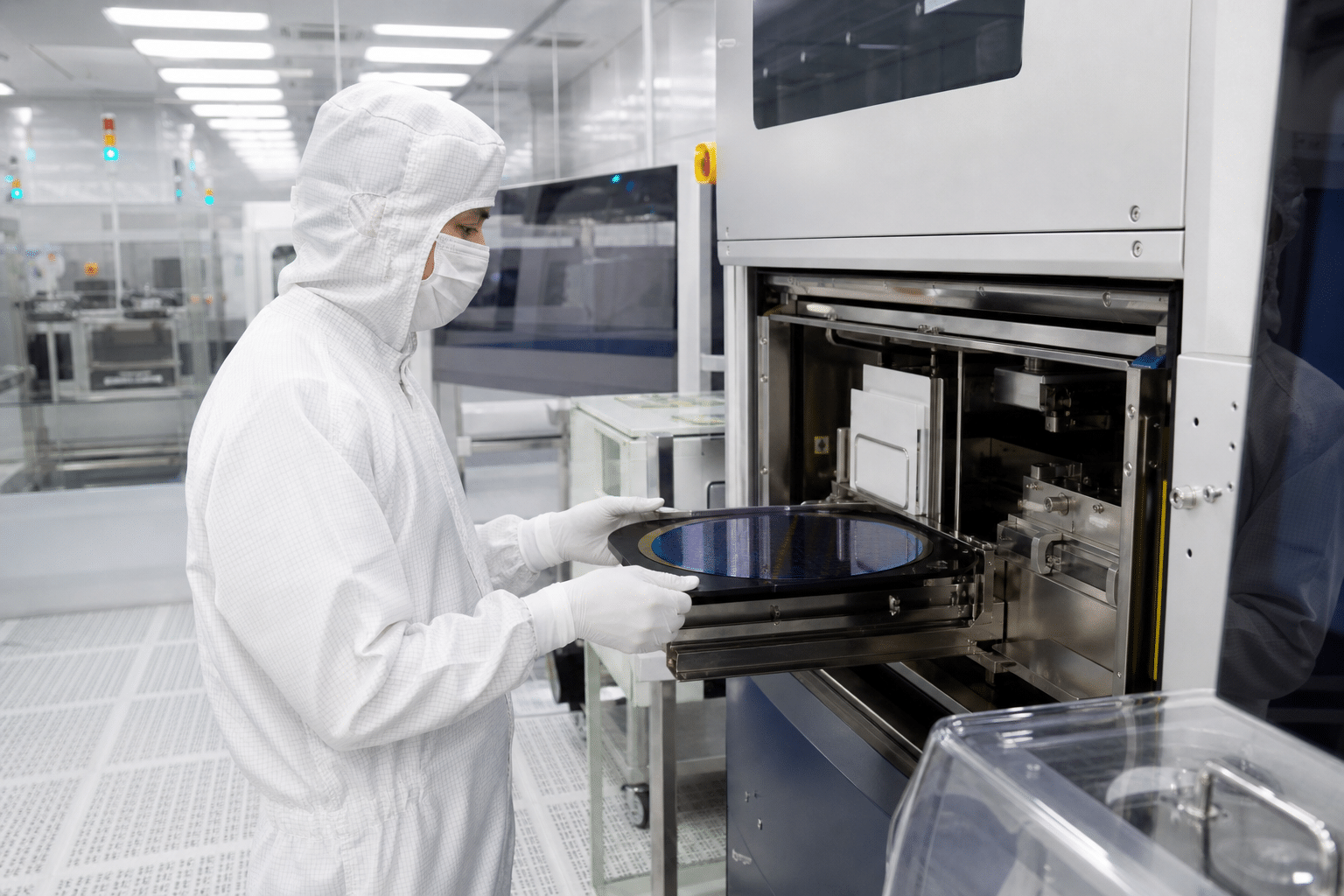
A line stop needs a disciplined response: The technician confirms what changed, checks the approved settings and material, records the symptom, and decides whether the issue belongs to production, maintenance, quality, or engineering. A quick restart is not a good result if the same fault returns an hour later.
Bottom line
Production technician can be a sensible doorway into manufacturing, quality, process support or automation. The best posting is specific about equipment, training, shift and progression. If the description is vague, ask questions before you count the salary.
Learn the line before chasing speed
A production technician should understand the product, process steps, quality checks, and stop conditions for the assigned line. During training, trace materials from receipt to finished unit and identify where labels, settings, tooling, or components can be mixed. Ask which decisions operators may make and which require quality, maintenance, or supervision.
Production records need accurate lot, batch, machine, time, and inspection information. Never backfill a check you did not perform. If a measurement is outside limits, protect the material and follow the nonconformance process. Hiding a small defect to keep output moving can create a larger recall or rework problem later.
Evaluate the real shift
Ask about standing, repetitive motion, lifting, noise, protective clothing, cleanroom rules, heat, shift rotation, mandatory overtime, and line-change duties. Tour while production is running. A quiet interview room does not show the pace, communication, or physical repetition of a normal shift.
Mechanical curiosity helps, but do not reach into equipment or bypass a guard to prove initiative. Learn safe clearing, changeover, inspection, and escalation procedures. Reliable technicians notice changes in sound, feed, alignment, temperature, or yield and report them with useful detail. That habit can open paths toward setup, quality, maintenance, or team leadership.
A good onboarding plan covers startup, shutdown, changeover, cleaning, inspection frequency, material traceability, and response to abnormal conditions. Ask whether trainees rotate through these tasks or remain at one station. Rotation can build process understanding, but only when instruction and qualification follow each move. Learn how the employer handles temporary workers and language differences around safety-critical steps. Clear visual standards and stop authority matter when a line runs quickly. Career changers should translate earlier experience into production evidence: following recipes or procedures, tracking inventory, recording quality checks, keeping a workstation organized, or communicating during shift changes. Avoid claiming machine expertise you do not have. It is more credible to explain how you learn a standard process and report deviations. Once hired, ask to see examples of an acceptable unit and common defects. Concrete examples reduce guesswork and help you recognize trouble before a full batch is affected.
Sources
- BLS: Production Occupations – production benchmarks and training context; checked September 2, 2026.
- BLS: Electro-mechanical and Mechatronics Technologists and Technicians – broader technical benchmark; checked September 2, 2026.
- OSHA: Control of Hazardous Energy – hazardous-energy principles; checked September 2, 2026.
Reviewed September 3, 2026: Production technician work varies by line, equipment, shift, and the boundary between production, maintenance, and quality. Ask local employers what beginners actually do and compare the role with manufacturing technician work.