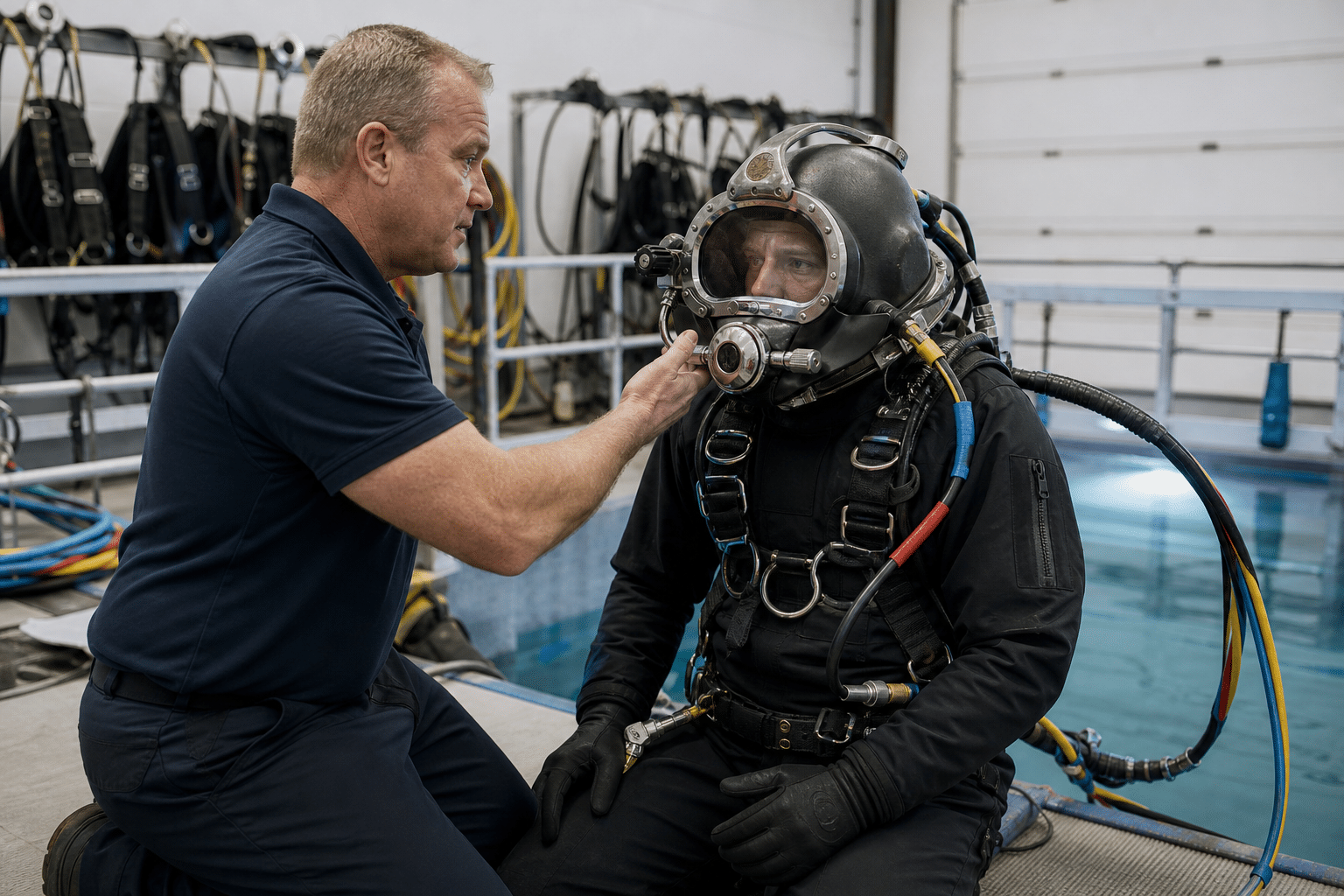
A marine mechanic maintains and repairs the engines, propulsion, fuel, cooling, electrical, and control systems used on boats. The work can happen in a shop, marina, boatyard, or onboard, with conditions that include confined spaces, water, heat, noise, corrosion, and urgent seasonal deadlines. The specialty suits someone who likes mechanical diagnosis but is comfortable with equipment that operates in a demanding environment.
The title can cover very different workplaces. A dealership may focus on scheduled service and customer repairs. A marina may handle seasonal maintenance and troubleshooting. A boatbuilder or commercial operator may expect more specialized systems knowledge. The job posting matters more than the title.
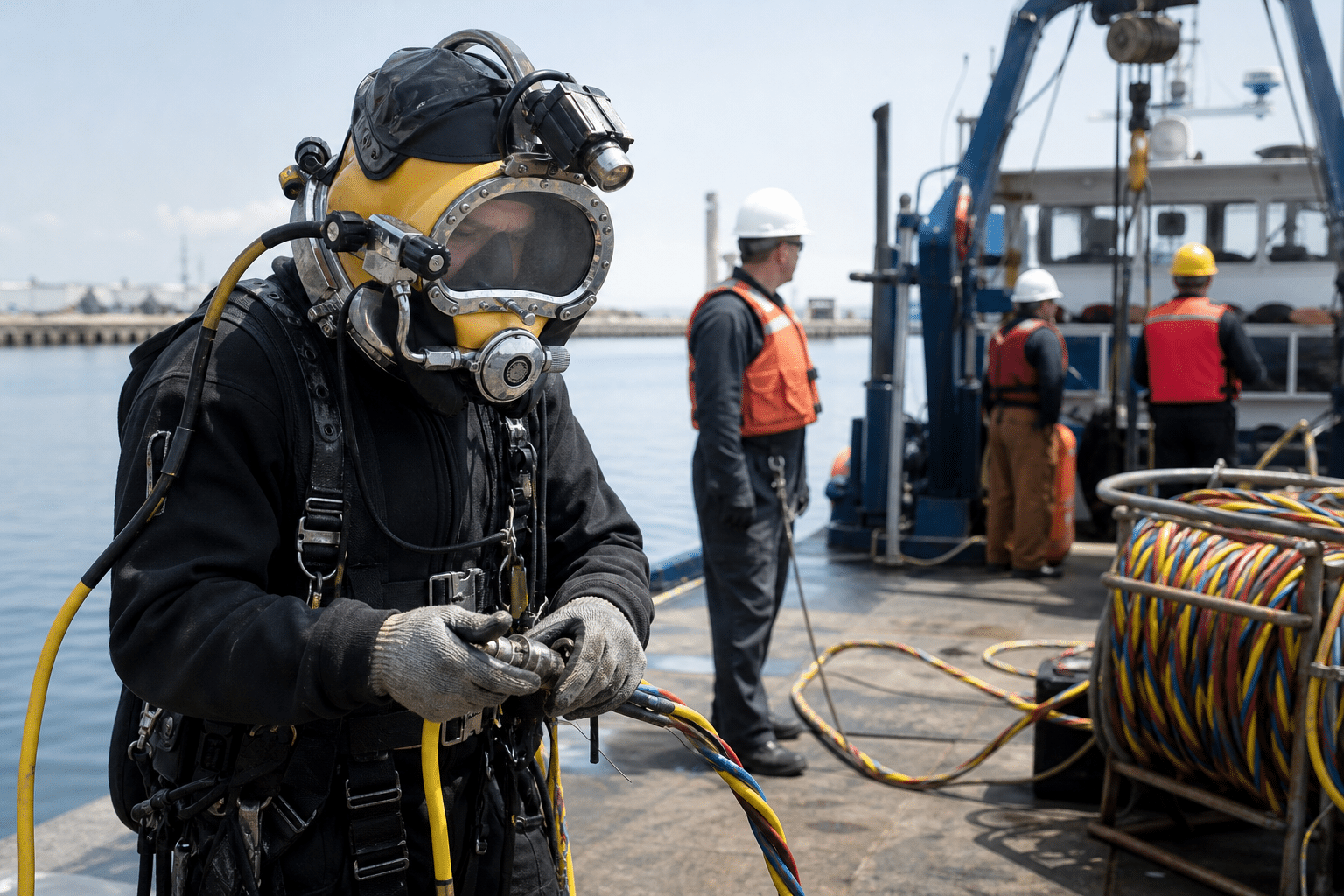
A complaint rarely names the failed part: An engine that will not start may have a battery, fuel, ignition, cooling, wiring, or control problem. The mechanic checks the symptom in a safe sequence, asks how the boat was being used, tests before replacing parts, and explains what the owner should monitor after the repair.
What does a marine mechanic do?
Routine work can include oil and filter changes, inspections, winterization, battery checks, cooling-system service, and replacement of worn parts. Diagnostic work may involve testing electrical circuits, checking fuel delivery, reading service information, and isolating a fault before replacing a component.
Marine mechanics also need to think about the environment. Salt water, moisture, corrosion, vibration, limited access, and long periods of storage can affect equipment. A repair is not finished when an engine starts; the technician must confirm that the system is assembled correctly, safe to operate, and documented for the customer or vessel operator.
This path shares skills with an automotive service technician, but the equipment and working conditions differ. Marine systems may combine mechanical, electrical, hydraulic, and propulsion components in a confined space.
Where do marine mechanics work?
Common employers include boat dealerships, marinas, independent repair shops, boatbuilders, charter operators, yacht-service companies, government fleets, and commercial marine businesses. Some roles are based in a shop. Others require travel to docks, storage yards, or customer vessels.
Seasonality is important. Workload may increase before boating season and during haul-out or winterization periods. Ask employers about the busy season, overtime, travel, weather exposure, and whether the role includes customer communication or sales support.
How do you become a marine mechanic?
People enter the trade through a marine-technology program, community college, manufacturer training, an apprenticeship-style employer program, or related mechanical experience. A high school diploma or equivalent is commonly useful, along with basic math, tool safety, and the ability to read service instructions.
Manufacturer training can matter because shops often specialize in particular engine families. Before choosing a course, compare hands-on lab time, diagnostic practice, electrical content, placement support, and the brands or systems covered. Local job postings are the best way to see what employers actually request.
O*NET classifies Motorboat Mechanics and Service Technicians as workers who repair and maintain motorboats, inboard and outboard engines, and related systems. That official occupation is a useful benchmark, but pay and duties still vary by vessel type, region, employer, and experience.
Skills that matter
- Mechanical troubleshooting and disciplined fault-finding.
- Basic electrical testing and comfort using a multimeter.
- Ability to follow manufacturer procedures and record completed work.
- Comfort working around water, fuel, batteries, noise, heat, and awkward positions.
- Clear explanations for owners, service writers, captains, or fleet managers.
- Willingness to keep learning as engines, controls, and emissions systems change.
Is marine mechanic a good second career after 40?
It can suit someone coming from automotive repair, industrial maintenance, small-engine repair, electrical work, equipment operation, or a hands-on hobby. Practical judgment, patience, and customer trust are valuable in a small shop, while larger employers may offer more structured training.
The tradeoffs include seasonal demand, physical work, occasional outdoor conditions, and responsibility for equipment that may be expensive or safety-critical. Spend time in a marina or service shop before enrolling in a program if you can. A short observation can reveal whether the environment matches your expectations.
Bottom line
A marine mechanic keeps boat engines and onboard systems dependable. It is a specialized mechanical path for adults who like diagnosis, tools, and practical work, especially when they are prepared for seasonal schedules and the effects of water and corrosion.
Match training to the boats in your market
Marine mechanic work changes with outboards, inboards, diesel engines, sterndrives, generators, and onboard systems. Survey nearby marinas and repair shops before choosing training. Note the engine brands, boat sizes, seasonal workload, and whether technicians handle electrical and fuel systems as well as mechanical repairs. Manufacturer training can matter once an employer’s fleet is clear.
Boat troubleshooting begins with the customer’s symptom and the conditions under which it occurs. Record engine hours, warning history, fuel condition, battery voltage, cooling flow, and recent work before replacing parts. Water, corrosion, poor connections, contaminated fuel, and earlier modifications can create faults that disappear in the shop.
Understand the working season
Some regions have intense spring commissioning and fall winterization periods, followed by slower months. Ask how hours change through the year, whether overtime is common, and what technicians do off-season. Also clarify dock work, sea trials, lifting, cramped engine spaces, heat, travel, and responsibility for moving customer boats.
Protecting the vessel is part of the job. Label disconnected wiring and hoses, cover finished surfaces, control spills, and document pre-existing damage. After repair, test under the conditions allowed by the shop and explain any remaining limitation. A clean installation and accurate service note build trust just as surely as a successful engine repair.
For a practical skills test, expect fundamentals rather than a glamorous rebuild. A shop may ask you to identify components, use a meter, check compression, inspect a cooling system, read a service manual, or explain a safe starting sequence. Say what you would verify before ordering parts. If you lack experience with a specific engine, explain how you would use the manufacturer’s information and supervision. Tool ownership also needs a budget. Ask which specialty tools, scan systems, lifting equipment, and service subscriptions the shop supplies. Marine parts and procedures vary by brand, and buying everything independently can erase the advantage of an entry wage. Finally, ask how quality is checked before a boat returns to the customer. Dock testing, leak checks, sea trials, and final documentation should follow a defined process. A rushed handoff can turn a minor repair into an on-water breakdown.