A nuclear technician supports work involving radiation, nuclear materials, reactors, or radiation-detection equipment. Depending on the employer, the job may involve plant monitoring, instrument maintenance, laboratory research, dosimetry, contamination control, or radioactive-waste records. It is a specialized field with strict procedures and screening, so the facility, clearance requirements, and training route need to be confirmed early.
What does a nuclear technician do?
The work changes by setting, but common duties include:
| Setting or task | What it can involve |
|---|---|
| Radiation monitoring | Measure radiation levels and check for contamination |
| Instrumentation | Set up, calibrate, maintain, and operate detection equipment |
| Power generation | Help monitor reactor systems and plant equipment |
| Laboratory work | Support experiments, samples, calculations, and records |
| Waste management | Monitor storage, handling, treatment, or disposal processes |
| Safety documentation | Follow procedures and report readings or abnormal conditions |
The title does not mean every technician operates a reactor. Nuclear power reactor operators are a separate occupation with different training and licensing requirements. Read the employer’s job description carefully.
How do you become a nuclear technician?
The Bureau of Labor Statistics says nuclear technicians typically need an associate degree in nuclear science or nuclear-related technology. Some enter with a high school diploma or postsecondary certificate plus relevant experience, including military or apprenticeship experience. Employers provide additional training after hiring.
Useful subjects include radiation protection, mathematics, physics, chemistry, electronics, instrumentation, computers, and technical writing. Experience as an instrumentation technician, electronics technician, laboratory worker, or power plant operator may help, but it does not replace site qualification.
What is radiation safety like?
Radiation work is controlled through training, monitoring, access rules, protective measures, and documented procedures. Workers may wear dosimeters and follow strict instructions about time, distance, shielding, contamination control, and reporting. A job may also require background checks, medical screening, drug testing, or security clearance.
Do not treat a general technical certificate as permission to work around radioactive material. Requirements depend on the facility, material, regulator, and role. Ask who provides the training and what qualifications are required before accepting an offer.
What is the work environment like?
Nuclear technicians work in power plants, laboratories, waste facilities, government sites, or engineering organizations. Plant jobs may include nights, weekends, holidays, and overtime. Laboratory roles may have more regular hours, although experiments and outages can change schedules.
The work can be physically active during rounds or equipment checks, but it also requires long periods of concentration and careful recordkeeping. Reliability matters. A missed reading or vague handoff can affect the next decision.
Nuclear technician pay and outlook
The BLS reports a median annual wage of $110,240 for nuclear technicians in May 2025. It projects 1% growth from 2025 to 2035, with about 900 openings per year. The occupation is small, and openings are concentrated in particular facilities and regions.
This is a national benchmark, not a guaranteed first salary. Pay varies with power generation, waste management, research, government employment, shift work, clearance, and experience.
Is it a good second career after 40?
It may fit someone with a technical background who is comfortable with rules, documentation, and ongoing training. Military electronics, maintenance, laboratory work, instrumentation, and power-plant experience can be relevant. The field is less flexible geographically than a general technician career because suitable facilities are limited.
Before enrolling, identify nearby employers and ask what degrees, screening, shift patterns, and site qualifications they require. Treat the wage benchmark as one part of the decision, not the whole case.
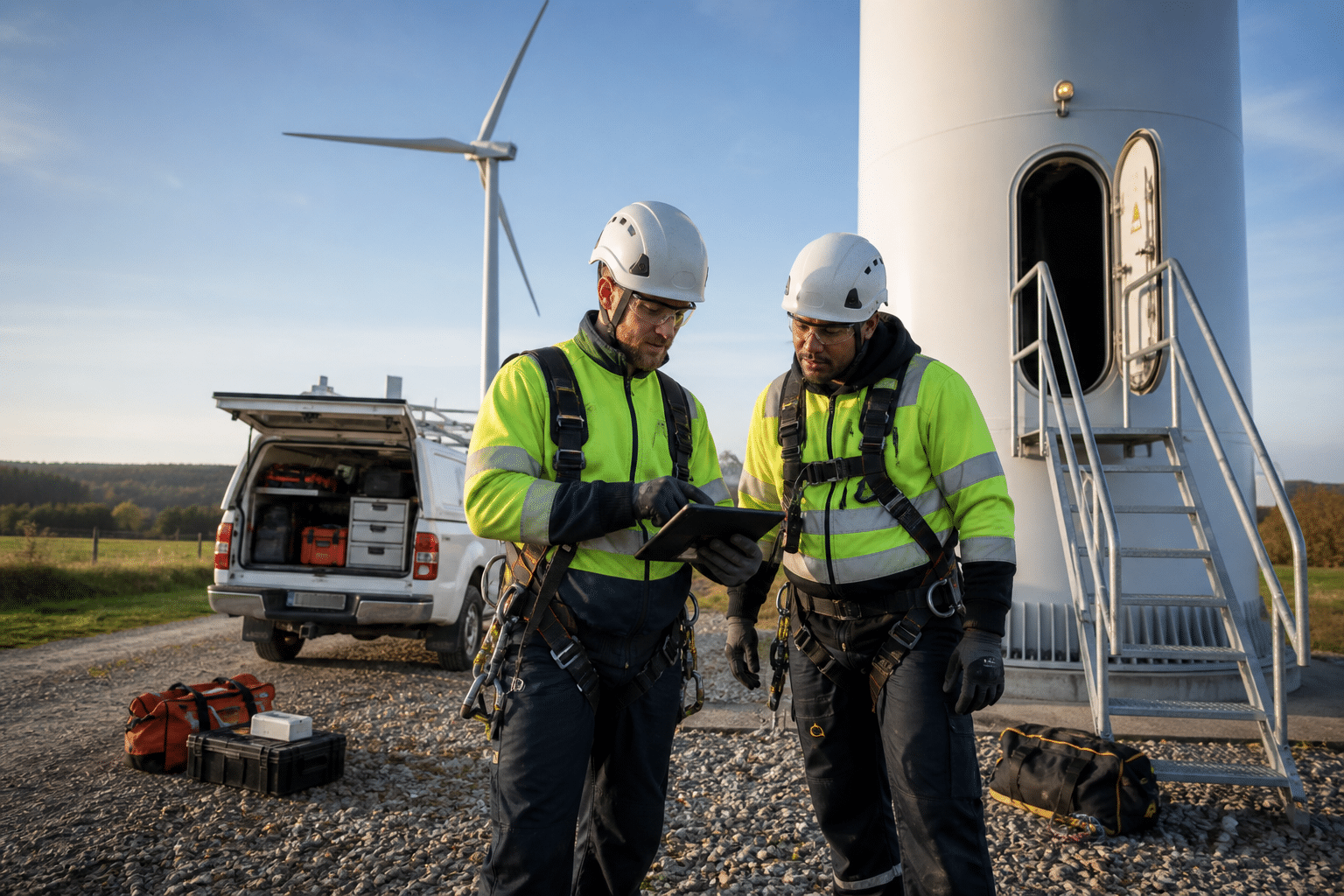
Procedure discipline is part of the technical skill: A technician may investigate an unusual instrument reading, verify the detector, check the work area, review the operating condition, and notify the responsible supervisor before taking further action. The work rewards people who can follow a controlled process even when the situation is unfamiliar.
Bottom line
Nuclear technicians work around specialized equipment and strict safety systems. An associate program can be a common entry route, but the employer’s training and qualification process remains central. Choose the field only after checking the local facilities, screening requirements, and radiation-safety expectations.
Related guides: Energy Auditor: Duties, Training, Pay and Career Fit and Chemical Plant Operator: Duties, Training, Pay and Career Fit.
Know the facility and qualification boundary
Nuclear technician is a broad title covering operations support, radiation protection, chemistry, instrumentation, maintenance, laboratory work, or research. Ask which facility, systems, materials, and regulatory program define the job. Employers use formal qualification processes because authorization on one task or site does not transfer automatically to another.
Procedure use is a working skill. Confirm prerequisites, correct revision, component identity, hold points, required communications, and expected results before acting. If plant conditions do not match the procedure, stop and use the approved resolution path. Quietly adapting a step to make the job fit can create a configuration or safety problem that is difficult to reconstruct later.
Assess the schedule and accountability
Ask about rotating shifts, outages, overtime, protective clothing, dosimetry, medical or security requirements, and recurring examinations. Documentation must be exact: times, readings, samples, instrument status, and independent checks may all matter. Career changers who are comfortable with rules and peer verification can fit well, but should expect continuing qualification and direct feedback rather than informal learn-as-you-go work.
Human-performance tools may include peer checks, three-way communication, place-keeping, pre-job briefs, and post-job reviews. Treat them as practical defenses, not slogans. Use the exact component identifier, repeat critical information, and resolve disagreement before proceeding. If interrupted, return to a verified step rather than relying on memory. These habits matter even during routine work because familiar tasks can encourage assumptions. Ask how the organization responds to self-reported mistakes or near misses. A strong learning culture investigates the condition and improves barriers while still maintaining accountability. A weak culture teaches people to hide uncertainty. For someone entering the field after 35, willingness to ask a basic question and accept formal correction is more useful than trying to appear comfortable in an unfamiliar facility.
Use post-job reviews to record unexpected conditions and improve the next brief. A quiet completion can still reveal confusing labels, awkward access, or assumptions worth correcting.
Sources
- U.S. Bureau of Labor Statistics: Nuclear Technicians
- U.S. Nuclear Regulatory Commission: Radiation Protection
- OSHA: Occupational Safety and Health Administration
Reviewed September 3, 2026: Nuclear technician work is highly dependent on the employer, facility, radiation controls, screening, and procedures. Ask about the setting and training requirements before treating the title as a general technician job. Compare it with power plant operations.