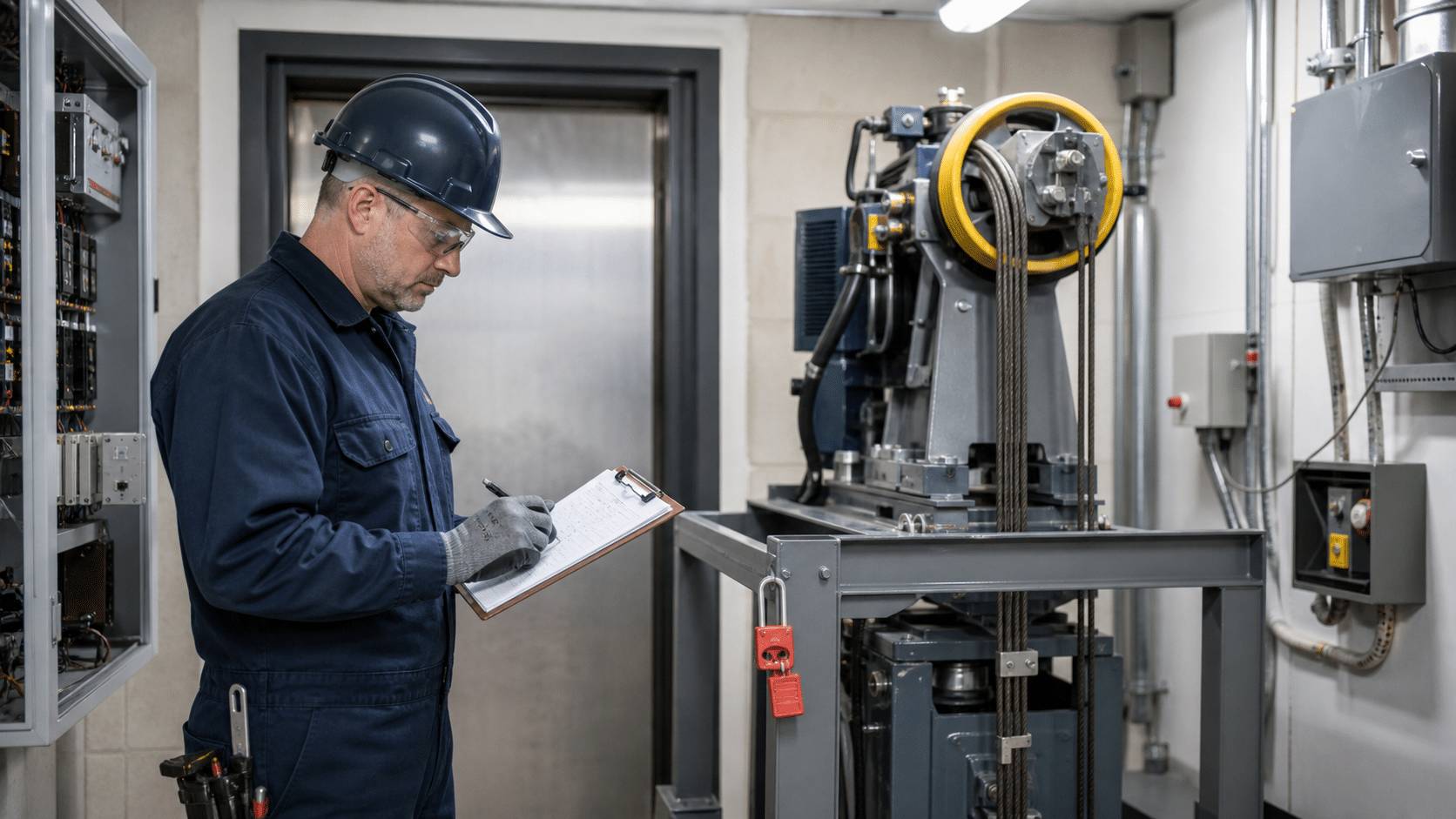
A maintenance mechanic keeps production equipment working by diagnosing failures, making repairs, and completing preventive tasks. The work can involve motors, bearings, conveyors, pumps, gearboxes, hydraulics, and other machinery. It is broader than changing parts: the mechanic needs to make the repair safely, understand why the failure occurred, and leave useful records for the next shift.
What does a maintenance mechanic do?
The title varies by employer. One factory may call the role an industrial machinery mechanic. Another may use maintenance mechanic, maintenance technician or industrial maintenance technician. The equipment can include conveyors, pumps, compressors, packaging machines, hydraulic systems, motors and basic controls.
Typical work includes preventive inspections, lubrication, mechanical repair, electrical checks, troubleshooting, alignment, reading manuals and documenting work orders. Some jobs are mostly mechanical. Others expect comfort with sensors, PLC fault screens and motor controls.
Maintenance mechanic vs related jobs
| Role | Main focus |
|---|---|
| Maintenance mechanic | Repair and maintain equipment during production and planned shutdowns |
| Maintenance planner | Prepare work packages, parts and schedules rather than perform most repairs |
| Millwright | Install, align and maintain large industrial machinery, often through apprenticeship |
| General maintenance worker | Handle a wider mix of building and basic repair tasks |
| Controls technician | Diagnose automation, sensors, PLCs and control systems |
Our industrial maintenance technician guide covers a broader route. The maintenance planner guide is a better match if you prefer organizing work to turning wrenches.
How do you become one?
Many employers start with a high school diploma and hands-on training. A community college certificate can help with industrial electricity, mechanical systems, hydraulics, welding, blueprint reading and programmable controls. An entry-level helper or machine operator role can also lead into maintenance if the employer provides supervised training.
The BLS groups much of this work under industrial machinery mechanics, machinery maintenance workers and millwrights. The exact title on a job posting matters less than the equipment, training and supervision attached to it.
Before paying for school, ask employers what they test. Some want electrical troubleshooting. Others care more about bearings, welding, hydraulics, facilities systems or computerized maintenance software.
Pay and outlook
The BLS reported a $64,100 median annual wage in May 2025 for industrial machinery mechanics, machinery maintenance workers and millwrights. Industrial machinery mechanics had a $64,520 median in the detailed table. These are occupation benchmarks, not a guaranteed starting wage for every maintenance mechanic.
Employment for the combined group is projected to grow 14 percent from 2025 to 2035, with about 51,900 openings per year on average. Many openings will replace workers who retire or move to another occupation.
| Question | Why it changes the offer |
|---|---|
| Is the job in manufacturing or field service? | Equipment, travel and overtime can differ |
| Is electrical troubleshooting required? | Broader skill coverage can improve eligibility |
| Is the shift fixed? | Nights, weekends and call-ins may add premiums |
| Are tools and training provided? | Out-of-pocket cost affects real pay |
Safety is part of the job
Maintenance work often involves stored electrical, hydraulic, pneumatic or mechanical energy. OSHA’s lockout/tagout rules require employers to control hazardous energy during servicing. A job that rushes past isolation procedures is not a good shortcut to a new career.
Ask how the employer handles lockout/tagout, confined spaces, machine guarding, hot work and emergency call-ins. The safest mechanic is not the one who works fastest while bypassing a control.
Is it a good change after 40?
Maintenance can reward people who already understand tools, facilities, machinery, vehicles, electronics or structured troubleshooting. The hard part may be the schedule. Plants often run continuously, and a repair role can include nights, weekends, shutdowns or on-call work.
Try to observe the workplace before enrolling in a course. Notice the noise, walking, lifting, awkward positions and pace. Then compare the first realistic wage, training cost, commute and shift with your current income. Do not use the BLS median as a promise for month one. The career change at 40 roadmap can help structure that decision.
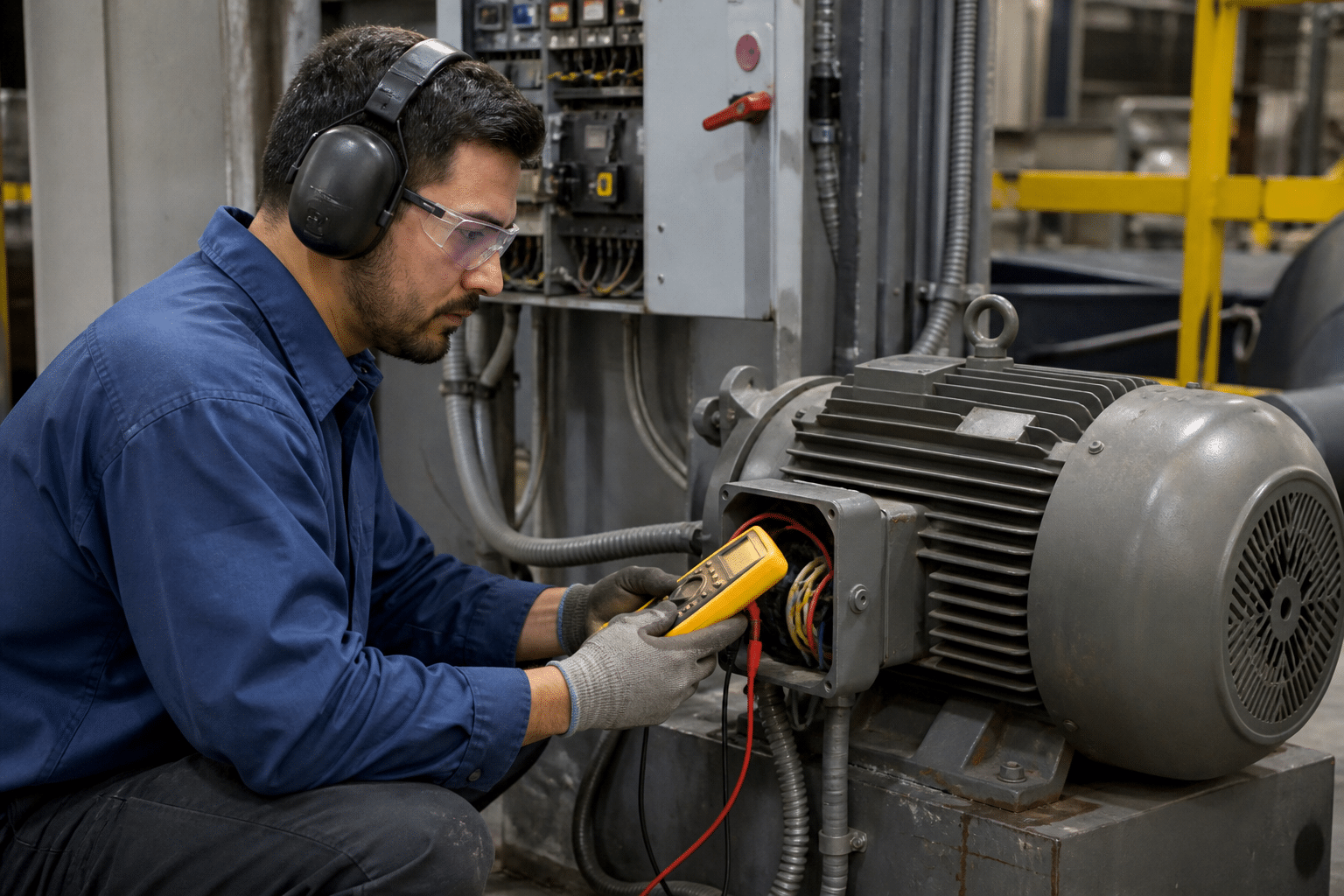
A repair is only part of the job: If a bearing fails repeatedly, the mechanic may need to check alignment, lubrication, loading, vibration, installation, and the maintenance history. Replacing the bearing without checking the cause can put the same machine back on the breakdown list a week later.
Bottom line
Maintenance mechanic is a practical route for someone who likes diagnosing real equipment and learning across mechanical and electrical systems. Choose it when you want hands-on repair work. Choose maintenance planning or controls instead if your strengths sit more in scheduling or automation logic.
How a maintenance mechanic thinks through a breakdown
When a machine stops, the pressure to act quickly is real. The stronger mechanics do not respond by swapping parts until something works. They start with the information available: what changed, which alarm appeared, what the operator saw, whether the equipment is safe to inspect, and what the manual or drawing says should happen next.
That habit can be learned. A beginner may begin with lubrication, inspections, simple repairs, and preventive tasks while working beside someone more experienced. Over time, they learn to spot a worn bearing, a loose chain, an air leak, or a pattern in repeated failures. Good notes matter because the next shift needs to know what was checked and what remains unresolved.
Ask an employer whether the role is mostly reactive repair or includes planned maintenance and root-cause work. Both are necessary, but a job that never gives time to learn from failures can become exhausting. The maintenance planner guide shows the planning side of the same system and may help you see where you would like to grow.
- BLS: Industrial Machinery Mechanics, Machinery Maintenance Workers, and Millwrights – pay, duties, training and outlook; checked September 2, 2026.
- OSHA: Control of Hazardous Energy – lockout/tagout principles; checked September 2, 2026.
- Apprenticeship.gov – registered apprenticeship and OJT routes; checked September 2, 2026.
Reviewed September 3, 2026: Maintenance mechanic work rewards diagnosis as much as repair. Ask about motors, pumps, conveyors, hydraulics, controls, and the shift schedule before choosing training. Compare it with industrial maintenance technician work.
Pay attention to the spare-parts process as well. A mechanic who can identify the right part, record the failure, and leave the area ready for the next shift prevents a small repair from becoming tomorrow’s shutdown.