Electrician vs HVAC Technician: Training, Pay and Job Fit
Electricians and HVAC technicians both work with equipment, controls, and electrical safety, but their main problems are different. Electricians build and maintain power and wiring systems. HVAC technicians diagnose heating, cooling, airflow, refrigeration, and the electrical parts that make those systems operate. Work setting and service calls matter as much as the title.
That overlap can make HVAC feel like a broader mechanical-and-electrical path. It can also make the choice harder. The right question is not which trade sounds more impressive. It is which systems you want to diagnose, which work settings you can handle, and what kind of training and schedule fit your life.
Compare the service call: An electrician may identify a tripped control circuit, test conductors, replace a component, and verify safe operation. An HVAC technician may measure airflow, check a contactor, read system pressures, and confirm a heating or cooling sequence. Both use tools, but the diagnostic routine is not the same.
At a glance
| Factor | Electrician | HVAC technician |
|---|---|---|
| Main work | Wiring, circuits, power, controls, equipment, and electrical systems | Heating, cooling, ventilation, refrigeration, controls, and related electrical systems |
| Common entry routes | Helper work, employer training, trade school, or apprenticeship | Helper work, employer training, technical school, or apprenticeship |
| First paid role | Usually supervised installation, maintenance, or service work | Usually supervised installation, maintenance, service, or change-outs |
| Credential questions | State or local apprentice, journeyman, master, or contractor rules may apply | EPA Section 608 may apply to refrigerant work; state or local licensing may also apply |
| Work settings | Homes, commercial buildings, factories, construction sites, and service calls | Homes, commercial buildings, rooftops, attics, mechanical rooms, shops, and service calls |
| Work rhythm | Project work, maintenance, troubleshooting, and scheduled service | Seasonal demand, scheduled maintenance, installations, troubleshooting, and emergency service |
| Useful strengths | Testing, diagrams, precise work, patience, and electrical troubleshooting | Mechanical curiosity, diagnostics, customer communication, comfort with heat or cold, and electrical basics |
The actual job depends heavily on the employer. A commercial electrician may spend most of the week in a large building. A residential HVAC technician may spend the day driving between homes, entering attics, and explaining repairs to customers.
Electrician vs HVAC: what the work feels like
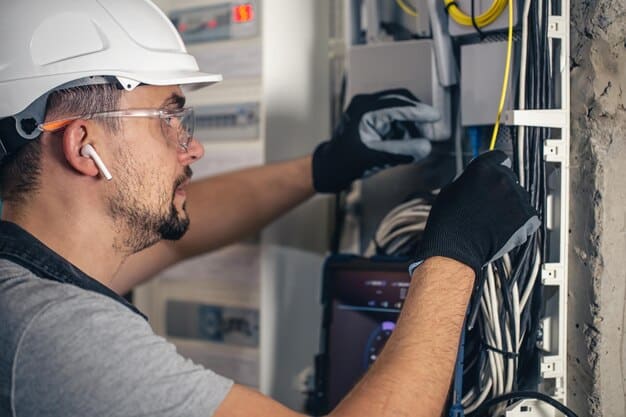
Electrical work often starts with a question: where is the fault, and what can be tested safely? You may read a diagram, use test equipment, install or repair components, pull cable, terminate connections, or check that a system meets the required standard. The work rewards methodical thinking. Rushing can create a dangerous mistake.
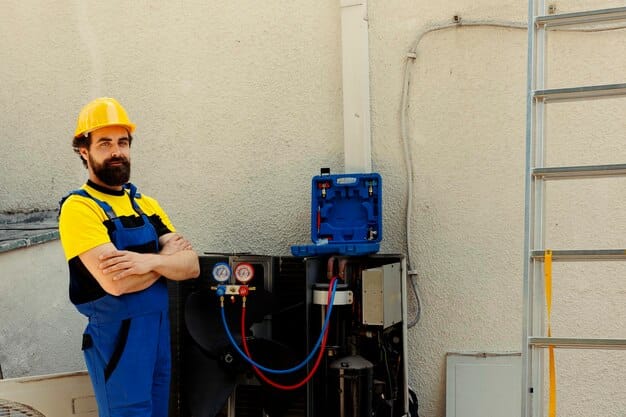
HVAC work asks a similar diagnostic question, but the system has more moving and changing parts. A technician may check airflow, electrical controls, motors, sensors, temperature, pressure, combustion, or refrigerant-related components. One call may be a straightforward maintenance visit. Another may involve a system that fails only when the weather is at its worst.
HVAC is not simply "electrician work plus air conditioning." The trade adds refrigeration concepts, mechanical components, airflow, combustion or heat-transfer questions, and customer explanations about comfort and operating cost. Electrical knowledge helps, but it does not replace HVAC-specific training.
Training and the first paid job
Both careers can begin before you are fully trained. An employer may hire a helper or trainee and teach basic tasks under supervision. A technical school can give you structured practice before applying. An apprenticeship can combine paid work with related instruction and a clearer progression.
The difference is what you need to learn first. An electrical trainee may begin with tools, jobsite safety, materials, diagrams, and supervised installation. An HVAC trainee may need those basics plus refrigerant safety, airflow, equipment sequence, electrical troubleshooting, and the specific systems used by the employer.
Before enrolling in a program, ask:
- How much time is spent on real equipment rather than demonstrations?
- Does the program teach the systems local employers actually service?
- Which credentials or exams does it prepare you for?
- Does it include EPA Section 608 preparation if refrigerant work is part of the goal?
- What costs sit outside tuition: tools, books, PPE, exam fees, transport, or uniforms?
- Can graduates show where they found work and what tasks they perform?
A school certificate may help you get an interview. It does not automatically satisfy a state license requirement or make you ready to work alone. Treat the first paid job, defined task competence, certification, and independent responsibility as separate milestones.
EPA Section 608 and local licensing
HVAC has an extra federal checkpoint that many people miss. Technicians who handle regulated refrigerants generally need the appropriate EPA Section 608 certification. The certification question is separate from state or local permission to perform HVAC work, supervise employees, pull permits, or operate as a contractor.
Electricians do not use EPA Section 608 as their main credential. Their legal path may involve apprentice registration, supervised hours, journeyman or master licensing, exams, permits, and contractor rules. The exact structure varies by state and locality.
The two trades can overlap on controls and equipment, but you should not assume one license covers the other. Ask the employer which tasks you may perform at each stage, who supervises you, and which authority issues the credential. Check the official state or local website before paying for a course based on a broad marketing claim.
Electrician vs HVAC salary: compare the whole offer
Search results often make this decision look like a contest between two annual numbers. That is a weak way to compare the careers. National wage figures cover broad occupational groups, while an entry-level offer depends on location, employer, hours, specialty, benefits, and how much supervision you still need.
HVAC work may bring seasonal peaks, emergency calls, or overtime during extreme weather. Electrical work may bring project-based hours, commercial schedules, shutdowns, or travel. A higher annual total can reflect more overtime rather than a higher base wage.
Use this checklist when comparing an electrician and HVAC offer:
| Offer item | Question to ask |
|---|---|
| Base rate | Is the amount hourly, salaried, or tied to billable work? |
| Hours | What were the typical weekly hours during the last slow period? |
| Overtime | Is it predictable, optional, seasonal, or expected? |
| On-call work | How often are nights, weekends, or emergency dispatches required? |
| Travel | Is driving between jobs paid, and who pays mileage or lodging? |
| Tools | Which tools, meters, ladders, boots, and safety equipment must you provide? |
| Training | Does the employer pay for licenses, EPA exams, continuing education, or manufacturer training? |
| Benefits | What do health coverage, retirement, leave, and holidays cost you? |
| Progression | What skill or time milestones lead to the next pay step? |
For self-employment, neither trade offers a shortcut around business costs. Revenue must cover vehicles, tools, insurance, permits, materials, software, taxes, advertising, unpaid estimates, and callbacks. HVAC businesses may also carry recovery equipment, refrigerant-related costs, and seasonal cash-flow problems. Electrical businesses face their own equipment, compliance, vehicle, and liability costs.
Physical demands and schedule
Electrician work can involve ladders, kneeling, overhead reaching, pulling cable, carrying equipment, unfinished buildings, heat, and outdoor work. The physical mix can change a lot between residential construction, commercial maintenance, industrial work, and controls.
HVAC work can involve lifting equipment, climbing ladders, crawling through attics or crawlspaces, kneeling, reaching, driving, and working in heat or cold. Installation is often more physically demanding than some maintenance or diagnostic roles, but service work can bring awkward access and urgent schedules.
After 40, ask for a job description that describes the ordinary week, not the best part of the trade. How often are technicians on rooftops? How much lifting is done by two people or with equipment? How much time is spent driving, crouching, working overhead, or talking with customers? Does the company rotate tasks and plan jobs safely?
If you prefer controlled indoor work, commercial electrical maintenance or building controls may deserve a closer look. If you like changing problems, mechanical systems, and customer diagnosis, HVAC service may be a better match. Neither path guarantees a comfortable schedule.
Which trade fits your strengths?
Electrician work may be the better fit if you enjoy diagrams, testing, precise installation, and tracing a fault through a system. You may also prefer the clearer separation between electrical systems and other building trades. Local licensing still matters, especially if your long-term goal is independent contracting.
HVAC may fit better if you want to combine electrical troubleshooting with mechanical systems, airflow, temperature, refrigeration, and customer service. The work can offer several directions: residential service, commercial maintenance, refrigeration, controls, installation, or equipment sales and support. Each direction has a different training and schedule profile.
Your previous experience can help in either trade. Maintenance, facilities, industrial equipment, construction, customer service, logistics, and technical documentation are useful starting points. They do not replace supervised trade experience or required credentials, but they can help you communicate clearly and learn the workplace faster.
A practical decision process
Find one real job posting or interview answer for each trade in the area where you plan to work. Record the base wage, hours, commute, tools, training support, credential checkpoints, and physical demands. Then compare the transition with your household budget rather than with a national salary headline.
If possible, shadow both kinds of work. Pay attention to the middle of the day: setup, driving, waiting for access, cleanup, paperwork, customer explanations, and the tasks that repeat. That is often more revealing than watching a technician solve one interesting problem.
Read our electrician career guide and HVAC career guide. Then compare the electrician salary guide with HVAC technician salary and career progression. For training timelines, see how long it takes to become an HVAC technician. For the physical side, read electrical work after 40 and HVAC work after 40.
Sources and date checked
- U.S. Bureau of Labor Statistics: Electricians, checked August 30, 2026.
- U.S. Bureau of Labor Statistics: Heating, Air Conditioning, and Refrigeration Mechanics and Installers, checked August 30, 2026.
- U.S. Environmental Protection Agency: Section 608 Technician Certification, checked August 30, 2026.
- Apprenticeship.gov: Career Seekers, checked August 30, 2026.
- CareerOneStop: Salary Finder, checked August 30, 2026.
For both electrical and HVAC work, pay, licensing, training access, and permitted duties depend on the location and employer. Check the current requirements with the proper authority and speak with local employers before funding a program or resigning from your present job.
\n
Reviewed September 3, 2026: Electrician and HVAC jobs can overlap around controls and equipment, but the training and licensing path is different. Compare the first-job route with electrician apprenticeships and HVAC apprenticeships.