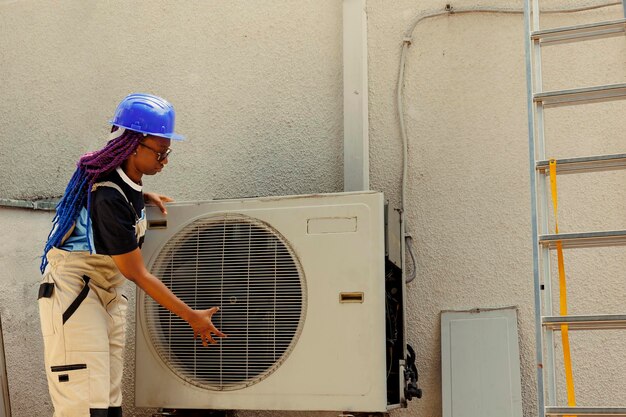
HVAC work can be physically demanding after 40, but installation, service, maintenance, commercial work, and refrigeration place different demands on the body. One job may involve attics and lifting; another may involve driving, kneeling, troubleshooting, or climbing rooftops. Evaluate the recurring tasks and the employer’s controls rather than relying on a simple hard-or-easy label.
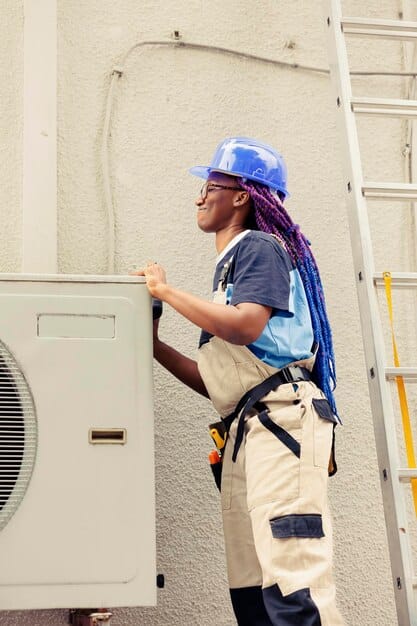
The useful question is not simply whether HVAC is “hard.” It is which tasks you will do repeatedly, how the crew handles them, and whether the work fits your current capacity. The Bureau of Labor Statistics lists awkward or cramped spaces, outdoor work, heavy equipment, burns, chemical hazards, and muscle strains among the issues technicians may face.
Break the day into tasks: Installing an attic unit may mean lifting, crawling, and working in heat. A commercial maintenance role may involve ladders, panels, filters, and repeated service calls. Ask how often those tasks occur and what equipment the crew uses to reduce lifting or awkward access.
Where the physical load comes from
| Task or setting | Possible strain or exposure | Question to ask before accepting |
|---|---|---|
| Attic or crawlspace service | Kneeling, crouching, heat, limited room, and difficult exits | How often are new technicians assigned to these spaces? |
| Rooftop or outdoor work | Ladders, weather, carrying tools, and prolonged standing | How are tools and equipment moved to the work area? |
| Equipment installation | Lifting, awkward grips, sheet metal, and overhead work | What lifting help or team procedures are available? |
| Service calls | Driving, kneeling, reaching, testing, and customer deadlines | How much of the day is travel, diagnosis, and repair? |
| Refrigeration | Cold environments, pressurized systems, and specialized PPE | Which refrigerants and work environments are involved? |
These conditions are not present in every HVAC job. That is why a job shadow or detailed conversation with the supervisor is worth more than a generic promise that the work is “light” or “heavy.”
Installation usually feels different from service
Installation often involves moving equipment, cutting and fitting materials, climbing, sealing connections, and working at a new jobsite each day. New construction may expose you to unfinished floors, heat, dust, and changing weather. Replacement work in homes can involve stairs, tight closets, occupied rooms, and customer communication.
Service and maintenance can involve less material movement, but they still require kneeling, crouching, reaching behind equipment, carrying a tool bag, and working in spaces that were not designed for a person. Emergency calls can add time pressure and uncomfortable conditions because a heating or cooling system may have failed at the worst possible moment.
Commercial work is not automatically easy. Large buildings can mean rooftops, ladders, mechanical rooms, travel between sites, and equipment that requires a team. Planned maintenance may offer a steadier rhythm than emergency service, but the body positions still matter.
Heat, cold, electricity, and refrigerants
HVAC combines physical work with hazards that require training. The BLS notes potential burns from electrical parts or chemicals, strains from heavy equipment, and the need for proper lifting technique and protective equipment.
EPA Section 608 rules apply to technicians who service equipment that could release regulated refrigerants. Certification is a legal requirement for the covered work, not a guarantee that a job is physically safe. Ask what training is provided for refrigerants, electrical isolation, pressure, hot surfaces, and protective equipment.
Do not treat a cramped space, chemical exposure, or electrical hazard as a test of toughness. A responsible crew explains the procedure, provides the required equipment, and stops when the task cannot be done safely. If a supervisor tells you to work around a known hazard without the right controls, that is useful information about the employer.
Ways a good crew reduces avoidable strain
The exact controls depend on the work, but useful questions include:
- Can two people move the equipment, or is a cart, lift, or other aid available?
- Are tools staged close to the work instead of carried up and down repeatedly?
- Does the team use recovery time, water, shade, or schedule changes during extreme heat?
- Are ladders, platforms, and fall-protection systems inspected and used correctly?
- Is there a clear procedure for electrical isolation and refrigerant handling?
- Are new workers paired with someone experienced in tight spaces and rooftop work?
These are workplace questions, not personal medical instructions. Your employer should identify hazards and train you on the controls that apply to the job.
What to check during a job shadow
Watch the work for a full shift if possible. Notice how often technicians kneel, climb, lift, reach overhead, crawl, or work in direct sun. Notice the pace too. A task that feels manageable for ten minutes may feel different when repeated across several calls.
Ask whether the company mainly installs, repairs, or maintains. Ask where the work happens in winter and summer. Ask how often technicians are on call, whether they work alone, how travel between jobs is handled, and who helps with heavy equipment.
If the employer will not allow a job shadow, request a detailed description of a normal day and a difficult day. You do not need every detail to decide, but you do need more than a job title.
The after-40 decision
Starting HVAC after 40 is possible, but the income plan and the physical plan should be considered together. Your background in maintenance, electrical work, facilities, troubleshooting, customer service, or project coordination may help you progress. It does not make a physically demanding task disappear.
Look for work settings that match your strengths. Planned maintenance, controls, estimating, dispatch, technical sales, training, or commercial service may have a different mix of field work and physical demand than residential replacement installation. These roles still require real HVAC knowledge, so they are usually progression options rather than shortcuts around learning the trade.
If you have a current injury, diagnosed condition, or specific concern about a task, ask a qualified medical professional for advice about your situation. A general career article cannot determine whether your body can safely perform a particular job.
Bottom line
HVAC can be hard on the body, especially in installation, attic, crawlspace, rooftop, and emergency work. It can also be a better fit in maintenance, controls, or service roles with a different task mix. Compare the actual crew, equipment, schedule, and safety practices before you pay for school or leave your current job.
Read How to Become an HVAC Technician for entry routes and How Long Does It Take to Become an HVAC Technician? for the training calendar. Our plumber physical demands guide offers a useful comparison with another field trade.
Sources and date checked
- U.S. Bureau of Labor Statistics: Heating, Air Conditioning, and Refrigeration Mechanics and Installers, checked August 30, 2026.
- U.S. Environmental Protection Agency: Section 608 Technician Certification Requirements, checked August 30, 2026.
- OSHA: Heat, checked August 30, 2026.
This HVAC guide offers general information about working conditions. It is not personal medical advice, and technicians must follow the safety training and procedures of their employer.
\n
Reviewed September 3, 2026: HVAC physical demand changes by setting. Attic, rooftop, service, installation, and maintenance work do not feel the same week after week. Compare those conditions with plumbing work before making a career decision.
\n
Reviewed September 3, 2026: HVAC physical demand changes by service, installation, rooftop, attic, and refrigeration work. Ask about the actual job mix and on-call schedule before enrolling. Compare those conditions with plumbing work.