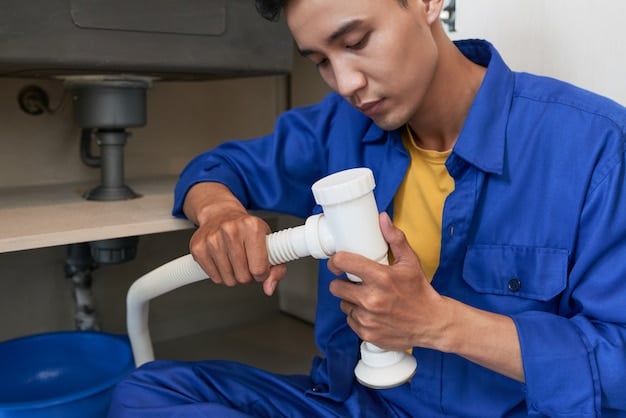
Plumbing can be hard on the body, but the physical demands depend on the work setting. Residential service, new construction, commercial maintenance, and industrial piping involve different amounts of lifting, kneeling, ladders, tight spaces, travel, weather, and emergency work. The useful question is what a specific employer asks people to do repeatedly.
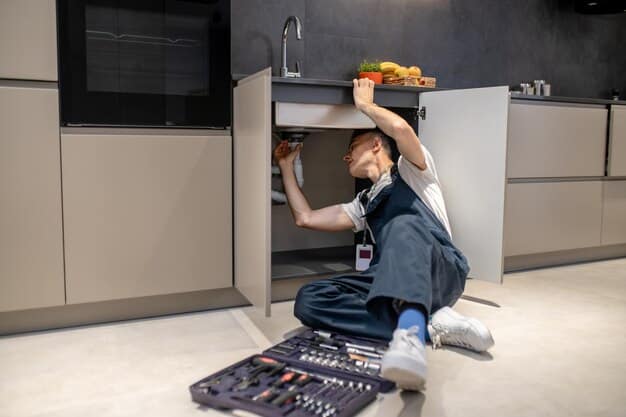
The better question is not simply whether plumbing is physical. It is which tasks appear most often in the job you are considering, and whether the employer has safe ways to do them.
Ask about the repeated task, not the best day: One plumbing employer may use carts, lifts, and team carries for heavy material. Another may send workers into crawlspaces, attics, or emergency calls. The tools and work methods available can change how sustainable the same trade feels.
What makes plumbing physically demanding
| Task or condition | How often it may appear | Question to ask |
|---|---|---|
| Kneeling, crouching, or reaching | Common in repairs and installations | How much of a normal shift is spent close to the floor? |
| Lifting pipe, fixtures, or tools | Depends on material and crew size | Which loads are team lifts or mechanically moved? |
| Tight or awkward spaces | Common in some residential and retrofit work | Can I see the typical crawlspace, attic, or mechanical room? |
| Ladders and uneven jobsites | More common in construction and service calls | What access equipment and site preparation are provided? |
| Heat, cold, water, and outdoor work | Depends on the site and season | How are weather and heat exposures managed? |
| Driving and emergency calls | Common in service roles | How much travel and on-call work is expected? |
BLS also notes risks such as cuts, burns, and falls. Those are work hazards, not a reason to diagnose yourself from an article. They are a reason to ask direct questions about training, protective equipment, supervision, and reporting procedures.
Service, construction, and maintenance are different
Residential service can mean repeated kneeling, reaching under sinks, carrying equipment to customers’ homes, and moving between calls. It may also involve customer communication and emergency work. The variety can be appealing, but the schedule may be less predictable.
New construction often involves larger crews, material handling, ladders, unfinished floors, weather, and a jobsite that changes as the building takes shape. Commercial maintenance may place you in mechanical rooms, schools, hospitals, factories, or office buildings. Some jobs are physically awkward, while others rely more on troubleshooting and planned maintenance.
Ask to shadow the exact type of crew you might join. A short visit can reveal more than a generic description of "plumbing." Notice how workers move material, enter tight spaces, use ladders, and handle tasks that require two people.
Ways workers reduce avoidable strain
Good work practices can lower unnecessary strain, though they do not remove the physical demands of the trade. Workers may use carts, hoists, pipe stands, extension tools, team lifts, kneeling protection, and better jobsite organization when those options are available. A crew that plans material movement is easier to learn from than one that treats every heavy lift as a test of toughness.
Training matters too. Ask how new workers learn to handle pipe, use power tools, work from ladders, and recognize hazards. Find out whether breaks, heat procedures, and protective equipment are explained during orientation. The details vary by employer and site, so listen for specific answers rather than general claims about safety.
Your own role also changes the load. Service, estimating, inspection, supervision, design, project coordination, and teaching can all use plumbing knowledge while involving different amounts of field work. Those are not automatic promotions, but they are possible directions to discuss with an employer or experienced plumber.
Questions to ask during an interview or job shadow
- What does a normal first-year day look like?
- How much of the work involves crawlspaces, attics, ladders, or outdoor sites?
- Which materials are commonly moved by one person, and which require help or equipment?
- How often are emergency calls, night work, or weekend shifts assigned?
- What safety training happens before a new worker enters a jobsite?
- Are tools, carts, lifting equipment, and protective gear supplied?
- How are injuries, near misses, and unsafe conditions reported?
- What work can an experienced plumber move toward if constant field service is no longer a good fit?
These questions also help separate a genuine job description from a vague promise. A company should be able to explain the work without making you feel embarrassed for asking how it is done safely.
What changes after 40?
Starting later can make recovery time, sleep, and family schedules more important. It can also make your previous experience useful. Maintenance, facilities, customer service, troubleshooting, logistics, estimating, and supervision may help you contribute while you build plumbing-specific skills.
Do not decide from age alone. Spend time around the work, ask what the first year involves, and compare the physical demands with the schedule and pay. If you have a personal injury, condition, or concern about whether a job is safe for you, ask a qualified medical professional. An article cannot assess your health or clear you for a task.
If the field load is a poor fit, nearby trades may offer different mixes of movement, tools, travel, and customer contact. Electrical, controls, inspection, facilities maintenance, estimating, and technical support are not identical substitutes, so compare their actual training and working conditions. Our guide to becoming a plumber explains the entry routes, and the plumber salary guide covers the pay and schedule tradeoffs. For a related paid-training route, see Electrician Apprenticeships: Pay, Requirements and How to Apply.
A sensible way to test the physical fit
Do not try to answer the physical question from a single job video or one person’s story. Ask a plumber or employer which tasks repeat most often for beginners, then spend time observing a real service call, rough-in crew, or maintenance team if you can. The pace, access, lifting, and weather can change more than the title suggests.
A job shadow is also a chance to see the controls that make work safer: material handling, kneepads, ladders, tool choice, team lifts, and a supervisor who allows time to set up properly. Compare the work with HVAC physical demands before choosing a route based only on earnings.
- U.S. Bureau of Labor Statistics: Plumbers, Pipefitters, and Steamfitters, checked August 30, 2026.
Working conditions vary by employer and jobsite. Use the interview, job shadow, and relevant safety guidance to evaluate a specific role, and seek personal medical advice when needed.
Reviewed September 3, 2026: Physical demand changes with service calls, new construction, maintenance, crawl spaces, and job-site conditions. Talk with workers about the tasks you would actually perform, then compare plumbing with HVAC physical demands.