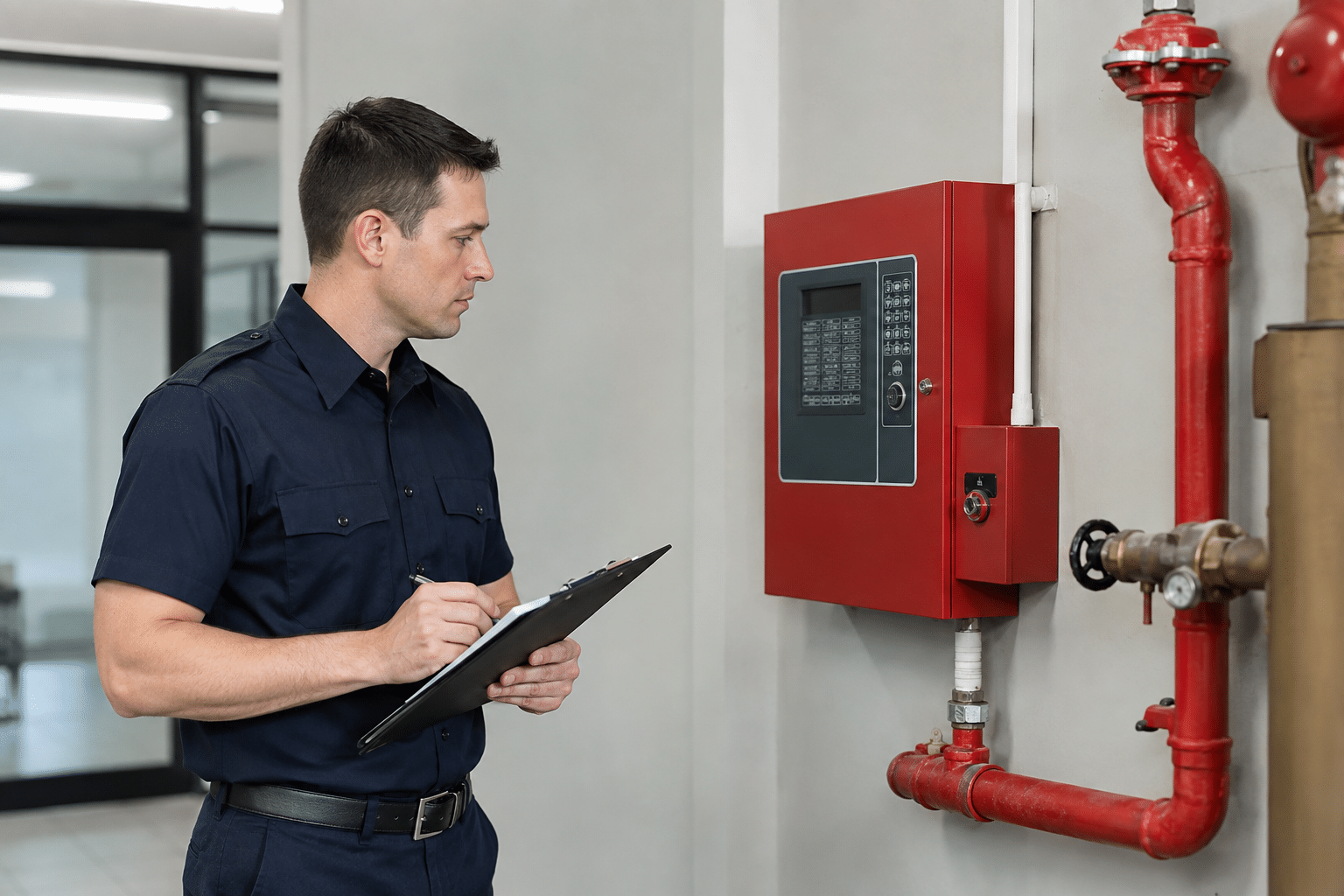
A fire inspector visits buildings and sites to check fire protection features, identify hazards, and document whether required conditions are being met. The work can include inspections, plan or permit review, code discussions, reports, and follow-up with owners or contractors. It is public-facing work that requires judgment, local knowledge, and the confidence to explain a correction clearly.
What does a fire inspector do?
Daily work depends on the employer and local authority, but common assignments include:
- Inspecting buildings for blocked exits, unsafe storage, damaged fire doors, and other hazards.
- Reviewing building plans and proposed changes for fire-code concerns.
- Checking fire alarms, sprinkler systems, extinguishers, emergency lighting, and evacuation plans.
- Writing inspection reports, identifying corrections, and returning for follow-up visits.
- Explaining violations to owners, managers, contractors, and residents.
- Investigating the origin and cause of a fire when the role includes fire investigation.
The paperwork matters. A good report should tell a property owner what was observed, which rule applies, what needs to change, and when the issue will be checked again. Inspectors may also teach fire-prevention programs or work with firefighters, building officials, police, and insurance professionals.
Fire inspector vs. fire investigator
The titles overlap in some departments, but the work is different. Inspectors focus on prevention and compliance. Investigators examine a fire scene, document evidence, interview witnesses, and help determine how a fire started. Some local departments combine both jobs, while others keep them separate.
The Bureau of Labor Statistics groups fire inspectors and investigators in one profile, so national pay and outlook figures should be read as a benchmark rather than a promise for every inspector position.
How to become a fire inspector
Many employers look for a high school diploma plus experience as a firefighter or in a related occupation. The BLS also notes that some employers prefer postsecondary study in fire science, criminal justice, emergency services, or a related field.
After hiring, training often combines technical instruction with supervised field work. You may study fire codes, inspection methods, report writing, hazardous materials, evidence handling, and courtroom procedures. Certification and licensing rules vary by state and locality, so the local fire department or licensing agency is the authority to check before paying for a course.
For a career changer, the realistic question is not only whether a short certificate exists. Ask how the department fills entry-level inspection roles, whether firefighter experience is expected, and whether your previous work in construction, property management, safety, code compliance, or law enforcement can count as related experience.
Pay and job outlook
BLS reported a median annual wage of $75,920 for fire inspectors and investigators in May 2025. The broader profile showed about 14,700 jobs in 2025 and projected 6% growth from 2025 to 2035. Those numbers include investigators and do not describe every local pay scale.
| Question | Practical answer |
|---|---|
| Typical entry credential | Often high school plus related experience |
| Training after hire | Technical instruction and supervised field training |
| Certification | Varies by state, locality, and employer |
| 2025 BLS median for inspectors and investigators | $75,920 per year |
| Physical setting | Office work, building visits, and sometimes fire scenes |
What the work is really like
Inspection work can suit someone who likes rules, evidence, and direct conversations. You need to notice small details and explain an issue without turning every visit into a confrontation. The schedule is usually more regular than firefighting, but some roles include evenings, weekends, emergency callouts, or time at damaged sites.
There are physical demands too. Inspectors may climb stairs, walk unfinished buildings, work outdoors, or enter areas with smoke, fumes, debris, or poor ventilation. Protective equipment can make a long inspection tiring. A desk-based code-review role will feel very different from a combined inspection and investigation position.
Could fire inspection fit after 40?
It can be a good second-career direction if you bring field judgment, calm communication, documentation habits, or experience reading plans and procedures. The main obstacle may be the hiring route. Some departments want firefighter experience, and local rules can be strict.
Before enrolling, contact two or three fire departments or inspection offices. Ask about entry requirements, accepted experience, certification, background checks, driving requirements, and the difference between an inspector position and an investigator position. That conversation is more useful than choosing a program from a generic online advertisement.
What good inspection judgment looks like
Fire inspection is not simply walking through a building with a checklist. The checklist matters, but the job also requires a calm way of handling incomplete information. A door may be blocked, a record may be missing, or a system may look intact while a change in use creates a new concern. The inspector has to document what was observed, identify the applicable requirement, and explain the next step without turning every conversation into an argument.
That communication piece is easy to underestimate. You may speak with building owners, contractors, facility staff, fire department personnel, and people who are worried about a finding. Clear notes protect everyone. They also make follow-up easier when someone else returns to the site months later.
Before pursuing the role, find out how entry works in the jurisdiction that interests you. Some paths begin with fire service experience or a local agency. Others may hire trainees with construction, code, safety, or facilities backgrounds. Certification can matter, but a credential does not automatically authorize inspection work everywhere. The authority having jurisdiction decides what it requires.
This can be a strong second-career option for someone who likes evidence, written standards, and respectful problem solving. It may be a poor fit if you want a job with little public interaction or little responsibility for difficult conversations. Compare it with a building inspector role and an occupational safety technician role before deciding which kind of inspection work suits you.
Spend time reading local agency postings as well as private-sector listings. They can reveal whether the work includes inspections, plan review, public education, complaint response, or a mix that changes the career fit.
Sources
- U.S. Bureau of Labor Statistics: Fire Inspectors
- U.S. Bureau of Labor Statistics: Construction and Building Inspectors
- National Fire Protection Association research and education
Related reading: Building Inspector, Occupational Safety Technician, and Fire Sprinkler Installer.
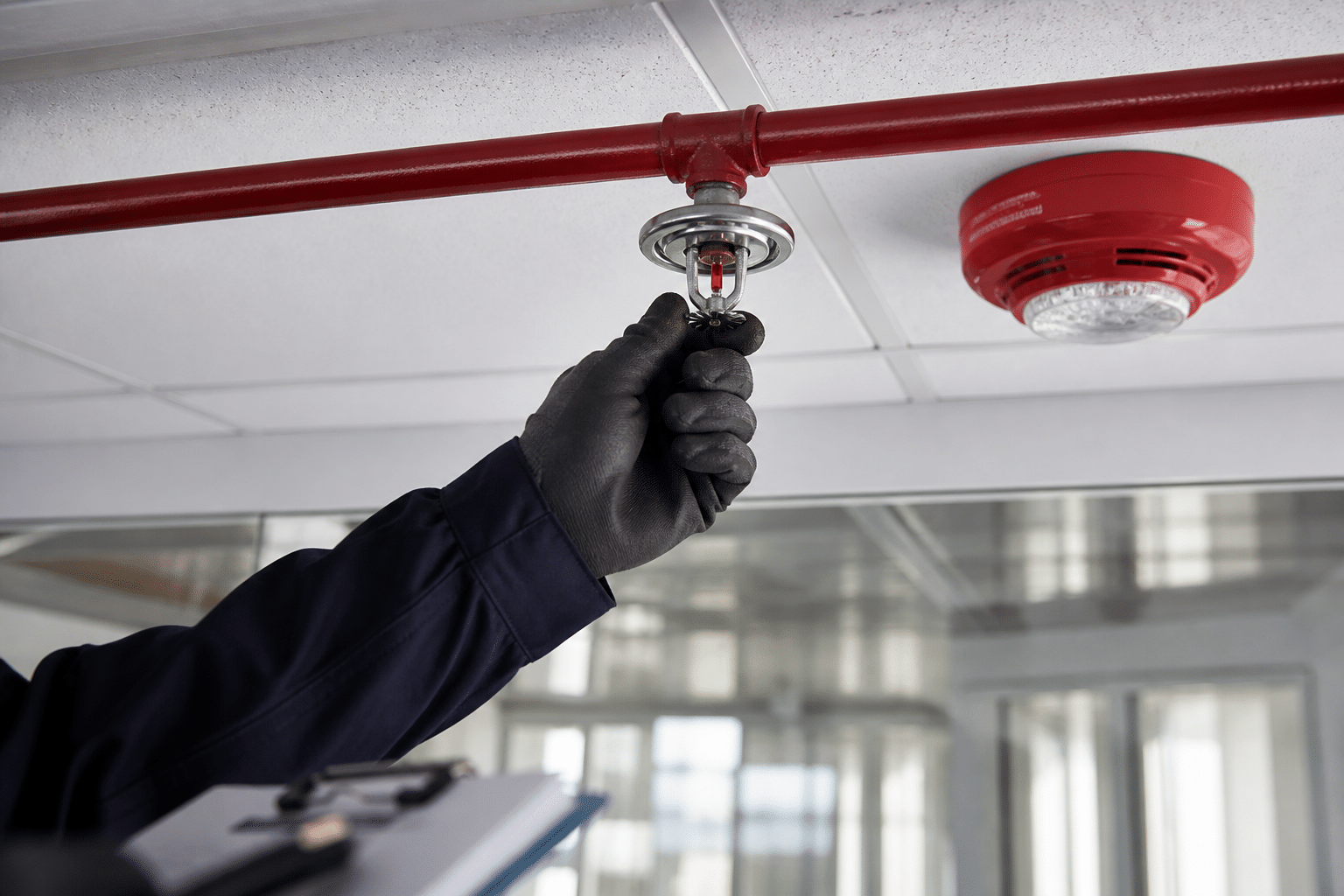
A routine inspection can uncover a change in risk: A blocked exit, altered room layout, disabled alarm, stored material near a sprinkler, or expired extinguisher may change how a building should be protected. The inspector records what was observed, identifies the applicable requirement, and confirms who is responsible for correction.